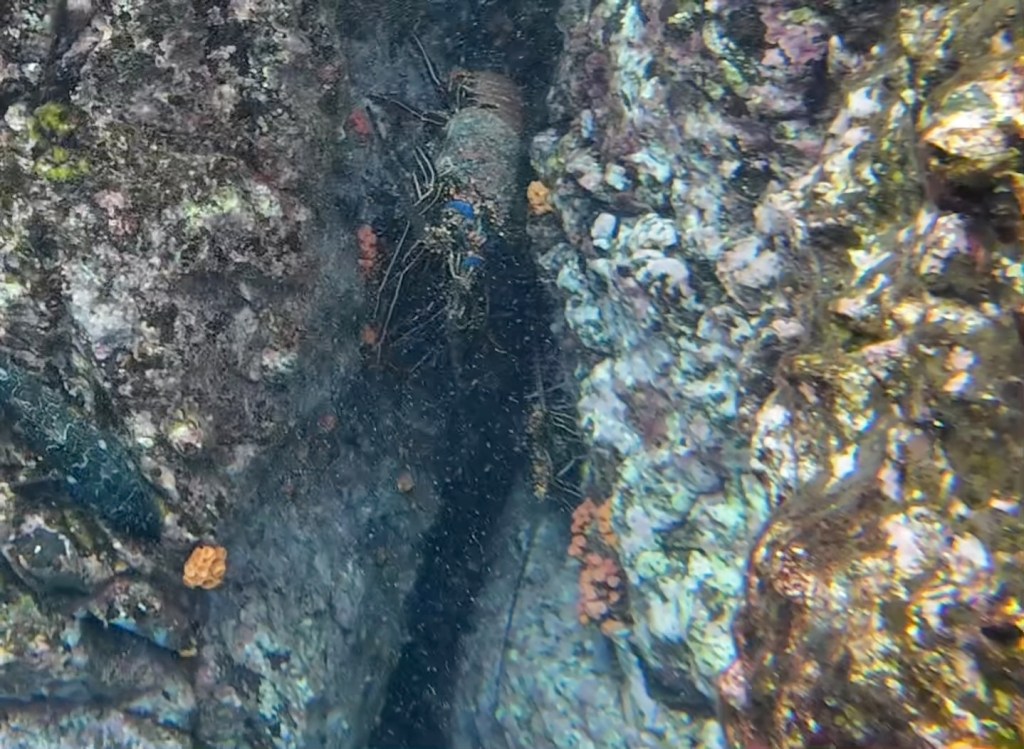
Tourquise water, white-sugar-sandy beach and perfect clarity for snorkeling began our day on Wednesday. Who could ask for more? After a wonderful walk on the beach we swam and then headed out on the zodiac from the beach for a perfect snorkel where we saw young sharks, lots of turtles, huge lobsters, schools of tropical fish and caves. We relaxed the rest of the day which leads me to yesterday and the Great Mosquito Hike.
Super El Niño affects the Galápagos Islands in many ways. Some animals thrive, some don’t. We have been treated to the amazing experience of unusually warm water for this time of year. But it also leads to a very early and robust wet season. The wet season leads to plush green vegetation, lots of fresh water flooding and, lots and lots of mosquitos.
Yesterday we planned to skip the very challenging “lava” hike and instead go on the newly added “photography” hike. The goal: first photograph the abundant and easily accessible seals, iguanas, and boobies, and then hike across the island to see the Albatross airport”. There were three big problems. Despite the very windy conditions, the wet conditions created clouds of hungry mosquitoes, more than any of us had ever seen before.
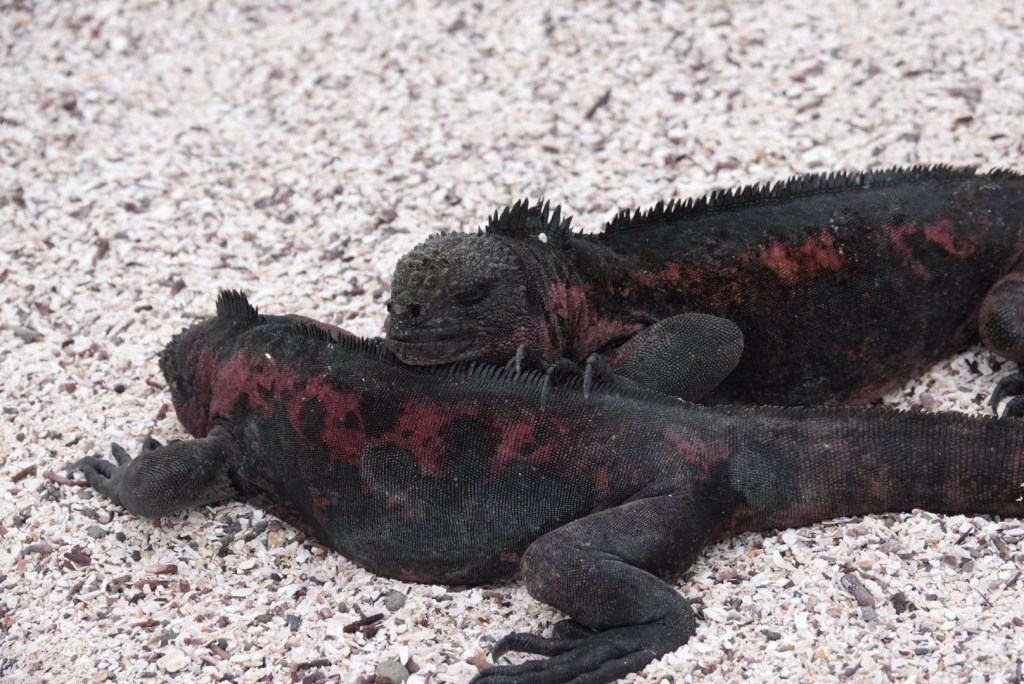
And although the “lava” hike group was the first to encounter them, they didn’t radio a warning back to the ship so no one in the “photography” group were prepared for what we encountered. We could have, but didn’t have, our long pants, socks, mosquito nets or hiking shoes. The wind and large waves created an extremely challenging landing because the usual landing was overrun by the surf, but the amazing crew helped Jim and the rest of us off get off the boat, over the lava shore, and to the beach, which was teaming with barking sea lion pups, marine iguanas in motion, birds of all kinds and mosquitos.
We had just had a great lecture on the Galapagos Sea Lions and how they are “super sucklers” getting milk from their mothers for years after its needed. Sometimes 3 generations will suckle all at once. I photographed exactly that at the beach.
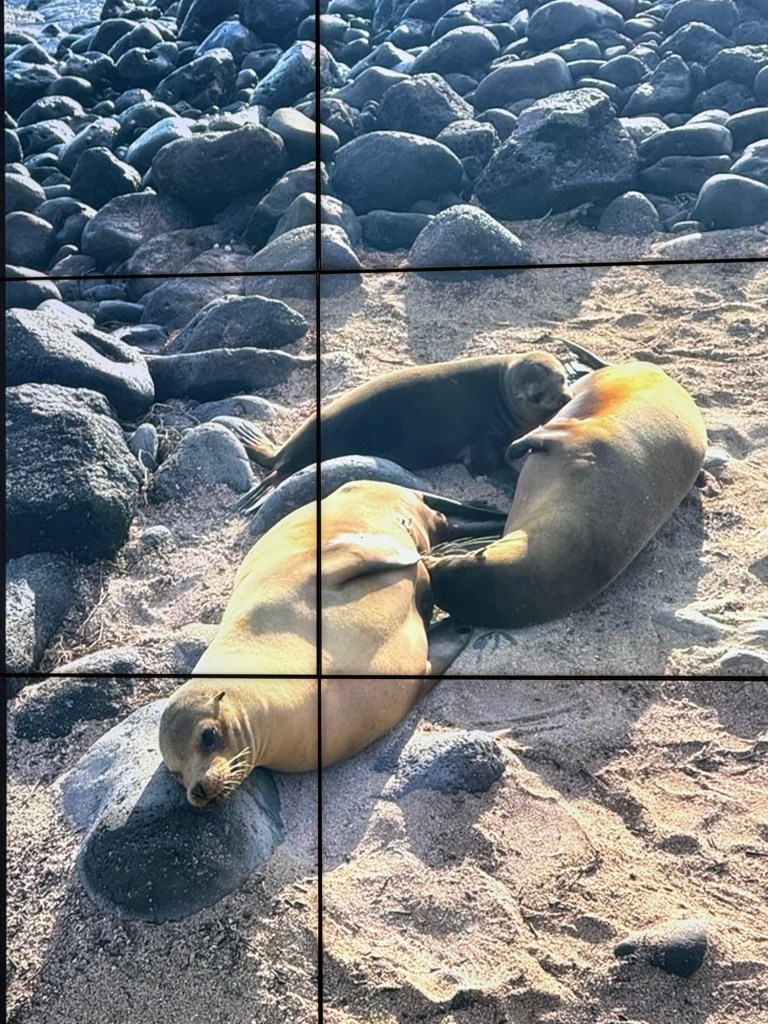
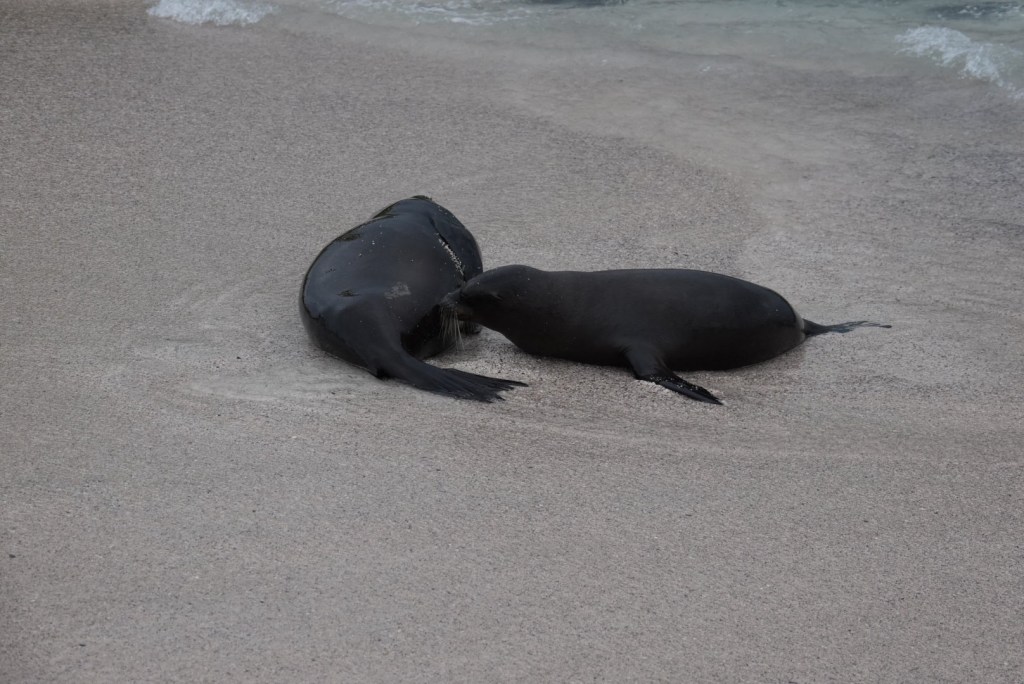
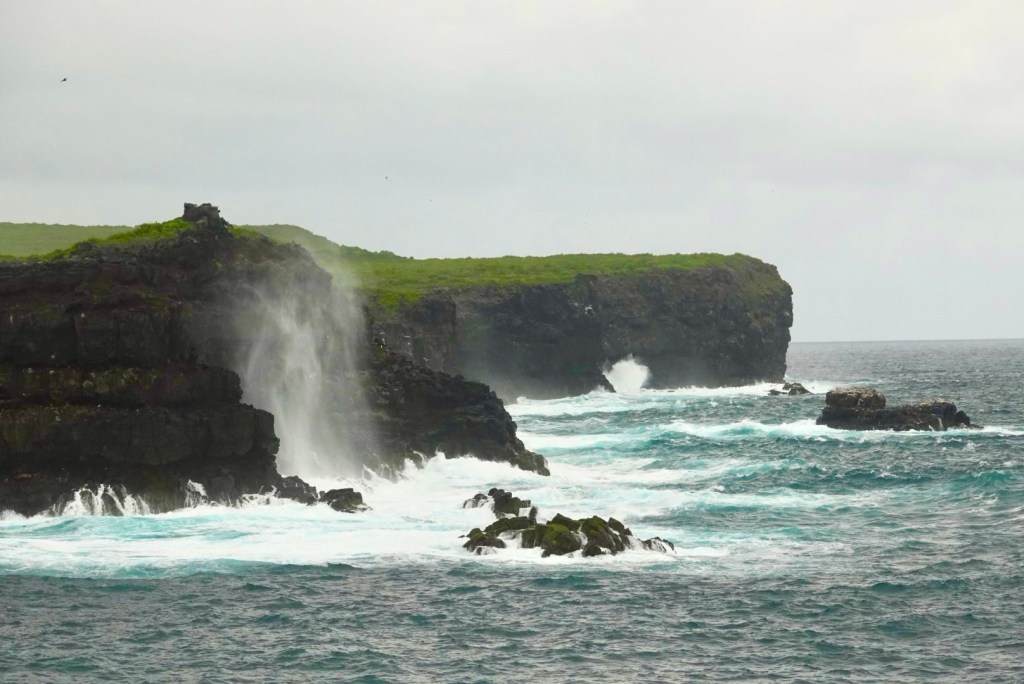
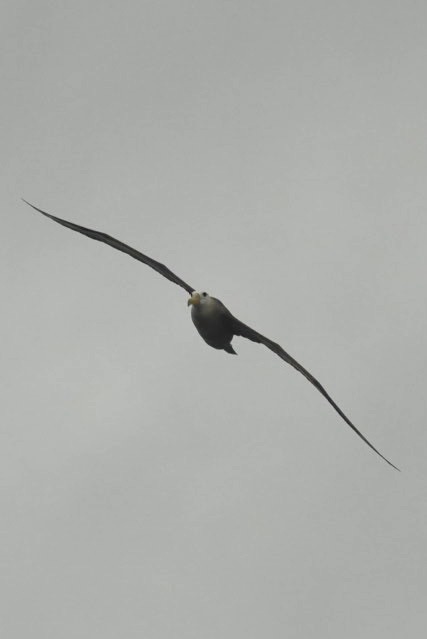
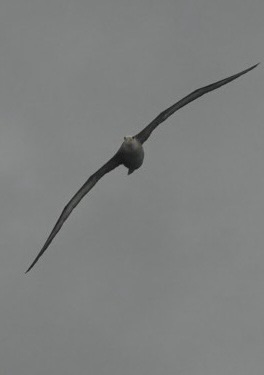
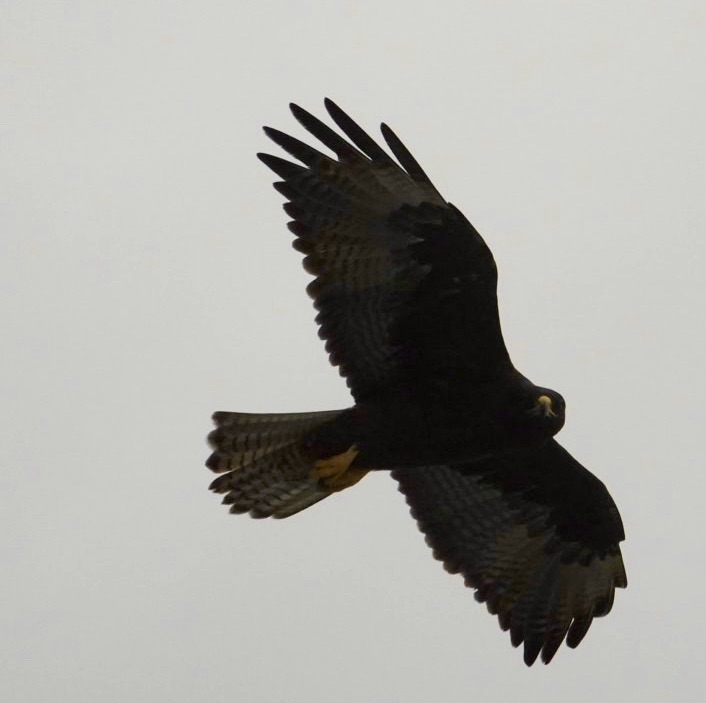
Unfortunately, despite not being prepared properly, the photography group left the beach for a fast hike to try to escape the cloud of mosquitos. It didn’t work. And, when we got to the Albatross Runway there were virtually no albatross. They are clearly being affected by the El Niño and flying to better places with more food to nest and feed. I did photograph one albatross, one hawk, a giant sea lion, blue footed boobies, and a big blow hole before we pressed on back towards through mosquitos towards the beach.
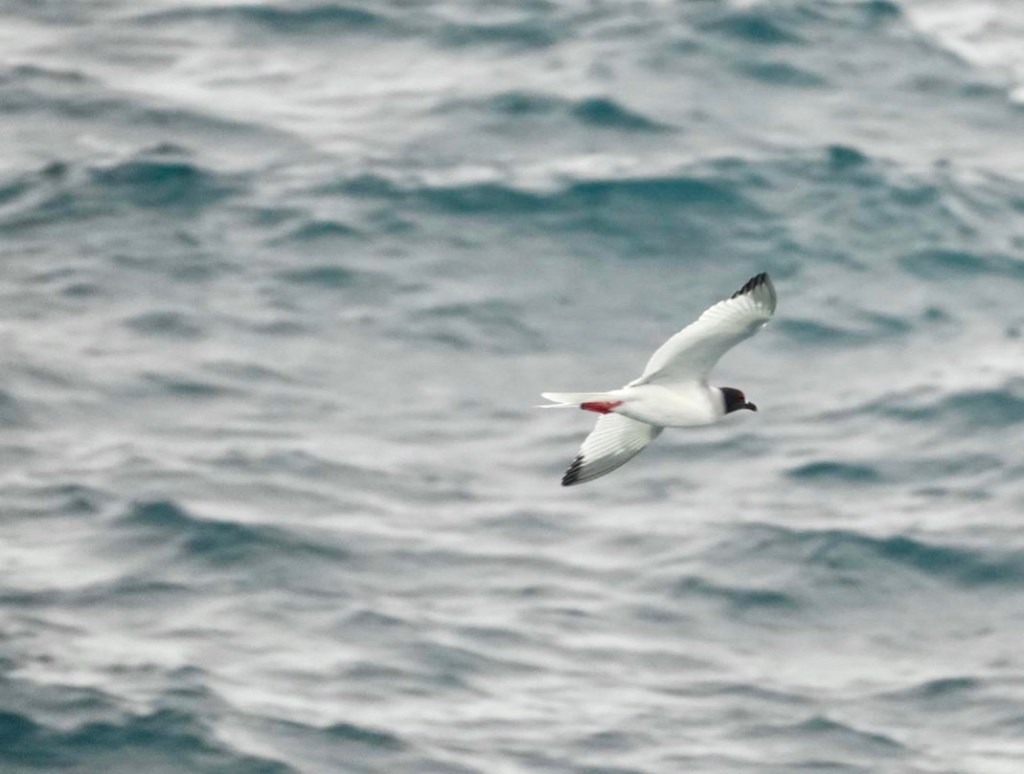
When we finally made it to the zodiacs, Jim had already made the decision (along with everyone else he was with) to abandon all of the animals on mosquito beach and return to the ship.
By the time I got back to the ship I really didn’t want to move, but I had to take a shower.
If we hadn’t already scheduled dinner with Jorge, the trip photographer, I wouldn’t have gotten out of bed. But, we rallied and I’m so glad we did.
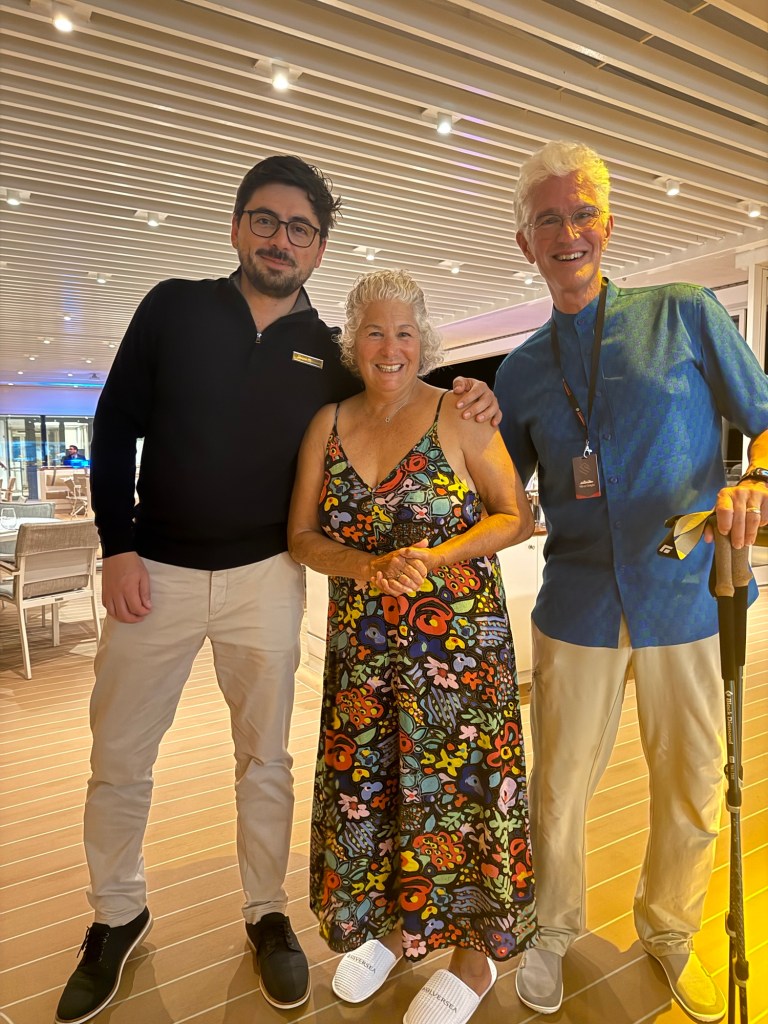
Jorge has worked for Silversea for 12 year. He’s a photographer, videographer, artist and entrepreneur (who has built and opened 6 AirBnB’s) and loves to travel. He helps take care of his family financially after his father died several years ago from cancer and we shared stories about travels, photography and life. The people you meet while traveling really bring the sweetness to life. We hope Jorge visits us when he visits the PNW in 2027.
Today is our last full day on the ship and we are not planning to do much. We’ve skipped the morning activities, but we are still planning to go to the nearby sandy beach and swim there this afternoon. Of course we must pack and organize for the next part of our South American Adventure: Peru and Machu Piccu. Tomorrow will be a long travel day as we make our way from sea level to Quito (9,000’), then to Lima (sea level), where we’ll spend 2 nights before flying to to Cusco (over 11,000 feet), our “base camp” before continuing to Machu Piccu and the Sacred Valley.
What does conservation mean in the Galapagos?
The animals in the Galapagos are experts at adaptation to the currents and weather. Their enemies are the creatures and plants that can use humans to sneak on the island. Humans brought goats and in a very short time they destroyed the grasslands the tortoises eat. The removal of 100,000+ goats from the Galapagos took years and was quite a story. Certain aphids kill plants that other bugs need to thrive so they tested and brought ladybugs to eat them and that worked without harming other parts of the ecosystem. Feral cats and dogs are also devastating to the marine iguanas and other lizards and birds. The rats brought by ships since Darwin devastated the eggs of local animals. Blackberries are a menace everywhere, including the Galapagos, overwhelming other local flora. But the government and the people here are working so hard to keep this place as pure and clean as possible eradicating everything they can that doesn’t belong. And they are working hard to improve the education system.
The Adventure Continues,
Fawn (writer photographer) & Jim (editor)
“Standing in the present, on the highest part of the curve, you can look back and see the past, or forward and see the future”, M. Wylie Blanchet
TrueLoveAdventures.com & CurveOfTimePodcast.com


beautiful adventure for the True Love 💕 Pictures were wonderful to see and that clear, clear water! Can’t wait to see more as you continue on to the other half of your trip! God speed 🩷