We left Udaipur for our early flight to Kochi. Flying within India is different. Security is extremely uneven and doesn’t always make sense. You cannot check ANY electronics or eletrically powered equipment; no cords, shavers, hair blowers, curling irons, ear pods, computers, iPads, travel speakers, anything that can possibly be an electronic item in any way. (Strangely, large water bottles are fine). So all of your electrical or electronic devices, wires and chargers must be in your carry on bags and pulled out for detailed screening when you go through security. Otherwise they will pull your checked bag and throw away any electronics/electrical item (if you are lucky), or just put your checked bag in the holding area for further inspection if you are not lucky. Sometimes they will contact Tina who can sometimes go into the bowels of the airport to rescue the bag. Tina spent a lot of time pre-airport trip reminding us of the rules. Jim and I passed the test every time.
There are different lines for screening men and women. Sometimes the women’s line is a distance from the scanner. But “no problem” it all worked out and we eventually became experts at getting through Indian airport security.
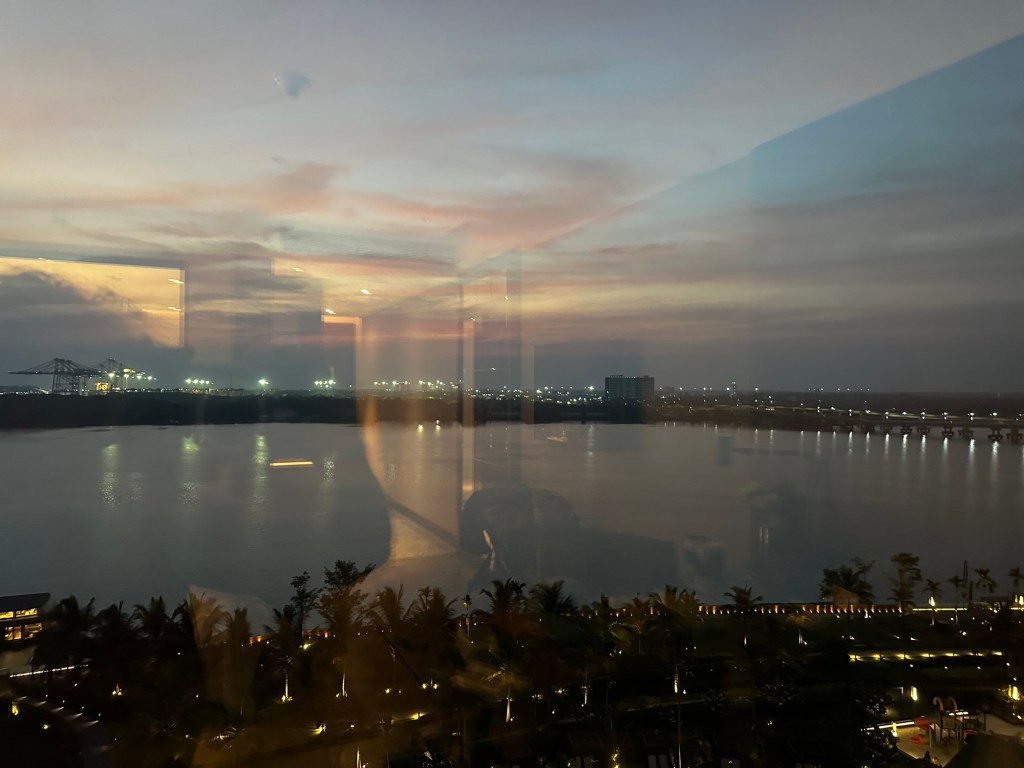
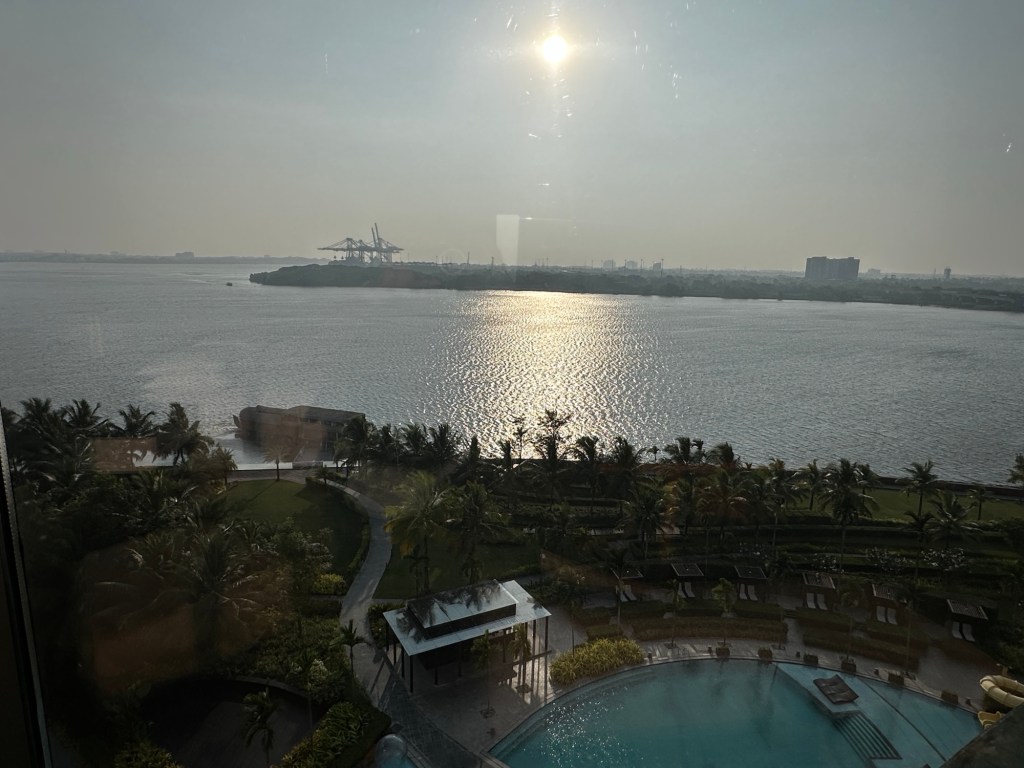
In Kochi we stayed at a Hyatt on the Arabian Sea, with a lovely pool which we used in the evening after our long day, and in the morning for a few laps before our day began.


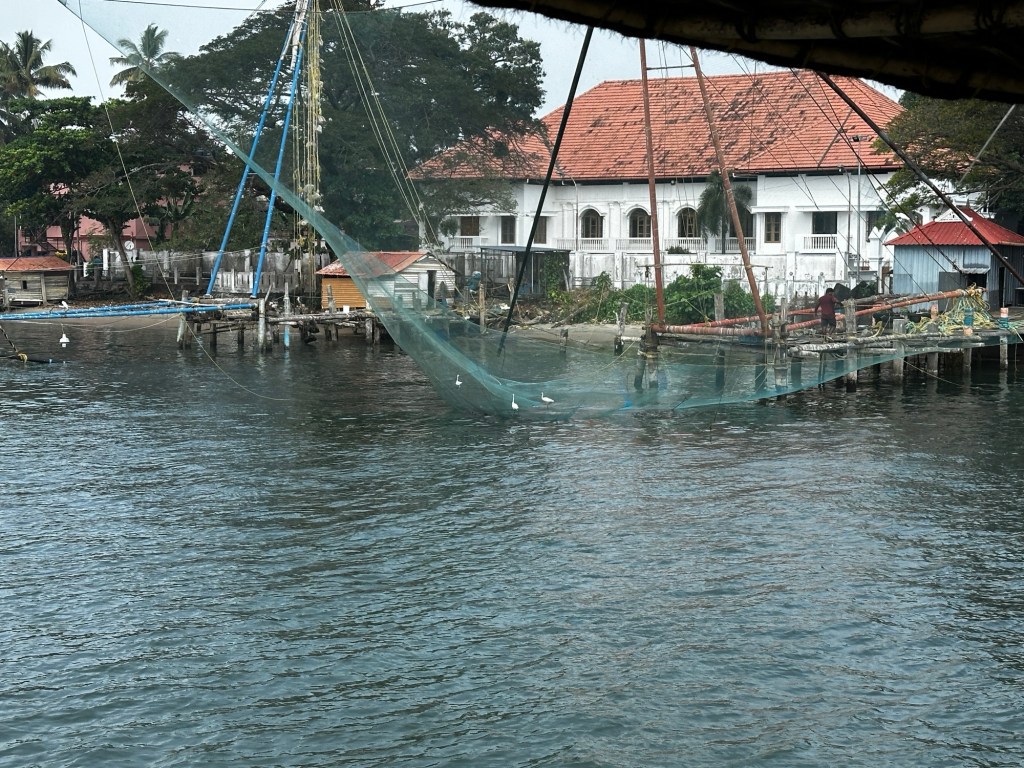
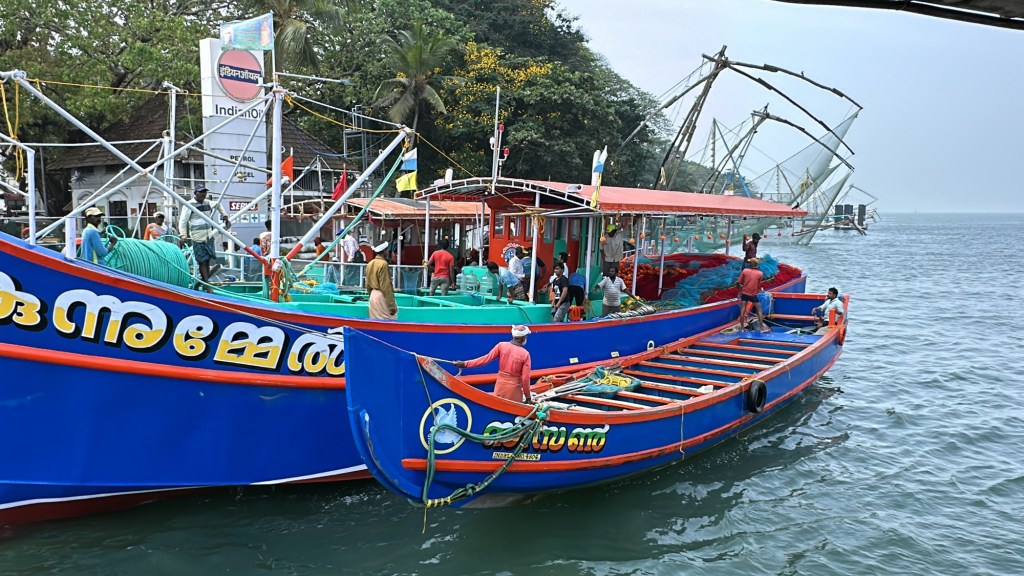
Our second day in Kochi included a boat tour of the bay complete with “Chinese” fishing nets and dolphins. Jim and I always love getting on the water. The south of India has a totally different vibe: it’s cleaner, slower, the roads are more orderly, and the traffic flows smoother. The bus driver’s good luck charms (usually Ganesh statues in the north) are replaced in the south by crosses and pictures of Jesus. Interestingly, the south has an almost 100% literacy rate due to its long history of Catholic education, beginning with the Portuguese in the 1600’s. The area also has a long history of a few large landowners and almost no property ownership for the people who worked the fields and the rice paddies. The Socialist/Communists saw an opportunity from that, supported land reform, and now control the local government in the Indian State of Kerala (of which Kochi is the Capitol). Fun fact: our bus team support person is named Stalin, which is not unusual in this area.


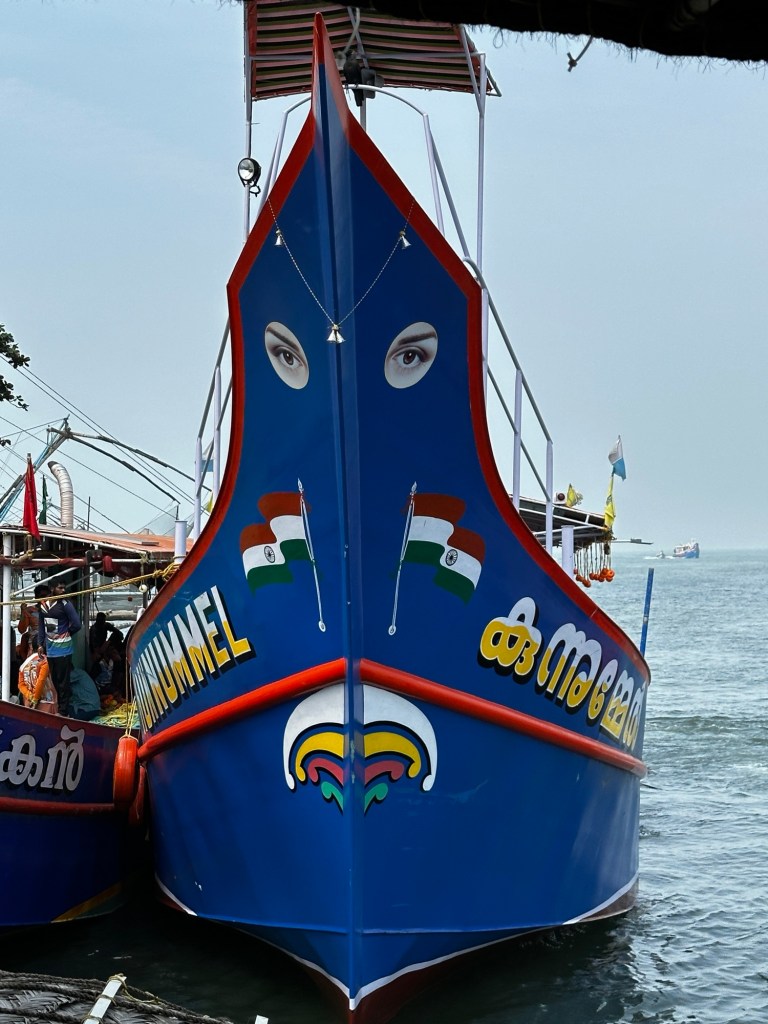
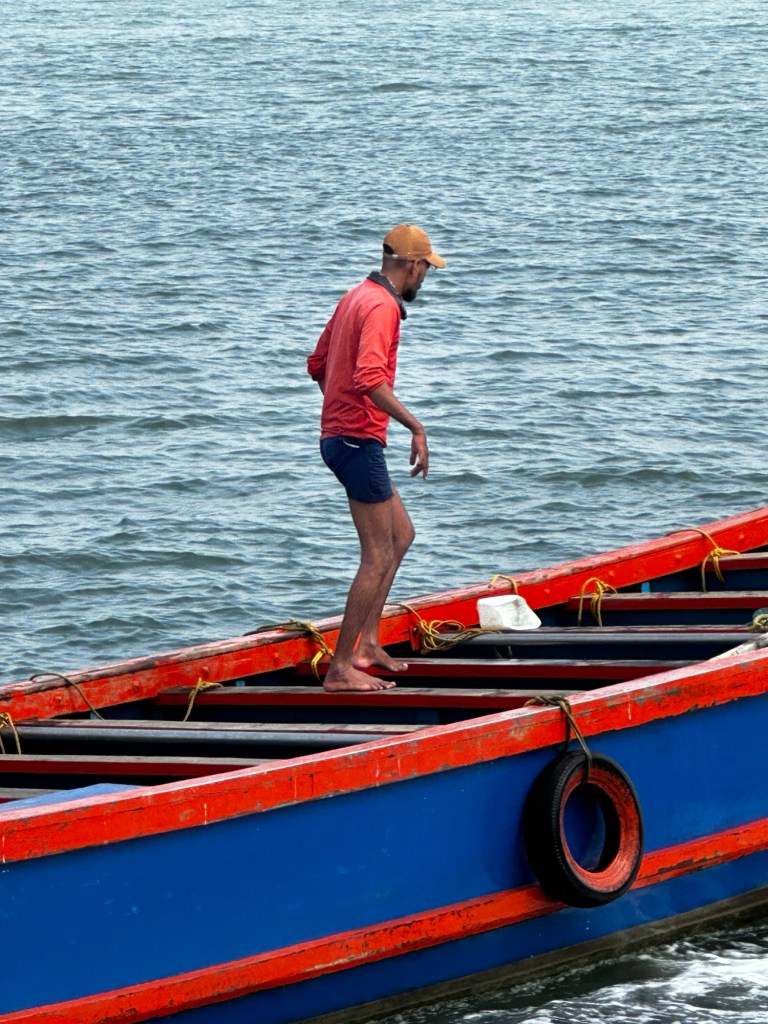
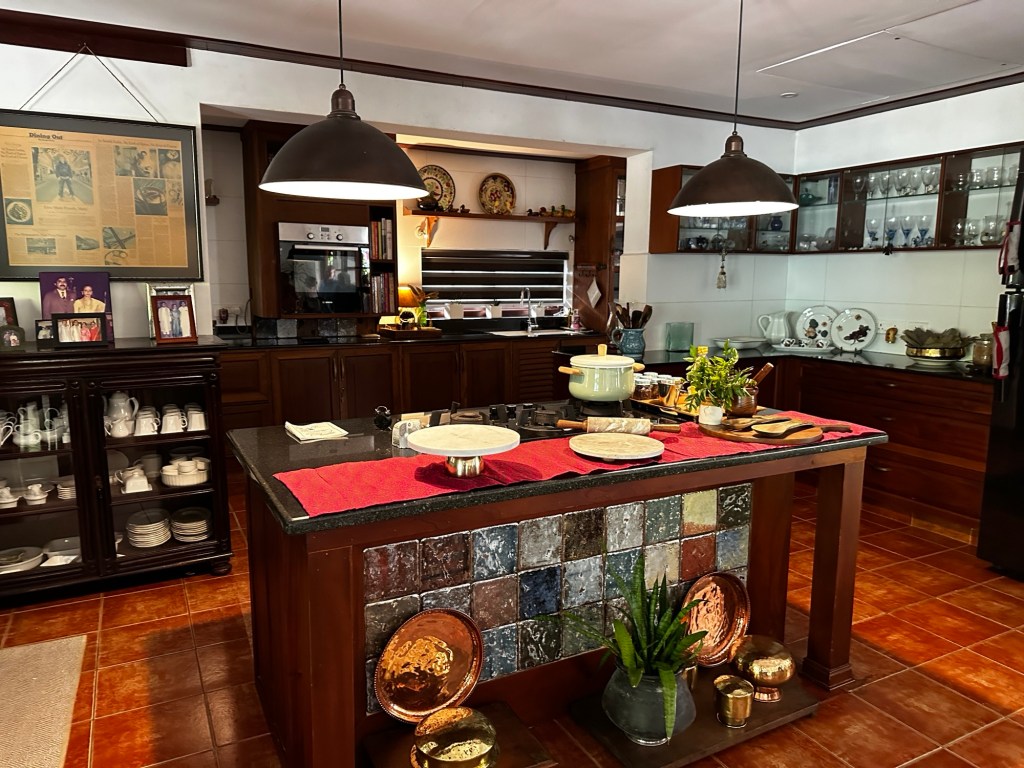
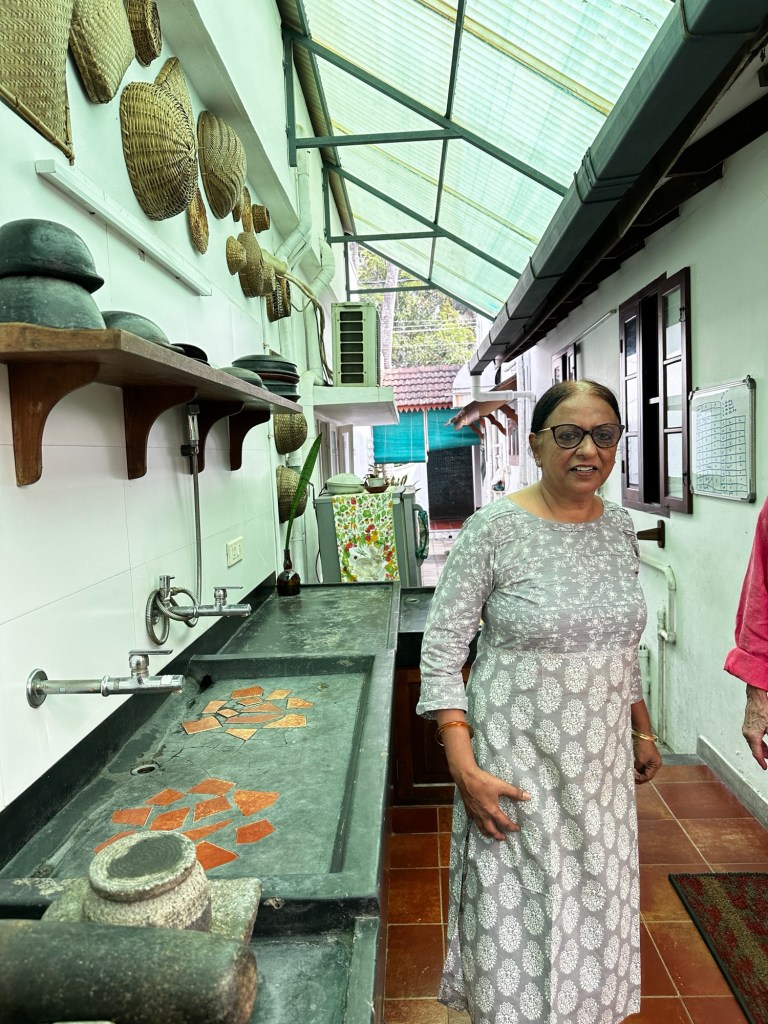
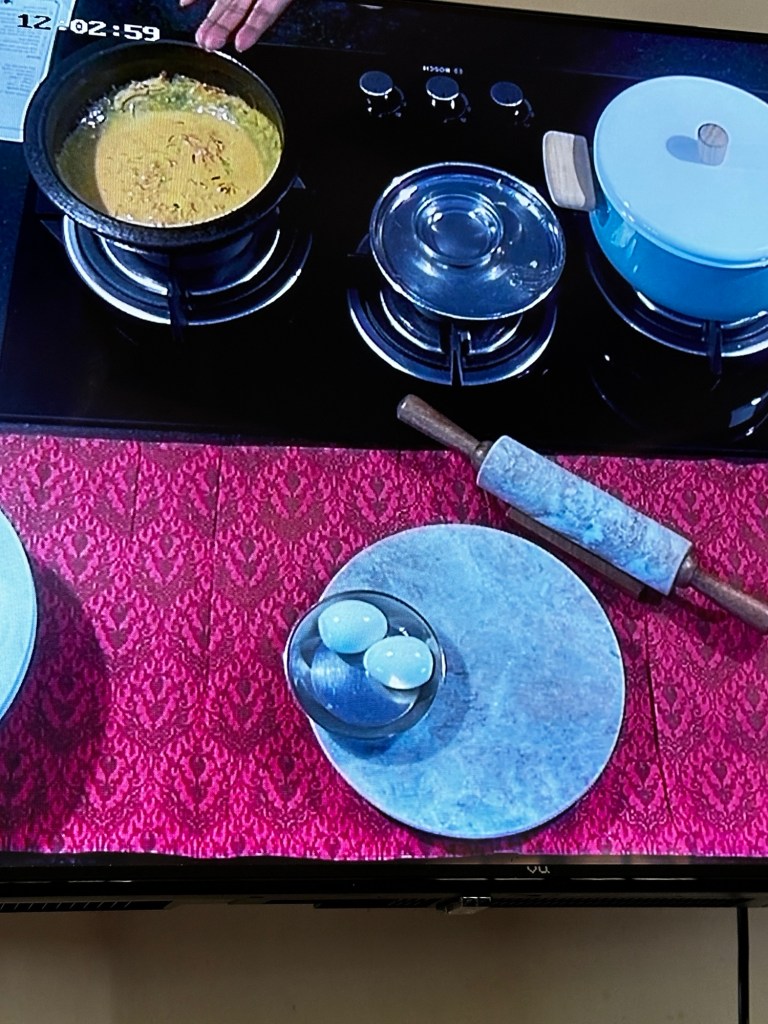

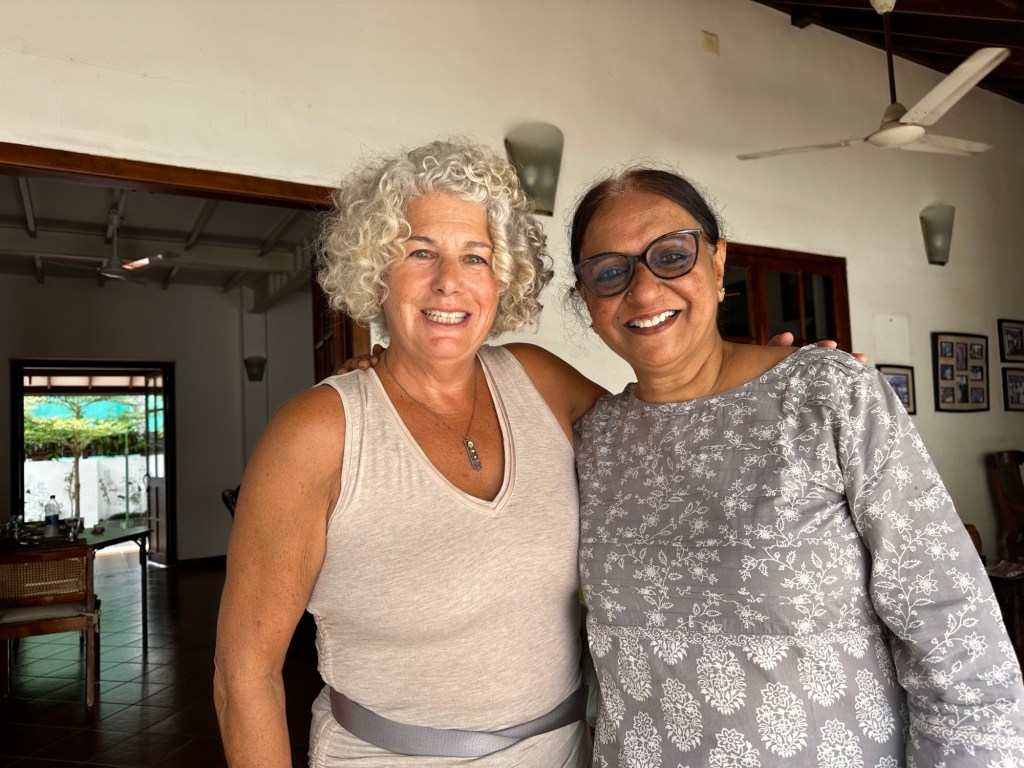


The excellent book “Covenant of Water” begins to come alive for us in Kochi and Kerala. We took a boat from our hotel to the other side of the bay where our bus was waiting for us to take us to Nimmy & Paul’s House. Nimmy is the Indian equivalent of Paula Deen or Julia Childs. She and her husband live in a house set up with a TV kitchen and we were treated to a lesson in Southern Indian cooking and a scrumptious lunch. Everything was delicious, but her Chicken Biryami was the best I’ve ever eaten. I can’t wait to cook it at home using her recipe. She was “discovered” 50 years ago by a NY Times travel writer and now does presentations for Tauck and a few other tour groups.
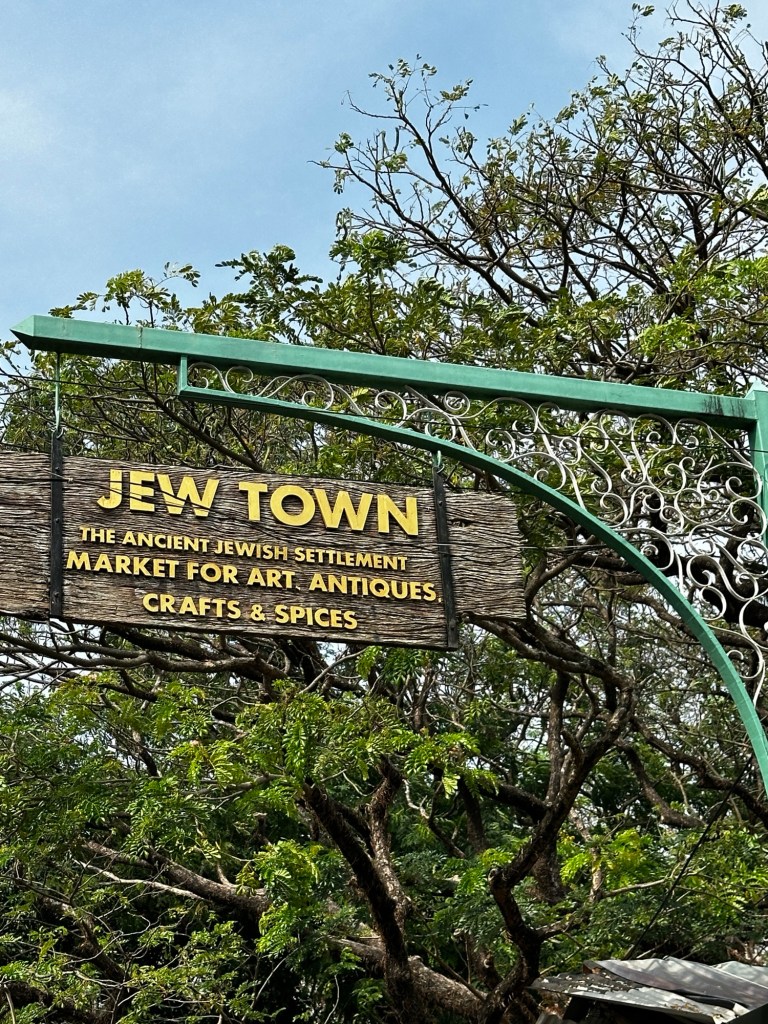
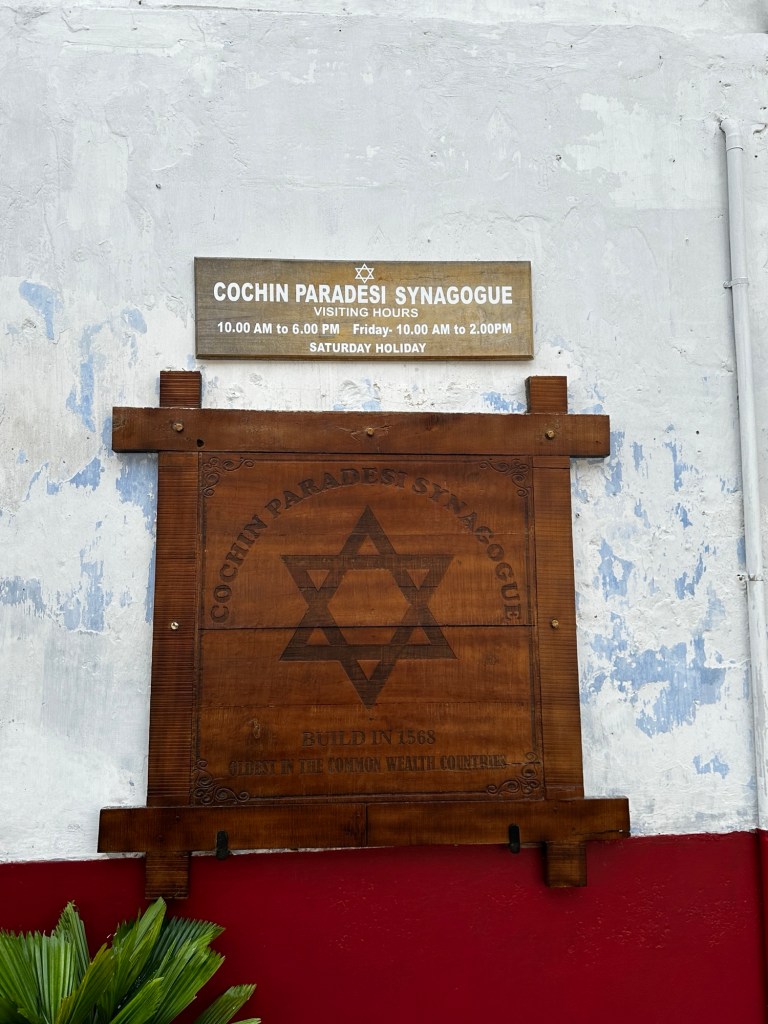
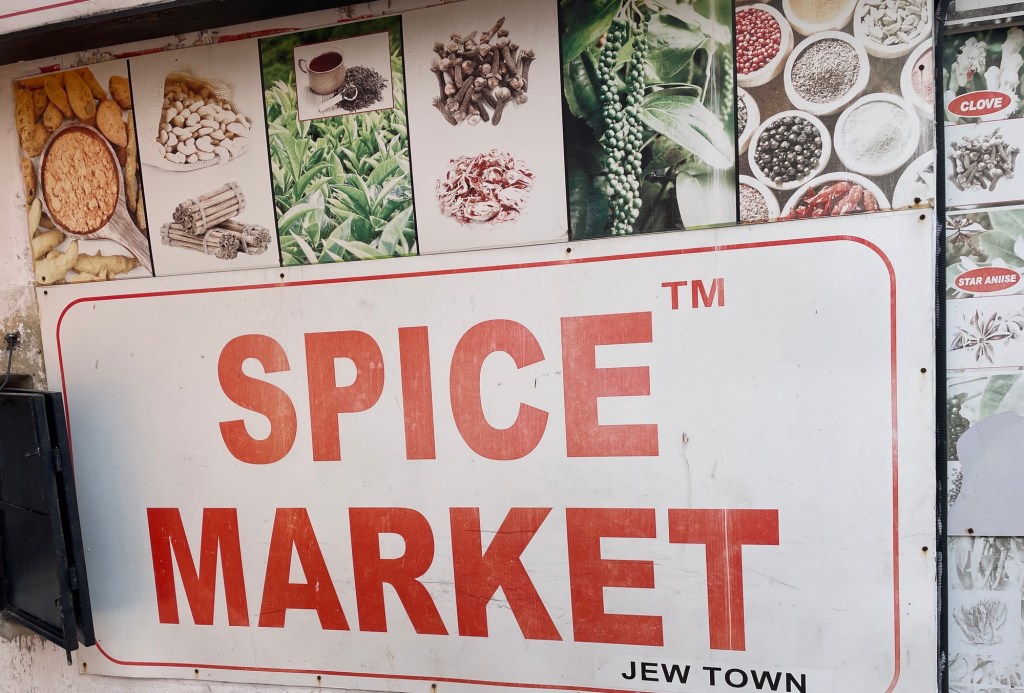
From there we headed to Kochi’s “Jew Town” and a fabulous old Synagogue. Interestingly, there were once a few thousand Jews in Kochi. A few families came as spice traders during Roman times, but most immigrated there after the Spanish Inquisition 500 years ago and lived under the protection of the local Maharaja in harmony with Hindus and Muslims for hundreds of years. Most immigrated to Israel after the State of Israel was created in 1947. Some historians even claim King Solomon visited Kochi to trade for spices 2,500 years ago.
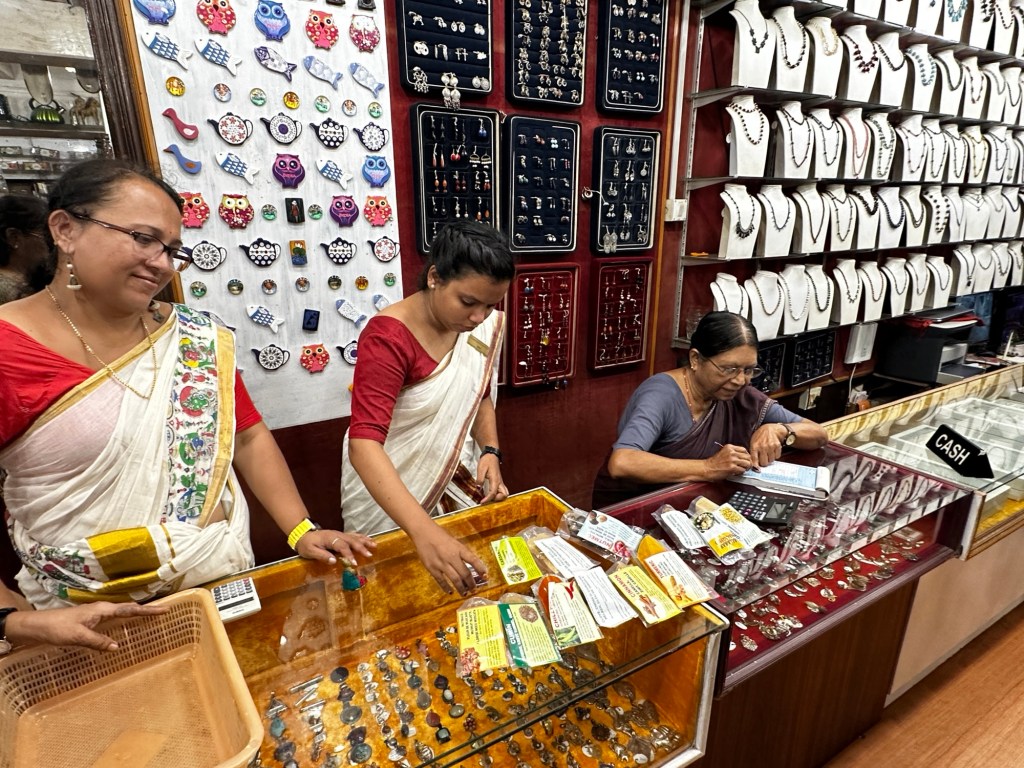
I did my spice shopping there because this area is still where a lot of spices are grown.

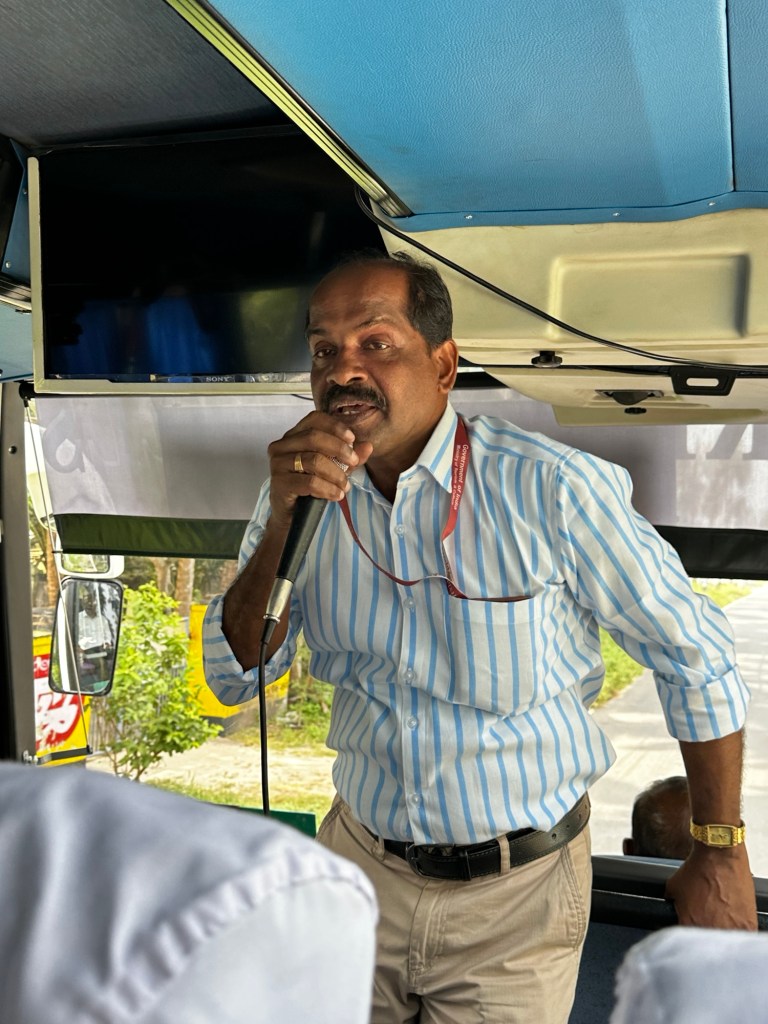
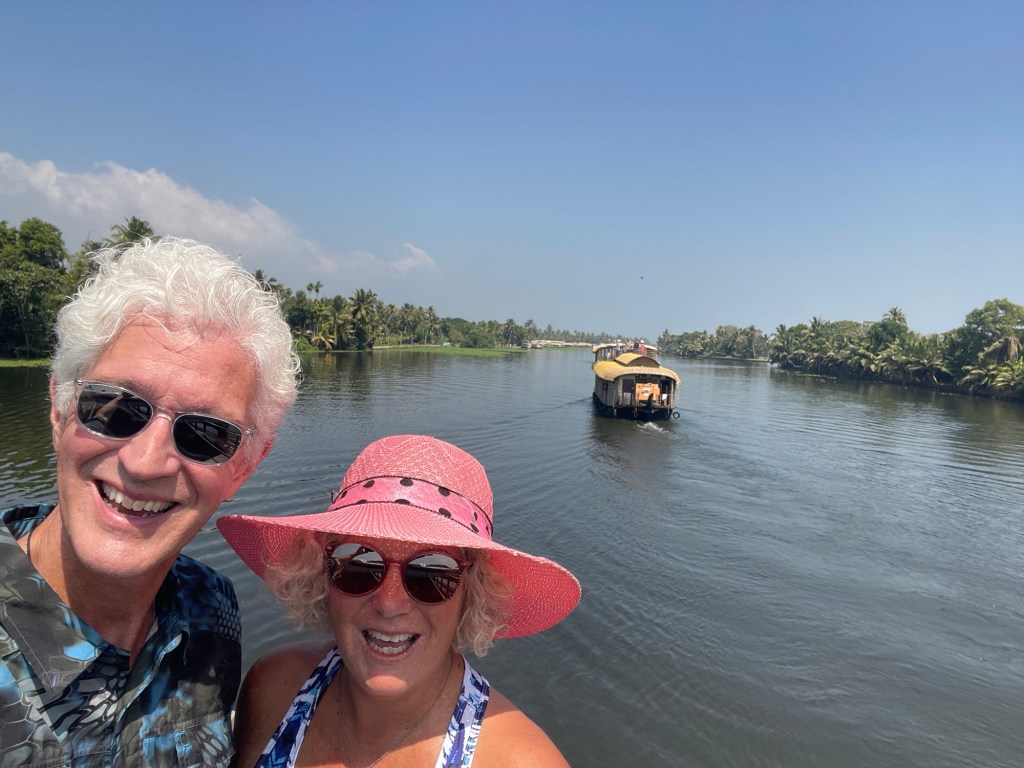
We left Kochi the next morning to head to the Kerala Backwaters. The Kerala Backwaters are a chain of brackish lagoons, canals and lakes south east of Kochi. We began with a 2 hour bus drive and then boarded a large kettuvallam house boat to journey to the Kumarakom Lake Resort. The house boat journey felt like something out of the old Bogart movie “The African Queen”. We slowly navigated the river to a giant lake, enjoyed a yummy lunch onboard, and then docked at the resort. Along the way we saw rice paddies, hawks that looked like bald eagles and lot of other birds of all kinds. These waters are home to many species. Many of the house boats are quite fancy to accommodate tourists, complete with nice bathrooms and bedrooms.
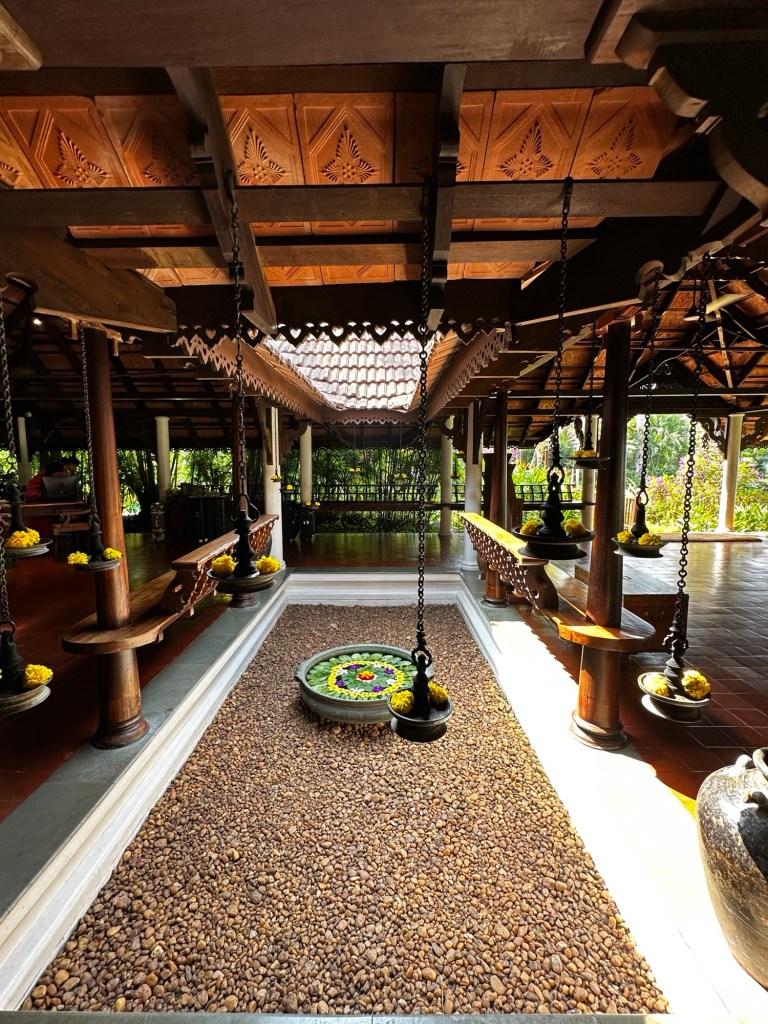
Kumarakom Lake Resort’s lovely grounds include views of the lake and a meandering “canal” swimming pool that twists and turns and allows you to swim to almost any other room. We took advantage of the “Ayurvedic” spa treatments and massages at the resort. The Rejuvenation Massage included lots of oil and two masseuses. The second day I did the Pathrapotala Swedam which is supposed to be good for arthritis. Here’s the description: leaves or powders of medicated herbs are fried in medicated oils bundled in a Muslim cloth, and then applied over the body in a rhythmic manner. The “rhythmic manner” (performed by two women) was part cupping, rug beating, and hot stones. But it only started after an “all over” Ayurvedic oil massage. What can I say, I felt great after.
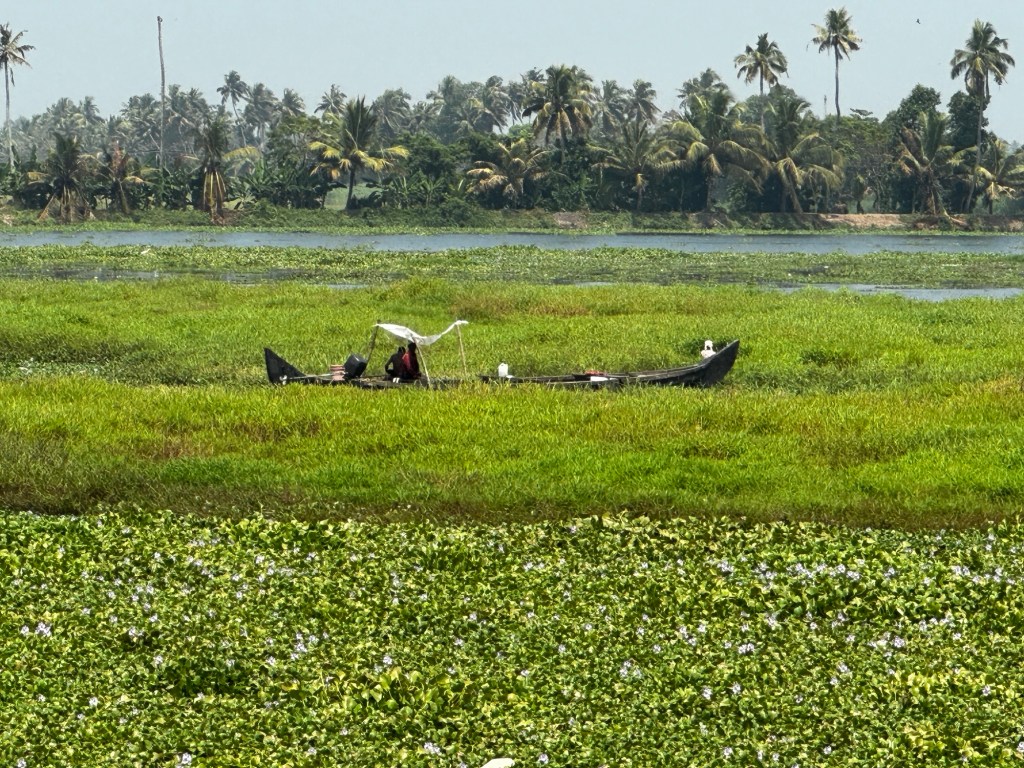


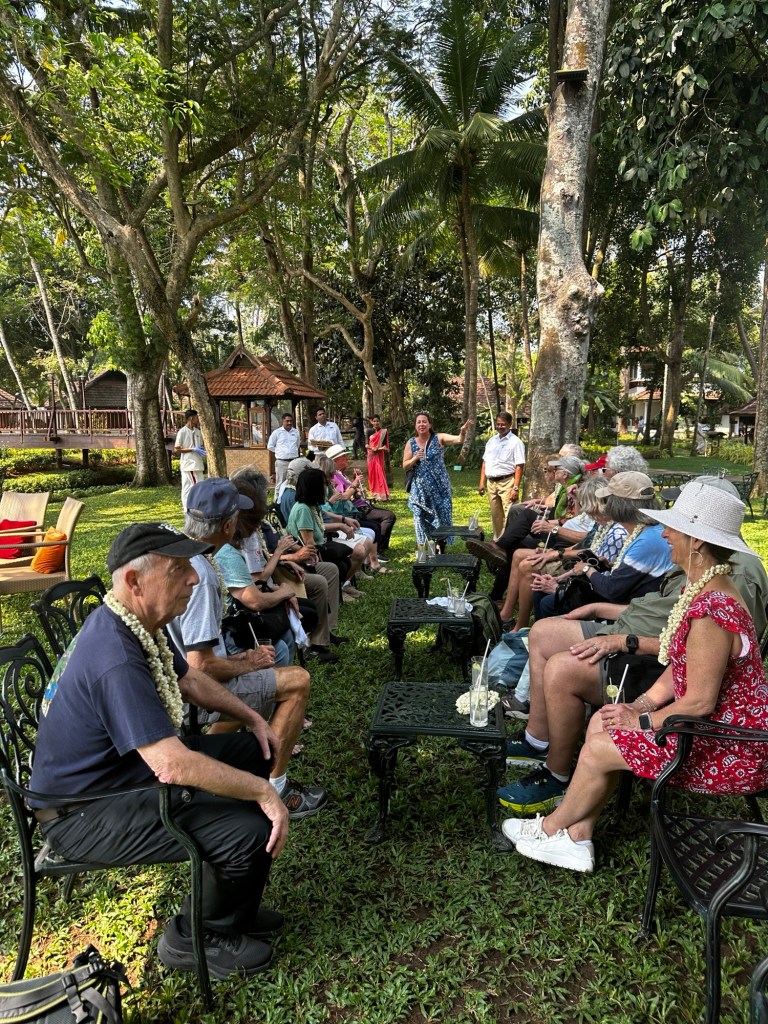


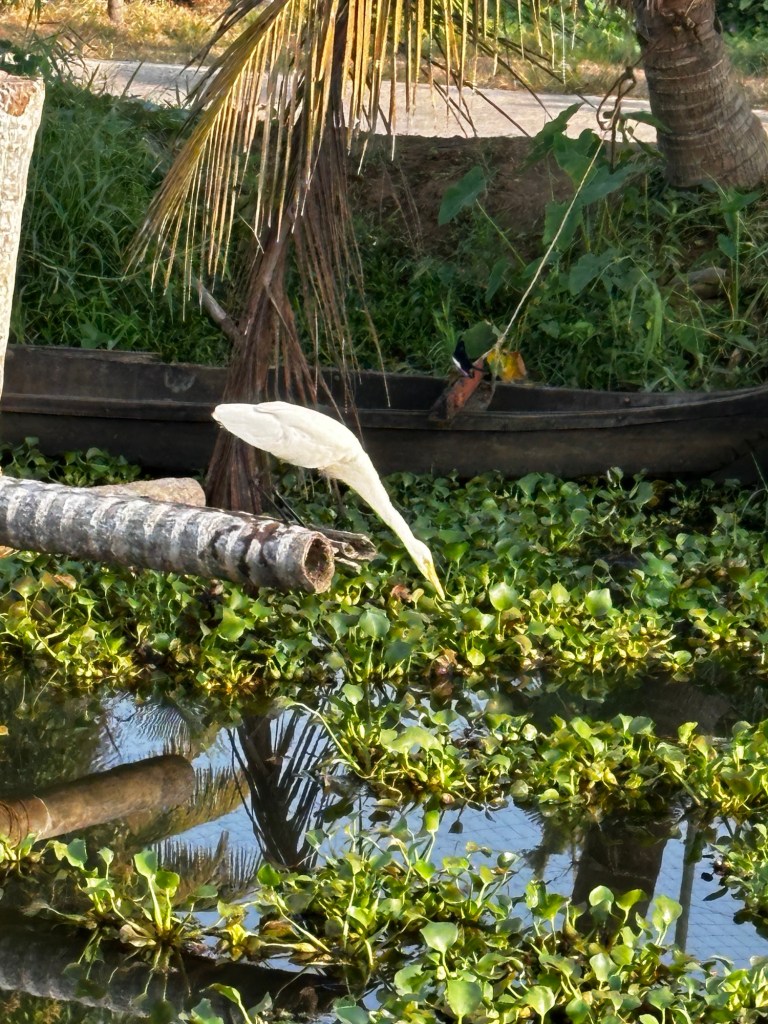


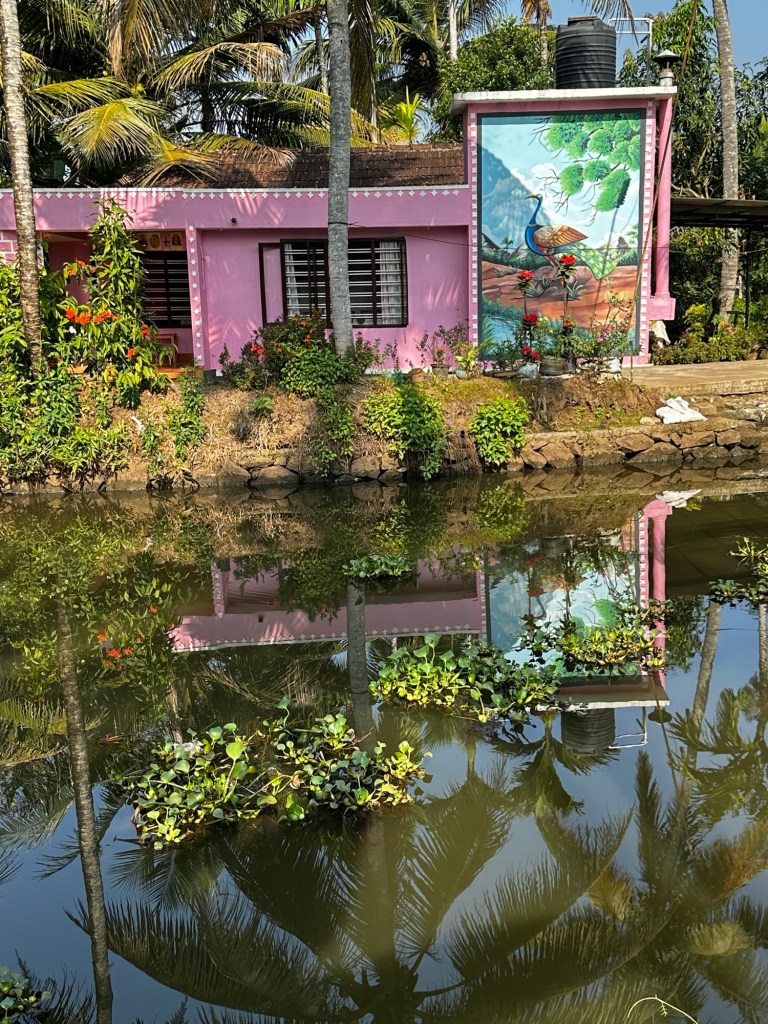
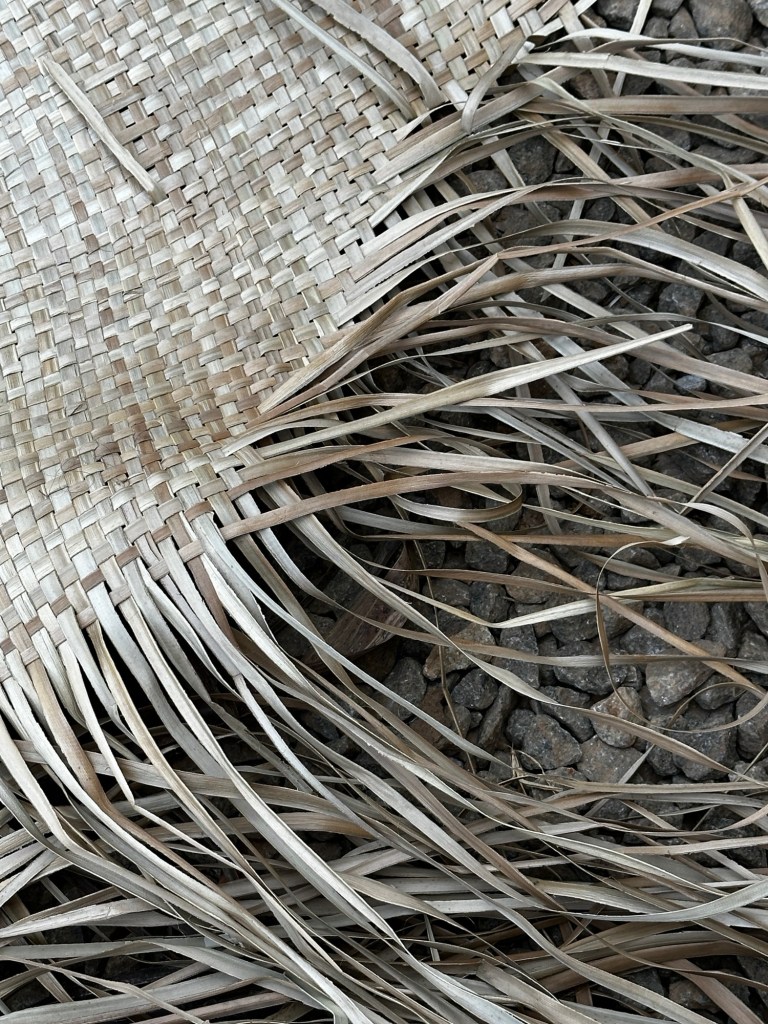

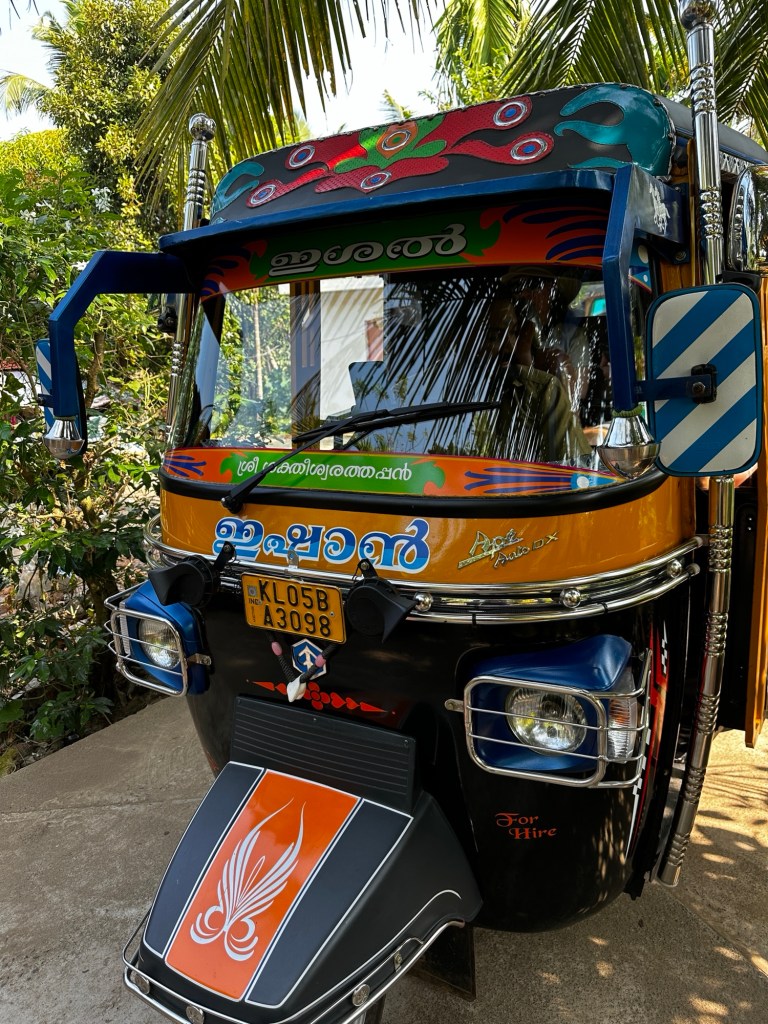
On our second morning we headed out early for a wonderful tour of a local village complete with two house visits. Whenever volunteers were needed to try something I was in, so I got to climb a coconut tree, make rope from coconuts, weave a fan from coconut leaves and dress in local saris, all of which were lovely experiences
The Kumarakum Resort had a different local presentation before dinner each night. Our first night we were entertained by two lovely folk dancers, while the second night we watched in awe as several young men recreated ancient battles with swords, spears, fire and the craziest extending whip sword you’ve ever seen. This was serious stuff.
All in all we couldn’t have asked for a better experience.
After two nights we left early in the morning to fly to Mumbai (India’s second largest city and the 10th largest in the world). Unfortunately, the Kochi airport is where we encountered our first big challenge with Indian airport security.
Although we had gone through security many times at many airports, the security people at Kochi confiscated our Garmin InReach device, which is a satellite security beacon that would allow us to give our GPS coordinates and send short texts in an emergency. We brought it with us just to be safe if something unexpected happened, but had never used it. At first the security people said it was e-cigarette (which are not allowed in either checked or carry-on luggage in India). I told them it wasn’t and showed them what it was online. Then they said, oh no, you can’t have that either because it’s a satellite phone. Tina tried to work her magic and we explained to them without success that we had gotten it through security in every other city. But in the end, there was no rational solution and they confiscated the $400 device. We keep it on our boat for emergencies so we’ll need to get a new one when we get back. Oh well. Security is extremely tight around India because of past terrorism and we did confirm online that the Garmin device is banned here. Of course it’s no different than any of our phones or watches. But that’s how it goes.
We made it to Mumbai (formerly Bombay) after another long flight delay, met up with our first local guides there and finally arrived at our last lovely Oberoi Hotel, which is located near the end of Mumbai Peninsula on beautiful Marine View Drive. Mumbia is a great city, and the last stop on our India Tour. I’ll tell you about our adventures there in the next blog. Thanks for reading!
 True Love Adventures
How wonderful to experience the land of Covenant of Water – loved that book too. Such a fascinating history. And of course you climbed a coconut tree!
Wonderful eating lettuce and brushing teeth from the sink!
Of course I climbed the tree. They invented that climbing device locally.
It has been such a pleasure to see India through fresh eyes..loved your perspectives and positivity..
Thank you!
Thanks! Great Blog!