Since we last wrote in the blog, several good vibes and rewards presented themselves and we snatched them up. Of course there a couple of small stoic challenges too.
When we last blogged, we were planning to take a couple of days and cruise up to April Point where we planned to leave the True Love for a Seaplane flight to Seattle for the opening of Dick’s Drive-Ins’ 9th restaurant (in Federal Way) and marching alongside the DDIR Food Truck in the annual Seafair Parade in downtown Seattle.
But, first we stopped in Pender Harbour to check out a property that might give us an opportunity to secure a permanent dock space near our favorite places in the Sunshine Coast of BC. We were talking to people and just “putting it out into the universe” that we wanted dock space somewhere in the general vicinity of Pender Harbour or Egmont (which are both on the north side of the Sechelt Peninsula, which is northwest of Vancouver). As you know Princess Louisa Inlet is our favorite area and we were looking for a summer home that would give us easy access to PLI and also give us a place that we can dock for a break, make repairs, and even take a seaplane back to Seattle for a few weeks. But finding dock space in the summer for a 60’ boat is extremely challenging.
The property we looked at was interesting, and certainly a good long term investment opportunity, but a very, very, big project. And we are not looking for any more big projects.
Our Pender Harbour Dock Space!New friends!The big yacht entertainment.
After looking at the property I suggested we take the tender across the harbour to the newly rebuilt John Henry’s Marina (which looked like it had just reopened) and see if there was long term space open there. And there was! We really couldn’t believe it. Alan, the marina manager, was our hero. As soon as he made sure the True Love wasn’t some derelict old nightmare, Alan said we could have the last 60’ slip there. Within 24 hours we finished the paper work and its now a done deal.
With that wish granted, we called the Painted Boat Resort & Spa to see if could luck into a couple of massages for the next day, including before/after time at the wonderful spa pool. Next wish granted!
But not so fast . . . The next morning we slept in and planned to head over to the spa early, but our generator stalled out again. Oh NO! Are You Kidding Me! Deep Breath.
We were in a fairly shallow spot so I hoped it was just that the sea strainer (that brings seawater into the boat to cool the generator) had clogged up. I took off my spa hat and put my ship’s engineer hat back on. I also texted all the support team in case this “easy” fix didn’t work. And we texted Alan at John Henry’s to see if we could get our slip earlier than we planned so that we could leave the True Love there instead of at April Point (50 miles north).
The sea strainer was icky with green algae. But when I cleaned the strainer and then opened the ‘through hull” valve to let sea water flow into the generator, no water flowed in at all. Okay. Deep breath. It must be clogged underneath the boat. Rather than swim under the boat and try to clean the intake by hand, the Captain and I decided to quickly lift the anchor and head out into the main channel to hopefully dislodge the clog by cruising (briefly) at the True Love’s top speed (about 14 knots).
We were once again on the clock. Massages awaited us. And it was really windy outside of Pender Harbour. As we headed out in the choppy waves and spray I noticed a really menacing “dead head” on our port side. A log the size of a telephone pole floated vertically, with just the top few inches showing. Hitting this thing could cause catastrophic problems to hulls or damage rudders or propellers. Thankfully we did not hit it, but we felt we had to contact the coast guard and report it so that someone else could come out and tow it into shore or at least mark it with a flag. The Coast Guard asked us if we had something to mark it. Now let me paint the picture for you: Waves, spray, log bouncing up and down in the 2 feet swells, 5 feet below the boat, about 50 yards from a rocky shore. How are we supposed to mark it? We don’t have a harpoon with a blow up marker. But we had done our duty to warn other boaters of the danger (which the coast guard did with a warning over the VHF radio), so we returned to the task at hand.
Now it was time to test the generator again. Fingers crossed. It worked! Whatever was clogging the seawater intake was gone. So we quickly returned to Pender Harbour, and again dropped our anchor, but this time in deeper water. We then quickly deployed the tender and headed to the dock at the Painted Boat Resort, walked up the hill and made it to our massages with 10 minutes to spare!
In the meantime, our hero, Alan, texted us that he cleared a space for us at the docks for the next 4 nights, plus the three weeks we needed to store the boat while we flew back to Seattle. This meant we did not have to spend two days each way getting to April Point to store the boat and then, 3 weeks later, retrace our route back to the Pender Harbour & Egmont area to meet up with Jasmine, David and the kids in mid August. It also meant we could just relax at the dock, kayak and breathe deeply for the next 4 days.
And that is exactly what we did. We met new friends in Pender Harbour, kayaked, enjoyed watching the giant yacht, used up our supplies with good meals, slept in, did our yoga and didn’t stress.
Last Tuesday, Kenmore Air picked us up at the John Henry Docks and flew us to Seattle on a 5 passenger “Beaver” seaplane. David and Jasmine left us our car at the “air harbor” on the north end of Lake Washington so that we could more easily drive up to the mountains and rest up for the Federal Way restaurant launch activities.
Federal Way Opening, Fair Start Golf Tournament and Seafair Parade!
We knew we would be busy and we were. First the “soft opening” for the contractors who built the Federal Way restaurant on Wednesday afternoon and evening. Then the Grand Opening for the public on Thursday morning. Friday we drove down to Seattle for absolutely needed haircuts before helping Jasmine and the team deliver burgers at the Fare Start Charity Golf Tournament at the Newcastle Golf Course. Then on Saturday we marched with the Dick’s Drive-Ins’ Food Truck, other family members and the support team in the Seafair Torchlight Parade in downtown Seattle.
In my young life, I was in parades on horse back and when I ran for the WA Legislature I was in many small-town summer parades. This is the first time DDIR participated in the annual Seafair Parade. The Food Truck makes a perfect float. The organizing team (Jasmine, Chelsy, Lena, Ron, Ryan and others) did a great job planning everything. It was a kick. One of Lena’s children asked “is this what it’s like to be famous?” We sure felt like celebrities! People along the parade route smiled and cheered for us as we walked by, handing out little gifts. We were even able to hand out burgers at one designated spot. Technically, we had 90 seconds to hand out 200 burgers at the main grandstands. They were all gone in under a minute! The Captain walked almost the entire route and then another mile back to the car.
Of course things break in houses too. The sink in our new, very pretty laundry room came with a broken faucet. We figured we could easily install it. Not so fast, said the universe! It took way, way longer than we thought it would, but partly because of installer errors, but also because the designer of the sink faucet was a sadistic monster. But, we eventually resolved this stoic challenge like all the other before it and the new laundry room looks so pretty.
This week we drive north on Wednesday to the Semi-ah-moo Resort at the US/Canada border for our 4th Annual DDIR Family Assembly Retreat. We are just participants now, so it should be much easier (for us) than in previous years. After that we have a week to just enjoy the mountains, get some appointments done and then fly back to the True Love for the end of our summer boating adventure. We’ll blog again when we are back in Canada. Until then, thank you for reading!
Enjoy the hummingbirds from the mountains. They are all swarming and feeding before they head south. If this year is like the years before, all of the hummingbirds will have left the mountains for warmer climates by August 15th.
We’ve entered a well-needed break from stoic challenges. So we can share some fun stuff.
Amazing morning reflection view from PLI
Princess Louisa Stars and Fireball. Clear night skies and no moon equal great star watching and the Summer Triangle and Milky Way appeared before our eyes around 11 pm. One night we slept out on the upper deck to watch the stars throughout the night.
For the first time in our lives and probably the last (given the likelihood of seeing one) we saw a fireball. The photo is from the internet for reference. Apparently for every 200 hours of star watching you can expect to see one fireball meteor. The Captain and I figure we have done at least 200 hours of star watching in our lifetime together. At first it looked like a giant space station, but clearly it was too big and too bright. It was the size of a big pencil eraser in the sky. Jim called it 6 times the size and brightness of Venus. We think it would rate from a -9 to a -11 on the celestial brightness scale, which is about the brightness of a half moon. Because of the mountain ridge above us we only saw it for about 4 seconds and never heard a sonic boom or crash. But who knows?
Baby Seals: Princess Louisa Inlet is a breading ground for baby seals and we love watching them around the boat.
Very Dry and Warm: PLI was about as dry and warm as we have ever seen it. The waterfalls looked parched, flowing much less than usual. Some were completely dried out. So when the weather predicted a 24 hour rainstorm, we decided to hang out a bit longer and we were rewarded with a good rainfall. The trees rejoiced, the waterfalls refilled and the whole area smelled delicious.
Even the Captain and I went out to Kayak in the rain.
The “Dragon’s Toothpick” on Feather Falls is our name for the log that has been inexplicably perched there for over 12 years.Chatterbox Falls chattering after the rain.
Sechelt Inlet Exploration: Yesterday we left PLI and cruised to Egmont before deciding to travel south through the Sechelt Rapids (aka Skookumchuck Rapids) and hopefully anchor near the cute town of Sechelt at the south end of the inlet. After a stop at the Backeddy for a yummy lunch we refilled the water tank and headed south. Passing through the Skookumchuck Rapids is serious business. Figuring out when slack tide was a bit complicated because our phone app “Aye Tide” had slack tide occurring 10 minutes earlier than the tide/current information in our Garmin Chartplotter. So we did it the Wylie Blanchet way, by observing it, watching two tugs go through and then passing through with visual confirmation of the near-slack current. As we passed through the rapids the kayakers at Rapids Rock waived at us while waiting for the current to get back into the “fun” zone (for them). We feature the Skook in the Curve of Time Podcast episodes 3 and 4: Adventure at the Skook and Finding Dad. On another fun note over 2000 people have listened to the podcast so far! Now we just need a contact with a movie/video producer so we can upgrade to streaming on Amazon, Disney, Paramount, or Max. So good readers, we would love your help if you know anyone who might meet with us!
Beautiful morning reflection in Jervis Inlet after leaving PLI
Sechelt Inlet was described to us as a “little PLI” and it is. It has two “side” inlets: Salmon Inlet and Narrows Inlet. Like PLI, those two side inlets go back into the BC Coast Mountain Range, but not as far, so unlike PLI there aren’t a lot of waterfalls. We got to the little town of Sechelt pretty easily, but late in the afternoon. Unfortunately it is just too close to the Georgia Strait so the wind was strong (20+ knots), and there was no dock space or anchorage for large boats, sooooo . . . Even though it was ate in the day we reversed course and headed north back up Sechelt Inlet until we got to Narrows Inlet and poked our bow in to take a look. It was exactly what we needed. As we approached the Tzoonie Narrows Rapids (“Tzoonie” is the native name for the river at the head of Narrows Inlet), it didn’t look difficult so we went right through. There is very little information on the area and the depths on the charts are rough “estimates” which is extremely hard for the lawyer brain of the Captain. If the chart says something, he assumes it must be true, but sometimes that’s not true at all, especially for the less traveled places like Narrows Inlet. We really need to use the charts for advisory purposes and move slowly around any possible anchorages to confirm the actual depths. I found a couple of spots that were just fine for me, but the Captain was still uncomfortable. We ended up near the head of the inlet and anchored, but were extremely tired after a long day.
This is a lovely area. Sitting on the upper helm last night the Captain heard repeated crashing noises in the forest which he described as either a bear or a troll. We are going with bear although, we haven’t seen one yet.
View from our anchorage near the head of Narrows Inlet.Paddle boarding and exploring the inlet from our anchorage.Tzoonie NarrowsHummingbird CloudOur 2nd night anchorage in Narrows Inlet is perfect, with big views north and south and a little stream nearby
Last night the stars twinkled brightly in both the sky and the reflection in the water, but we were too tired to stay up and enjoy them much. After a good night’s sleep last night however we expect to do some quality star watching tonight. Also we have been told that the bioluminescence in the water has been incredible around Egmont (abut 10 miles away), but we didn’t see any last night in Narrows Inlet. Hopefully, we will see some tonight and maybe some big shooting stars!
The stars were beautiful last night in the expansive sky of the inlet and we even saw the bioluminescence! This morning we go up early to head back out through the Skookumchuck and the Captain timed it perfectly at slack. We have definitely earned our Sk Rapids Merit Badge.
When we last left you we were waiting in Comox for our new outboard engine.
While waiting for engine installation we explored the quaint town of Comox by the Sea. Like all fantastic stops in the Salish Sea it has a great bakery with fresh baked sourdough bread, adorable shops, gelato, and a few good restaurants.
Dan delivered our tender with its new outboard installed at the end of the day, only 30 hours after we first contacted him, a true boat repair miracle! We did a bit of testing and it worked beautifully, much smoother and quieter than our reliable but 23 year old Honda outboard. It starts easily and is more powerful although our Honda was also rated at 40 HP. Unfortunately, the mechanic who did the install also, for reasons unknown and without asking us, disconnected and/or removed some of the old electrical wiring, including a conveniently located battery on/off switch that also powered the bilge pump and the chart plotter. None of us understood that choice, especially without calling to ask us about it. But, Dan came to the rescue and got the chart plotter working. We will need to go back to Comox to fix the bilge pump and reinstall the more convenient battery on/off switch before we head home.
Given our need to meet up with friends in two days, we decided to leave even though it was late for crossing the Strait of Georgia. The weather seemed good, we had overcome our outboard engine stoic challenge and we had moorage reserved at the Beach Garden Marina in Powell River waiting for us just two hours away. So we left Comox at 6:30 PM, with the idea that two hours later we would arrive and be tied up to the dock at 8:30 PM. Although that is later than we like, it was still doable given that sunset is around 9:20 PM up here at 50 degrees north latitude. So optimistically, we headed out to cross the Strait of Georgia. A cascade of Stoic Challenges followed.
“ No Man is more unhappy than he who never faces adversity. For he is not permitted to prove himself [or herself].”
Seneca
Let the Stoic Challenges Begin
Stoic challenge #1: The winds really kicked up. The waves were bigger than we like, the wind was blowing spray and it was definitely a bit uncomfortable. But, the stabilizers did their job and it was doable. We did have a bumper blow off in a big wave. But we were able to use it as a “man-overboard” drill and retrieved it really quite quickly. Patting each other on the back we continued on.
After crossing the Strait of Georgia, we rounded Texada Island but then the SE wind really kicked up. We were getting concerned that we would have trouble docking in the narrow confines of the little Garden Bay Marina, especially when it isn’t low tide. But, we were hopeful because it wasn’t yet high tide. Although, we were beginning to think that leaving Comox at 6:30 PM probably wasn’t a good idea.
Stoic Challenge #2: As we approached the marina we were pleased to see the marina’s break water blocking some of the wind at the dock, unfortunately there was a small sail boat right in the middle of our lovely 60 foot space. No one was working the dock at 8:45 PM and there was no place for us to land at the marina to tell the little sailboat to get out of our slip, and in any case we were far better equipped to deal with high winds and waves than the little sail boat that must have thanked their lucky stars to have found such a large dock space, at the end of the dock, late in the day, as a refuge from the high winds and waves.
So we continued south, past the marina, to the closest safe anchorage about an hour away in Thunder Bay. We hoped it would be out of the wind and doable. Clearly, we were getting tired and it was getting dark. And clearly leaving Comox so late was a bad idea. The wind, sea spray and dusk made it a challenge. But we have the protected lower helm, good windshield wipers and we worked together to watch for logs among the waves as we headed south.
We finally approached the turn into Jervis Inlet and hoped the wind and waves would calm down after we rounded Scotch Fir Point. They did! Only 30 minutes later we were in the calm waters of Thunder Bay. We dropped the anchor easily in relatively shallow water, showered and collapsed into bed looking forward to a good night’s sleep.
Stoic Challange #3: Bzzzzzzzz. . . A mosquito. Unfortunately, a mosquito was in the bedroom buzzing around our head. The Captain was so tired he said forget it. He would just let it eat him. I couldn’t let that happen. So we turned on the light. Attracted the sucker to a convenient location and fried it with our trusty hand-held, battery-powered bug zapper. That happened one more time before we collapsed into a deep, long sleep.
The next day we had planned a brief cruise to the nearby Harmony Islands. But the Captain wanted to explore other possible anchorages in the inlet first. The First Mate was looking forward to a shorter adventure. We looked at many little gunk holes for a possible place to anchor. The Captain was sure we would find something. But, it wasn’t to be, so we headed back to the Harmony Islands. The Harmony Islands are beautiful, but funky. You have to anchor in the middle of a narrow channel or shore tie.
Stoic Challenge #4: Another crappy shore tie. After much exploring we decided to shore tie in a really difficult spot with wind and current. It wasn’t pretty. It was hot. It took forever. We were not feeling the Harmony in Harmony Islands. I graded our performance a D+ which was better than the last shore tie of a D. The Captain gave us a C-. I felt that was grade inflation. After it was over we took the tender with our new lovely outboard out to explore where we could of anchored more easily. And I think we have learned where we could anchor in the channel like a few other boats without a shore tie. The Captain is always, in the first mate’s opinion, overly concerned with running aground. Clearly a valid concern, but taken too far it is annoying and overly limiting . Once again we ate and went to sleep exhausted, but we knew we would be able to easily cruise to the nearby Backeddy Marina at Egmont, where we had reserved dock space to meet up with our friends Ken and Maria the next evening. So all and all we had overcome a lot and we were going to be on time to get our friends and head in PLI for more bliss time.
Stoic Challenge #5: Yes, another stoic challenge. They say if life is too easy you won’t be ready for the serious stoic challenges that are inevitable in life. You’ll get soft and not be ready for the really big challenges when they come along. That’s certainly not going to happen to us! After waking up on Sunday morning in the Harmony Islands, we turned on the generator to charge the battery like we do every morning. That’s when the Stoic Challenge #5 began. The day before on our way to Harmony Islands the generator stalled out after running 90 minutes, which was highly unusual. But we were making water at the time, and the batteries were fully charged so we didn’t really think much about it. Our generator is regularly serviced and like our reliable Honda outboard has never before given us any trouble. Until this trip. Earlier in the trip the generator’s starter battery had died, but we just bought another one in Comox. Unfortunately, this time there was no easy fix for our generator problem.
I called Irvin at Gallery Marine for a consult. Again, we are so lucky to have people who care about us and will help in these situations. He thought we might have gotten some dirty fuel so I would have to change the fuel filters. As the ship’s engineer, or in any time in my 62 years, I’ve never done this before. Irvin asked us if we had extra filters. I knew we did, which surprised the Captain. I had made sure we had extras of everything we needed and they were organized in special containers. Irvin walked us through how to do it and we successfully changed the main fuel filter. Unfortunately, it did not correct the problem. We decided to start the engines, remove the shore tie and head to Egmont before changing the smaller fuel filter on the generator itself when we got to the dock. That also did not correct the problem. But I do now know how to change fuel filters!
Stoic Challenge #6: Finding a capable boat mechanic in the summer, in a small town, that has any available time, on a Sunday afternoon, is exceptionally rare: much rarer than seeing Orcas. But that was what we needed to “bleed” the fuel line in the generator to get out any air bubbles that might be impeding the fuel flow. I watched a YouTube video and knew that I could not do that without on-site help. I asked Danny, the Backeddy’s dock manager, and he said “yes” he knew someone local who was a great mechanic and who could help. He texted Mike and Mike told Danny that he could be there to take a look at the problem later Sunday afternoon!
So despite the many stoic challenges we faced, we were also being blessed by another boating miracle. We thought there was no chance we could find anyone that quickly. So we waited for Mike the mechanic to finish his 3 other Sunday projects and come to our dock.
Mike arrived, with his son Max about the same time Ken and Maria arrived at Egmont. Ken & Marie had a reservation for one night at one of the Backeddy’s little motel rooms, but they went to the Backeddy pub for dinner while we worked with Mike to diagnose the generator and hopefully fix it so that we could cruise into Princess Louisa Inlet with the flood tide on Monday morning.
Honestly, you never know the quality of the mechanic you are going to get in these situations. We’ve been very disappointed in the past. But Mike was amazing! He is a calm, thoughtful, intelligent and a remarkably capable and creative mechanic. He’s patient and a good teacher. I knew almost immediately that he would solve our problem.
Mike and I worked in the engine room together. We tried to “bleed the lines” by jump starting the fuel pump. Apparently the fuel filter turns on when the circuit board detects oil pressure. It is like what comes first, “the chicken or the egg” thing. But you can also jump start a fuel pump by connecting it directly to a 12 volt battery. Mike asked if we had electrical wire, ✔️ hay wire & duct tape ✔️, and we had a portable battery for jump starting (The Captain bought it just in case the tender battery died). We were glad to have it because it came in handy earlier in the trip when the generator’s dedicated battery died and it came in handy again to jump start the fuel pump on the generator itself. So in awe, I watched Mike create a jumper system for the little fuel pump “McGiver” style. I love the MacGyver TV show and so does Mike. In fact, his business is named “Mikegyver Mechanic”. We attached all the wires, added power and . . . Nothing. The fuel pump was clearly dead. As Miracle Max says in Princess Bride: “There’s a big difference between mostly dead and completely dead. Mostly dead is slightly alive. With completely dead, well, there is [nothing] you can do . . .” I quoted it and Mike, my brother from another mother, knew it was from Princess Bride. So we both knew we needed to get a new fuel pump and get it installed before the generator would work again.
Clearly, we were not going to leave the dock Monday morning. But Mike found a fuel pump that could be delivered by 9AM on Tuesday morning to an auto/marine parts store in Gibsons, which is about 90 minutes away by car. Fortunately, Ken & Maria have a car!
So, on Monday morning Ken and Maria moved their stuff to our boat on the dock and we hung around ate and drank, explored the nearby Skookumchuck tidal rapids with the tender and generally had a chill day hoping that the part would actually show up the next morning. The plan was for Ken and Jim to drive to get it first thing in the morning, then bring it back for Mike to install in the early afternoon. If everything went well, we could still cruise to Princess Louisa Inlet on Tuesday as long we left the dock at Egmont before 4 PM. While the boys were on their road trip to Gibsons, Maria and I enjoyed a nice walk along the rural roads of Egmont, did some laundry and waiting for news of the fuel pump.
Oh and we ran into the Peach Pie and her crew Sydney and Chris again. And yes that is stoic challenge mechanic hair on my head.
But first we must digress into our delicious meals. Ken is quite the chef and had purchased in Whistler (where he and Maria were before driving to Egmont) and along the way from there to Egmont, all sorts of amazing culinary supplies so that he could prepare 3 exquisite meals for their 3 day visit to the True Love. While at Whistler Ken and Maria had purchased and pre-souvied meats for the trip. Yes, Ken travels with his sou ve machine. Although we were still tied up to the dock at the Backeddy on our first night together we ate yummy salmon, garlic-cheese mashed potatoes and salad. It was an honor acting as Ken’s sous chef.
At 9:05 AM Monday the text came from Jim that the he had the replacement fuel pump in his hand and that Mike would meet us at the boat around noon. Hip Hip Hooray!
Maria also found and purchased the most amazing sourdough bread from “Ed’s Bred” in Whistler. We thought we had way too much bread, but it took only 24 hours for us to eat the loaf. It‘s a must stop if you are in Whistler. We even had a moment of silence when we ate the last piece.
Now we were on the clock again. To get into PLI, you have to transit the Malibu Rapids when they are close to slack tide, and that meant we had to leave the dock at Egmont no later than 4PM on Tuesday.
Mike arrived a little after noon and I joined him in the engine room again to watch, assist and learn how to install a fuel pump on the generator. I took lots of video and photos. But, it was complicated. I’m not sure I could do it even now. But Mike is a real pro. After it was installed we tested it by jumping it, this time using the mini jumper cables that come with the part and voila! It came to life! Fantastic. With the pump humming along we were able to bleed the fuel lines of air and then gave the generator another try. And ….. nothing! The generator would still not start no mater how long we cranked it. Now what?
But “MacGyver” Mike wouldn’t give up. We called Irvin back in Seattle and brainstormed what could be causing the problem. After much discussion and analyzing we decided something wasn’t telling the oil pump to turn on the fuel pump. Apparently there is a circuit board on the generator that is supposed to do that. Irvin, who is no spring chicken, had never seen a circuit board go bad in a generator during his entire career as a boat mechanic. But there is a first time for everything. And everyone realized that there is no way we were ever going to get another circuit board in time to go to Princess Louisa on Tuesday or Wednesday, and Ken & Maria had to be back from PLI on Thursday to drive back to Vancouver and catch their Friday morning flight back to Southern California. So Mike and Irvine discussed creating a manual bypass switch. We had about 45 minutes left.
Mike went to his truck to look for a “MacGyver” bypass switch. He returned with wire and an old switch from a Winnebago. He quickly attached the switch to the proper place near the circuit board. Then Mike used the special jumper cable to connect it to the fuel filter. The moment of truth arrived. Turn on the switch, then turn on the generator and . . . It worked! Beautifully! Hearing the lovely hum of our generator again was wonderful. We cheered, hugged, paid Mike gratefully for his amazing problem solving and left the dock at 3:45 PM, with just 15 minutes to spare.
Mike’s magic “MacGyver” switch!
After a beautiful cruise we traversed Malibu Rapids and entered PLI. As we reached the end of the 4-mile-long inlet surrounded by tall mountains and waterfalls we noticed that our usual anchorage spot was taken. Bummer! But one of the 4 mooring buoys was available. Great! It’s been quite a while since we have used a mooring buoy because in Washington State, the mooring buoy’s at marine parks are limited to boats less than 40 feet long (our boat is 57 feet long). But here at PLI, there are five buoys for boats up to 70 feet long. And the one open buoy was in the perfect location, close to one of the small waterfalls and with a clear view of the big waterfall at the head of the inlet (Chatterbox Falls). I quickly deployed the paddle board so that I could thread the bow line through the buoy and hand it back to to tie off. Given how tired I was, it was another blessing in disguise that we didn’t have to shore tie, which would have taken at least another 30 minutes.
Chatterbox falls is in it’s summer dry season, but it is still quite powerful and chattering.
We made it! Let the bliss begin! Ken made us a delicious arugula salad and steak. The last 2 days we have enjoyed the inlet together floating, kayaking, and paddle boarding on the warm salt water (over 72 degrees at the surface!) and celebrating life with good wine, great food and interesting conversations. Ken’s third meal was roasted lamb with warm spinach salad and red potatoes. Ken & Maria left yesterday on the fast tour boat that takes tourists to and from PLI each day. They will now fly back home while we will spend the next few days here at PLI before heading out again for more adventures.
It’s a little cumbersome to turn the generator on and off now because we have to climb down into the engine room and manually turn on and off the fuel pump and the main switch at the same time. But it’s purring again now whenever we ask it to recharge the batteries or power the watermaker. Hopefully, we are done with our stoic challenges for awhile, but you can be sure that if we are faced with a new challenge that we will overcome it, sometimes by ourselves and sometimes with a little help from our friends Mike, Irvin and Dan!
We really have had a lovely week. As expected Dent Island filled us with great food, loving care, a jet boat thrill ride and tranquility. We’ve never taken the jet boat ride before. But his year the “Super Moon”tides were creating some super big tidal rapids nearby and Trish told us there were surprisingly a couple of spaces still available. Oh my what a thrill! Riding on the flat bottom jet boat is the only safe way to experience the powerful, bubbling tidal rapids that surround Dent Island. As intelligent boaters, we work hard to schedule our arrival at Dent at “slack” tide to avoid being caught in even mild rapids. But the jet boat can go out even when the rapids are at peak tide! It also is a perfect time to get up close to the eagles as they swarm and dive to catch the hake fish that get stunned by the churning water and then rise to the surface where they are scooped up like eagle potato chips. We’ve only seen this once before in the area when our California friends Greg and Carolyn were visiting for a few days.
Devil’s Hole in Dent Rapids can get so big in the perfect conditions that you can’t see the bottom. This was plenty big for us!Arryn Rapids are the most dangerous and the current is strong a long time. But it was no problem for the jet boat and Justin’s amazing skills.
We left Dent yesterday. Because of the continued strong NW winds we headed south to a lovely new anchorage (for us), Walsh Cove. It’s one of the beautiful Desolation Sound Marine Parks and offers stern tie chains to make it easier to anchor in the deep but protected waters there.
The spot was recommended to us at Dent by John and Nancy of the “Sea Esta” and it didn’t disappoint. Unfortunately, we were a mess with our shore tie procedure. My tender technique didn’t improve. The Captains advice wasn’t helpful. The extreme low tide made climbing up to the chain a bit challenging. I saw a snake cross my path as I was climbing! The stress bloomed exponentially. Eventually, after exerting way too much effort and making many mistakes we anchored with a good shore tie. We were both exhausted however and separated with very little speaking. I went for a cool down float in the 72 degree warm water. The Captain went up to relax in the sunshine on the top deck. Neither of us were ready to discuss our crappy performances, individually or as a team, until much later.
Low-tideLow-tideSuper-high tide.
But that wasn’t the biggest “stoic challenge” of the day. Lounging on the pizza floatie, I looked over at the tender and noticed a strange crack on the lower shaft of the 40 HP outboard engine, right next to where the propeller was. It looked wrong. I took pictures and texted our support team back in Seattle. Alex responded immediately that it was a very big deal and we really shouldn’t use the engine anymore! Oh no!
We have no idea how it happened. It looked like there was quite the impact that took a chunk out of the bottom of the outboard and cracked it, exposing key components to sea water and releasing the oil that fills the lower engine shaft and lubricates the drive train that transmits the power of the engine to the propeller. The only thing we could think of was that it happened when we returned from an amazing dinner with our friends at the Laughing Oyster back to a spectacular anchorage in Isabella Bay off of Oakover Inlet. The strong NW winds were against us and the water was quite rough. We do remember hearing a big thunk and slamming down a bit, but we thought is was just a big wave. Maybe it was something else? Who knows?
After a “calm before the storm” lovely dinner we showered and I knew in the morning I was going to have to wake up and get busy finding a replacement outboard engine ASAP. There is no way we could get a part and have it replaced anytime soon, and at 20 years old, the salt-water-cooled outboard engine was reaching the end of its useful life anyway.
As soon as I woke up, I checked my email and Irvin, another of our other lifeline boat service guru in Seattle concurred with Alex and repeated twice in his email: DO NOT DRIVE THE TENDER. We then called Jim’s brother Doug, our third expert, to get advice about which brand would be the best replacement (assuming we had a choice).
Our outboard is 20 years old and we were thinking of replacing it next year. Time to move up that timetable! Because we have our trusty Starlink Satelite now I could actually make calls and use the internet even though there was no cellular service at Walsh Cove.
The Captain/Barista made my latte and I went to work on the internet and phone. After about an hour and a half we had three possible choices. Now we had to wait for quotes and verification that the service people had time on Friday to install a new outboard motor assuming we could find one in stock somewhere nearby.
So instead of a glorious day kayaking and blissing out we untied the beautiful shore tie, lifted anchor and headed out. I kept of my communication with my three options: Egmont – the easiest best choice for our next scheduled rendezvous with friends; Comox – second easiest only 5 hours out of our way; and a deep back up in Nanaimo (10 hours away) for mid July. In the end, Comox had a 40 HP Yamaha engine and they said they could install it tomorrow!
Cruising around Desolation area there are lots of humpbacks. We love seeing them and feel that they join us on our life travels as the migrate from Hawaii to the Salish Sea. We also saw humpbacks in the distance as we head to Comox. We took it as a positive sign. That “every little thing is gonna be alright”!
Next challenge, navigating into Comox at an extreme low tide. We are completely unfamiliar with the area and of course we didn’t have the highly recommended chart suggested in the Waggoner guide. Luckily, it wasn’t very windy so navigating the drying shoal was pretty easy. But, there wasn’t room at the dock unless we “rafted” onto another boat. We have never rafted in 14 years of boating. The idea of tying up to another boat and walking over it to get to the dock is extremely unappealing. But we did it with the help of the lovely young women, Teagan, at the marina. We were stressed, but she was chill and very skilled. She couldn’t believe we had never rafted before. Oh well. By the time all this was over, exhaustion set in and I was “good for nothing”, as the saying goes. We could have dropped the kayaks and enjoyed the area and the low tide, but I just couldn’t rally.
Tomorrow morning we will meet Dan from Parker Marine at the nearby boat launch at 7:30 AM where he will bring his trailer to scoop up the True Love Tender, take it over to his shop and install the new 200 pound, 40 HP outboard. If all goes as planned (🤞🏽) we will grab breakfast, reprovision our food supplies and the tender and its new outboard engine will be ready so we can leave the dock sometime in the afternoon. Then we will cross back over the Strait of Georgia and return to the Garden Bay Marina in the Powell River area where we will be perfectly positioned to head back to Egmont and meet up with our friends Ken and Maria Kribel on Sunday night so that on Monday morning, we can ride the flood back into PLI for our second sojourn there of the summer. Wish us luck!
Time for bed.
The Captain and the First Mate of the True Love!
Update: The tender handoff went off without a hitch this morning. Outboard installation is underway. Looks hopeful. We walked around the town of Comox and did some reprovisioning. Also, turns out our dock hand, Tegan, is only 14. She wanted to work with the marina and kept bringing her resume in so they finally agreed to hire her. We told them she is a keeper. They of course agree.
The theme of this year’s cruising True Love Adventure is more “sustainable bliss” vs dramatic adventure. To be clear cruising on the Salish Sea always has a bit of adventure. Navigating the needed upkeep and repairs to our 20 year old boat and navigating the weather, currents and tides always creates a sense of adventure. But we have decided that, this year, whenever possible, to take it slow and not push it. So far so good!
We left Seattle on Fathers Day in the afternoon, after joining in on an alumni zoom gathering of our “Awake and Alive” living with cancer group. It’s always so amazing to share survival and care stories with people who have a shared perspective on life and healing. After that, we left our home marina in Seattle and cruised north, stopping first at Langley, on the SE side of Whidbey Island. The weather was gloomy, but the winds were calm and we were able to stay just ahead of the big squalls that you can see on our chart plotter. We docked easily and the Lady Washington pulled in behind us. What a beautiful old sailing ship!
Langley is home to some very special friends and frankly we don’t visit often enough. It is where we did our first “Awake and Alive Living with Cancer” retreat in 2015 and home to “Healing Circles” where people dealing with serious illness and life challenges gather regularly to help each other. This trip we were able to meet up with so many special friends. First, we had a yummy dinner with Erica. She picked us up at the dock, drove us to her home, cooked us dinner where we shared the most important things happening in our lives and the wonderful views of her farm.
Heading back to the boat we noticed the Peach Pie, owned by our friends Sydney and Christopher Gorrell, who we met recently in Hawaii. They just happened to stop there for the night on a cruise from Edmonds to Anacortes. It’s a small world!
The next morning we were picked up again by our friends Carol and Laired Vanetta for breakfast before we were delivered into Langley where we walked around before connecting with our other dear friend Diana Lindsey. Clearly we have to go back to Langley more often!
From Langley we headed north again to Oak Harbor to buy some of the lowest priced diesel in WA. Seven years ago we payed $1.47/gallon. This year the price was $4.20/gallon and we considered ourselves lucky. We always fill the tank before heading to Canada where diesel is 25% more, even after the discount for paying with Canadian dollars. Fully refueled, we traveled north again through Deception Pass at the north tip of Whidbey Island, on our way to a cozy overnight anchorage in Hunters Bay on the SE corner of Lopez Island, one of the San Juan Islands, the northern most islands in Washington State.
In past years we would have pushed ourselves to go all the way from the San Juans to Nanaimo in one long day so we could dash from there farther north to Egmont and then the next day into Princess Louisa Inlet (PLI), our all-time favorite anchorage in the Sunshine Coast of British Columbia. But applying our “sustainable bliss” decision rule we chose instead to cruise only a few hours the next day to Cabbage Island, just across the US-Canada border and our favorite anchorage in this area. If the winds are calm or from the south this a perfect first stop in Canadian waters. We were a bit concerned because the weather report talked about strong northwest winds overnight “near” Vancouver Island. As is often the case with Canadian marine forecasts, that is not very clear. What does “near” mean in Canadian weather speak? Who knows? We decided to take a look and see what the winds were like. We could always move further on if we needed to.
Clearly, and thankfully, Cabbage Island was not “near”enough. The winds were perfectly calm that evening, all night, and the next day, and because it is relatively early in the season there was room for us to anchor and enjoy kayaking, paddle boarding two beautiful sunsets.
Jim is a a 45 year cancer survivor, which is a miracle. Over the past 11 years we’ve been dealing with the downstream health issues from the radiation including his near-fatal heart attack in 2012 and other newer issues like muscle wasting. It’s a bit of a mystery but, we are adapters and experiential learners. The solution for us has been sustainable bliss, mindfulness, Qi Gong and working harder on strength and flexibility. To that end, we added regular yoga to our lives so he can continue to do things like get into the kayak, and it paid off. Jim got into and out of his kayak, without a problem. As Dori says, “just keep swimming!”
Again applying our sustainable bliss principle we stayed a second night. There were so many eagles around we had a blast kayaking and listening to them communicate. A couple of them flew through the forest like Star Wars flying speeder bikes.
Both nights we were treated to spectacular sunsets.
You can hear the Eagles’ wings as they fly over us!
One of my goals from this year was to be in Ganges on Salt Spring Island on Friday night so we could go to the Farmers Market on Saturday morning and buy some of the magical sourdough rye bread that is sold there. Another draw is Moby’s Pub where they sell duck wings rather than chicken wings. From Cabbage Island we had an easy 2 hour cruise to Salt Spring Island and we docked on Friday afternoon with time to dine on duck wings, ribs and homemade pie (with left overs), listen to a lovely musician and get some laundry done. Perfect!
The next morning I got the Captain up early so we could secure our bread before it sold out at the Salt Spring Farmers Market. The utterly charming collection of playful booths full of food, fresh donoughts, organic veggies, hippy charms, art and of course bread make it a must visit.
The luthier (Terry) who made my favorite Ukulele has a booth there and I needed him to look at a small crack that I had recently discovered in my Uke. Unfortunately, someone had knocked into it at the mountains and although it doesn’t affect the sound, I would like it repaired. He connected me with “Rick”, Terry’s gifted string instrument repair person. Rick is in Victoria (the southern tip of Vancouver Island and the capital of British Columbia) so we hope to meet up with him there on our cruise south at the end of Summer.
We planned to spend two nights at the dock at Salt Spring, but those predicted winds were howling, but from the south right into us knocking us into the dock for a noisy and rocky stay. Looking at another night of creaking and rocking the Captain suggested we leave at 6 and head to nearby Montague Harbour where we could have a quieter night.
I was concerned that leaving late in the day after a really full day of walking twice into town pushed the limits on our “sustainable bliss” goal. But persistent southerly winds and waves were making our time at the dock in Ganges really uncomfortable, and as the Captain pointed out, Montague Habour was only about an hour away and a place where we have anchored many times. So despite my concerns, we left Ganges and cruised over to Montague.
The Captain’s intuition was correct (this time). It didn’t take long on our journey from Salt Spring to Montague to escape the winds and waves. And we got to enjoy another fabulous sunset in calm waters!
From Montague it was an easy cruise the next day to Nanaimo, another of our favorite stops and a perfect place to prepare for the sometimes difficult crossing of the Strait of Georgia to get to the mainland side of where our favorite fjords (like Princess Louisa Inlet) are located. But before we left I used one of my new favorite power tools to blow up the bumpers. The cruise from Montague to Nanaimo was gorgeous, sunny and calm.
We connected with Hawaii friends, Marylin and Don Harvey, who recently moved to a community just north of Naniamo. They drove to us and stopped by for a quick visit on the True Love. Then they joined us for a yummy dinner at one of our favorite restaurants Astera Taverna (which specializes in Greek food).
In nice weather crossing the Strait of Georgia from Nanaimo east to the mainland is easy. In winds it can be brutal. It’s where we had one of our scariest adventures, involving storms and smoke and it inspired Episode 2 of the Curve of Time Podcast. The blog post is in some old software I can’t locate. This year the forecast looked good and the crossing was easy. Four hours later we were docked at the Back Eddy Marina in Egmont where we had a nice meal on the deck and watched a beautiful sunset. Next stop Princess Louisa. But first the Orcas.
We woke up to a lazy morning and as we were enjoying our yogurt parfaits the Captain spotted the first orcas of the day. It was one of the biggest Orcas we’ve ever seen. Then we saw them again so we we decided to quickly leave the dock and get closer.
Not the best photo but this was a VERY big Orca.In this photo you can see the many seals hiding among the rocks from the giant orcas nearby.
As we made are way down Jervis Inlet toward PLI we encountered a second pair of Orcas. The orca escort continued until we had to journey on to make it easily to the tidal rapid entrance to PLI at slack tide.
Sunny, warm and calm, the journey up Jervis Inlet was perfect and we listened to music and danced along.
And the entrance to the inlet through Malibu Rapids was the calmest we’ve ever seen it, so we timed it perfectly! Once in PLI we made our way to our favorite anchorage with its two “private” waterfalls.
In past years, the Captain would do the shore tie with the tender while I stayed with the boat. This year we thought it would be best if I climbed the shore and the Captain stayed on board. The only problem is that I’m not as good at maneuvering the tender. But with a little trial and error, I figured it out. Going forward onto shore was pretty easy, but backing out in the correct direction created a little more challenge. I know if was tough for the Captain to watch me as I figured it out. But we succeeded.
The gloriously sunny weather continues, the water is a warm 71 degrees and I quickly deployed the blow up pizza and paddle board so we could float and cool off. In late June the days are long. And the best way to cool off in the afternoon heat is in the water. Floating on the water, in the sun, and listening to the waterfalls is truly heaven and is in perfect harmony with our goal of Sustainable Bliss.
Princess Louisa continues to amaze and inspire us. The mountains, the calm water, the remoteness and the magical anchorage just doesn’t get old or boring. We will travel into to PLI 3 times this summer, sharing our favorite place with friends and family.
When we woke up yesterday, the captain checked the weather forecast for the next few days. We now have connectivity through our Starlink Satellite. Although installation wasn’t as smooth as we expected – go figure — it is nice to have the safety net of internet onboard. We were a little worried that we wouldn’t be able to control our “screen time” but it wasn’t a problem at all. And it does let us spend a little time clearing out all the junk daily instead of coming out of an isolated area to 500+ emails and messages.
Anyway, we checked the weather and it predicted a strong Northwest wind Friday and Saturday. This update would make it difficult to make our next destination: Dent Island on July 3rd. Although we planned another night in PLI, we decided to muster after breakfast and clean up our floaty toys to head out a day early. And I’m sure glad we did. It’s sunny, but the wind has arrived. We are now safely docked at the Garden Bay Marina in Powell River. And we have the extra blessing of connecting with other Canadian friends we met in Hawaii who are going to fly down on their private plane from Revelstoke to connect. As Paul Simon wrote: “We live in an age of miracles and wonders.”
Powell River is a major town (15,000+ residents) so my next project is to go to Staples and print a bunch of of my Curve of Time Podcast posters to hand out at a few key marinas and resorts. I’ll let you know how that turned out in my next blog.
We wanted to send you all our holiday letter! For those of you who send them by mail, we are delayed getting them in the mail because of the big storm.
We also want to let you know that the Curve of Time Podcast Season 1 is complete! Episode 9 is posted. It’s definitely our best. We hope you agree. It really helps if you listen, share, rate and subscribe. We’ve learned so much in this process and hope that we can do a Season 2. We are looking for sponsors, so if you know anyone let us know.
We are blessed to be healthy and share our lives with our beautiful family and friends. I’ve just spent some time reviewing the photos of the year. We take a lot of photos and videos! And thank goodness, because it’s so easy to forget all the fun and blessings the year has brought.
Our year began with lots of snow and ends with lots of snow up here in Alpental. It’s a good thing we love the snow, skiing and snowshoeing! Nature’s beauty abounds from sunsets in Hawaii and on the True Love, to Auroras from Norway and so many wonderful sites in Italy. We are not going to print them here. The blog and Facebook have them all!
Jim has retired fully from the Dick’s Board and turned 65. Certainly two very big milestones! 🎂
Fawn continues to play the ukulele and has completed the first season of The Curve of Time Podcast. It’s a family adventure podcast with a fantastic cast inspired by The Curve of Time book and featuring many of our boating adventures. We would love you to listen and share it with your family and friends.
We both love to read and have enjoyed many books. Fawn read lots of the classic adventure books from Moby Dick to Swiss Family Robinson for inspiration for the Curve podcast. Jim just finished Invisible Man. Fawn is usually reading many books at once from the serious Lincoln Highway to lots of book candy. We’ve both enjoyed Ryan Holiday’s books on Stoicism. On our drives we listen to podcasts. Our three favorites are EconTalk, Advisory Opinions and Common Sense and of course The Curve of Time Podcast (shameless plug). Adding some pickleball, golf and bridge with friends keeps our minds and bodies healthy.
The rhythm of our lives, moving from Alpental, to the True Love, to Oahu, certainly requires organization and great proficiency in packing, but it gives us so much joy. Now that we are traveling again we can include some adventures abroad. This year we checked off our bucket list seeing the Aurora in Norway, visiting the Puglia region in SE Italy and ending with a 10 day walking tour of Sicily. ✈️ The world is an amazing place and we want to see more of it in the years to come.
Of course we can’t be gone from Seattle area for too long. Our family is the magnet that always brings us home. We cherish our time with the grandchildren especially sharing their important activities which include lots of baseball, pumpkin carving, basketball, skiing, and just hanging out. They come visit us in Hawaii too for some fantastic beach time.
This year we traveled to Austin to see Saul at SXSW. He created something really beautiful and we were lucky to see it. We celebrated the marriage of Dani and Scotty. And we went to our Annual Dick’s Family Assembly in Chelan. This month the family gathered to celebrate Ina Lou’s 90th birthday! Just this past week my Mom flew up for some long overdue visiting and we even got in a snowshoe!
To paraphrase one of our favorite movies: we really have had a wonderful year! ❤️
We wish you all a Merry Christmas, Happy Chanukah, much love, health and of course a little adventure.
Levantine on our 2nd day. We traveled their by hydrofoil. I’m swimming!
As Indigo says to Wesley just before they storm the castle in The Princess Bride: “Let me explain. No, there is too much. Let me sum up.” That’s how we feel about our Sicily walking tour. So I’m going to start with a summary and some favorite photos and then post more details after that for those who want a deeper dive into our tour of Sicily.
Caspin Tours: The trip with Caspin Tours was remarkable, filled with adventure, fantastic food, interesting hilltop towns, history, wonderful travel partners and caring, knowledgeable guides who created a tour including many of the paths less traveled. Pino was born in Sicily. He immigrated to England where he met and married Caroline, and together they created Caspin Tours. We have been so well cared for by Pino and Caroline who have been leading small group tours in Italy for over 20 years. My parents, George & Sheila, took this same “walking tour of Sicily” with them back in 2008 and convinced us that we should do the same, and we are so glad they did!
The People: Jim and I haven’t done a group tour like this before so we weren’t sure how it was going to work. Our fellow tourists ranged in age from the 40’s to 80’s. Everyone else in our group were from SF Bay area. Our careers spanned from Lawyers, and PhD psychologists to professors, pharmacists/flight attendants, teachers/artists and business people. We just want to thank Charles, Jackie, Jean, Joan, Samantha and our dear friends Greg and Carolyn for making this True Love Adventure trip so special. Because of Jim’s physical limitations we weren’t sure how we were going to do all the hikes that were planned, but with a few tweaks here and there it all worked out perfectly. The comraderie and conversation warmed our hearts and expanded our minds.
The Place: Sicily is a large island off the SW coast or “toe” of Italy. It’s a large island, more than twice as big as the “Big Island” of Hawaii, and almost as large as Vancouver Island. The population is about 5 million, which is a little more than Oregon (4.2 million) and a lot more than Hawaii (1.5 million). It’s very hot and dry in the summer, which is why we planned our visit for early October, when the temperatures are more mild (mid-70’s to lower 80’s) but with occasional rain. There are hills and mountain ridges everywhere, and one large and active volcano (Mt. Etna) on Sicily’s east coast plus the nearby Aeolian Islands which also have smaller, smoking volcanoes. Mt. Etna is 11,000 feet high, which makes it smaller than Mt. Rainier (14,400’) but still very impressive.
The Journey: We began our trip in Palermo, where we did a guided walking tour led by Fabio to begin our Sicily immersion and met up for dinner that evening with Greg & Carolyn. Pino and Caroline picked us up the next day (Wednesday) and over the next 10 days we experienced mountains and ocean, old hilltop towns, winding out-of-the way roads and ancient ruins. We began with an ocean-side hike about an hour northwest of Palermo and ended with a a ridge hike over 4,000’ high above the beautiful hilltop town of Castelbuono (the “good castle”). In between we stayed in: Erice, Agrigento and Siracusa. We also took the ferry from Milazzo to the Aeolian Islands (still volcanic) where we braved a crazy thunder storm on the island of Volcano and then spent two nights at the nearby island of Panarea (perfect in the off-season where we had the usually crowded star-studded island to ourselves), then we traveled to a winery resort near Cefalu and Castelbuono. From their we took the train to downtown Palermo for our last night with Greg and Carolyn. At this moment we are at the Palermo airport waiting for our flight to Rome and our last night in Italy before the long flight home, first from Rome to Montreal and then from Montreal to Seattle.
The walking, the swimming and the food: We walked/hiked between 4 and 7 miles every day. I snuck in 4 swims in the beautiful warm coastal waters of Sicily. Thank goodness we exercised so much because we sure ate and drank a lot of good Sicilian food! Companada (made various ways, always with eggplant) graced our table at almost every meal. Homemade pasta and bread were always abundant. We learned about “first press” olive oil (also abundant this time of year) in all its bright green, peppery glory. Note: never buy “aged” olive oil; olive oil, unlike wine, is best when it is newly made. The delicious local wines flowed at lunch and dinner. And of course we ate lots of delicious fish. We will surely miss Sicily’s fresh goat & sheep ricotta cheese! We’ve never tasted anything like it back home.
The History: Sicily is the melting pot of the world. Almost all of the native Sicilians are a beautiful mixture of the various cultures that conquered the island over the past 2,500 years. We hiked to the isolated Genoese cave with 12,000 year-old cave drawings. Then we visited ancient hill top towns with churches that were transformed through the ages from Greek to Roman to Muslim to Norman to Spanish and then back to Roman architecture over the past 2,500 years. Many buildings combine all the influences. Our tour included the beautiful mosaics of the Roman Emperor’s Villa Romana de Casal in central Sicily where it was buried in a mud slide over 1,000 years ago and only recently rediscovered. Our wonderful guide Lorenzo taught us the history of the giant Temple of Zeus in Agrigento, which was the largest Greek Temple west of Greece in the centuries before the Christian era began. We visited two of the largest Greek Theaters and Roman amphitheaters. And our final hike brought us to the ancient hilltop town of Castelbuono, still vibrant and authentic.
After this post we’ll send out more detail and photos for everyone. But this is a good start! Ciao for now! Fawn & Jim
I’m having trouble starting the blog about our past week in the Puglia region of SE Italy. We’ve experienced relaxing down time, great touring, interesting history and wonderful hospitality. Southern Italy seems more rural, agricultural and relaxed than Northern Italy. One of our tour guides described the culture of Puglia as closer to the Middle East than to northern Europe, but we doubt that’s true. Southern Italy, like northern Italy, has a strong Catholic influence, the people are friendly, many people dress stylishly and the food is predominantly pasta and pizza.
To get here we had a full day of travel from Tromso to Oslos to Zurich to Brindisi. All our flights were on time and our luggage made it safely. The sun shined brightly as we took off from Tromso in the Artic Circle but the clouds increased as we flew south and the rain poured as we loaded up our rental carto drive south to Otranto, about 90 minutes away. But working together, with our IPhone GPS and only a little glitch we made it safely to our beautiful stay at the Masseria Muzza, a 500 year old villa that has been converted to one of the small hotels that dot the agricultural lands a little north of the ancient harbor town of Otranto.
We were guided to our room by the friendly staff, and welcomed with a bottle of champagne and a large bowl of fresh fruit. You have to love Italy! Our week in Norway was spectacular, but there was definitely a shortage of fruit and fresh greens. Yum!
The staff here is more like family than a typical hotel. They couldn’t have been nicer or more accommodating. The food was scrumptious and the surroundings peaceful. The entire area is former agriculture fields that now have a lot of small hotels on expansive acreage. At the cafe overlooking the fields we met several lovely travelers from America, England and Australia. Three had been to Seattle and all of them had eaten burgers at Dick’s Drive-Ins! Another “small world” experience.
After a restful first day, we toured the ancient port town of Otranto with our lovely guide Pamela. She grew up and lives in Otranto. Everyone knows everyone in this small area. Her husband serves in the Italian Navy as an intelligence officer, but is home most weekends. Otranto is small, very walkable and a great introduction to the area.
The main cathedral has a spectacular mosaic depicting the tree of life and a Dante-themed story. I thought it would be a great middle school or high school project for students to create there own story with more current characters. Amazingly, this church is in use and people just walk on the mosaic.
The ocean water is spectacularly clear near Otranto although the temperature was swimmable but a little colder than we expected. On the day we left Otranto to head further north, we went back into the old town to take a particular picture for our grandson Robert’s “Flat Stanley” project. After finding a magic parking space near our destination we got out of the car just in time to witness a wedding procession complete with live music!
After leaving Otranto we drove a couple of hours north to Torre Canne, also on Italy’s SE coast, but fairly close to several classic Italian “hill top” cities including the five we visited: Gravina, Matera, Ostuni, Locorotondo and Alberobello.
On the way we stopped and walked around Lecce. I was in search of a little artisan shop that sold amazing papier-mâché earrings. Pamela our guide was wearing some. She gave us the address. Amazingly, the GPS took us very close and we found a parking spot. We road the elevator up near the Cathedral to get an amazing view of the city.
Torre Canne is an oceanfront area popular with British tourists. It’s nice, with a narrow but long walkable beach, but it was much less intimate than Otranto and the beach was a bit muddy compared with the lovely white beaches at our condo on the west coast of Oahu in Wainaie. But the people at the “Canne Bianche” hotel where we stayed were very nice, the food was good, and it was a great base from which to explore the old hill towns.
On our first full day, we drove 90 minutes to the NE to visit the ancient towns of Gravina and Matera on our own. Both were featured in the recent James Bond Movie “No Time To Die.” In Gravina, just like locals — with the help of our GPS and dropped pin here — we navigated the city roads, found street parking and made it back to our car after a lovely exploration. Without the the dropped GPS pin we would still be walking around Gravina looking for our car!
The old Roman bridge in Gravina is remarkable and worth seeing. In the Bond movie they filmed the car chase scene combining this bridge with some of the very narrow stairways in Matera. Movie making is so fascinating!
From Gravina we drove SW about 30 minutes to Matera, which is the most amazing place we visited here in SE Italy. Matera is recognized by UNESCO as a World Heritage Site because it has been continuously inhabited for 12,000 years, making it one of the oldest continuously inhabited settlements in human history (along with places like Damascus, Jericho, Athens, & Luxor). Matera was an ideal location for ancient humans because it had water, large grazing areas for sheep and goats, and generally temperate weather. Unlike these other sites, however, Matera was never a great and powerful city-state. Instead, it was almost always a small backwater community.
Finally, in the 1950’s, the post-WW2 Italian government realized that thousands of poor people were still living there in cave dwellings that they shared with sheep, goats and pigs. Of course, they had no electricity or running water, but they did have an ingenious system of underground cisterns that collected the rainwater during the rainy season so that there was sufficient water during the dry summer months. While this was an advantage during ancient times, in modern times it was associated with extremely high infant and child mortality rates, with typhoid and other ancient diseases still running rampant there in the 1950’s.
To address the situation, the Italian government forced all of the cave dwellers to move to rent-free apartments about two miles away. Although many took some of their animals with them, over time they adjusted to their new housing situation and joined modernity.
We explored some of the old caves that are still in Matera and walked up the hill to the more developed part of the town, where “classic” Italian buildings were built over the original caves centuries ago. We scheduled a last minute group tour through the Trip Advisor app. Our guide loved Matera and even earned his college degree in ancient history at the local university. He gave us a marvelous 3 hour walking tour starting in the old caves and then walking up hill into the “classic” parts of the old city (which is now adjacent to a very modern Italian city).
Even though Matera is a UNESCO World Heritage Site, Matera didn’t really become popular with tourists until 2003 when Mel Gibson produced “The Passion of the Christ” and decided to film it in the ancient part of the Matera (because even in 2004 the ancient city was still so undisturbed by modern civilization that looked more like ancient Jerusalem than modern Jerusalem). After the film became popular the crowds started coming. The crowds only increased when the ancient part of Matera was also used to film first “Wonder Woman” movie as well as the most recent James Bond movie.
As the ancient part of Matera became more of a tourist destination the Italian government began encouraging entrepreneurs to rent the caves (for up to 99 years) and redevelop their interiors as small B & B’s, museums and restaurants. Although the rent is low, redeveloping the inside of the caves in accordance with strict building codes, and adding modern amenities like running water, sewer, heat and air conditioning is very expensive. But tourists seem to love the little B&B’s so there is a lot of construction going on “behind the cave doors.” It’s still not a place to stay for more than a few days, but it is a fascinating place to visit.
We drove home via the backroads instead of retracing the more traditional freeway route. Once again, we took the path less traveled, but as usual it was worth it. Thanks to the GPS and Jim’s fantastic driving, we made it back to our hotel a little after dark. The day was long, but so worth it and we had a bowl of soup and salad before going to sleep.
Life goes on back home and I was hoping to wake up in the early Saturday morning (late Friday night in Seattle) to see if the Mariner’s could beat Oakland and qualify for the playoffs for the first time in 21 years. I knew Saul, Jasmine, David, James, Robert and many of our friends were at the game. I woke up at 4:30 AM and listened with my headphones from the 4th inning game until they won in dramatic fashion in the bottom of the 9th inning. It was so exciting!
Ryan Davis from the Seattle Times described it well. “After flailing at a 3-1 slider and fouling off another slider from right-hander Domingo Acevedo, Cal Raleigh didn’t miss the third straight slider thrown to him. He launched a majestic fly ball deep into the night. As it climbed toward the right field stands, his teammates and 44,754 raised their hands in anticipation for jubilation. The ball smacked off the windows of the “Hit It Here” Cafe and turned T-Mobile Park into beautiful bedlam and joyous chaos with the Mariners 2-1 walkoff victory.”
Here’s my Happy Dance on the deck of our hotel room and a photo of the family in the ballpark. I rushed in and woke up Jim to share in the celebration.
Yesterday, we went with a tour guide and driver to explore the three hilltop cities of Ostuni, Locorotondo and Alberobello. We were glad to have our driver for these cities, which were much less drivable than either Gravina or Matera.
In Ostuni, we learned from our guide about how Napoleon’s system of transporting and using cannons put an end to the usefulness of giant stone walls in Italy’s hilltop cities. The good news is that meant that walls could now be tunneled into to create more apartments for the growing population. Now strolling around the outside of the walls of an ancient city less is one of the most pleasant parts of any visit.
Our tour guide’s favorite place in this area is Locorotondo because it is very clean and quiet with no cars allowed at all in the central city. It is populated mostly by locals, not B & B’s and tourists, and the locals take great pride in their balcony gardens. He calls Locorotondo the “garden city” of Italy.
From Locorotondo we drove on to the more well known Alberobello with it’s many “Trullo” homes, which looks like a blend of hobbit homes and stone igloos. First we enjoyed a lovely vegetarian lunch in a garden restaurant. The food we ate all came from a nearby farm and were scrumptious. The bottle of wine didn’t hurt either. It is rare for us to drink that much wine, but when in Italy . . .
After lunch (and a little tipsy) we toured the Trullos of Albeobello. Interestingly, these strange little homes became popular because as “primitive, temporary structures” they were exempt from the usual real estate taxes levied on brick homes. But 300 years later they are still here. I guess 300 years is “temporary” compared to other structures in this area. Our guide said many people believes Trullos have a mystical energy, and many of them have religious or mystical symbols painted on their stone roofs.
Fun fact of the “seven separations” category. We were talking with our driver, Santos, before lunch and telling him where we were from. He said he knew our area because he had visited Cle Elum. Cle Elum is just 30 minutes further east on I-90 from of our home at Snoqualmie Pass. We visit there quite often to play golf at Suncadia or have a meal at Mama Vallone’s Italian Restaurant. It turns out Santo’s cousin is the Priest at the the Catholic Church in Cle Elum and he has eaten at Mama Vallones! He even hopes to immigrate there one day and open his own restaurant there. We told him to let us know the next time he visits so that we could share a meal at Mama Vallone’s.
We got back around 5pm. Still feeling the effects of the wine and getting up early for the Mariner’s game we were exhausted and still full so we read our kindles, watched some news and went to sleep early.
Today (Sunday) is a restful transition day before we drive back to Brindisi tomorrow morning and catch our flight to Palermo (via Rome). In Palermo we’ll meet up with Greg and Carolyn Call for dinner, explore the city on Tuesday and then head off Wednesday morning for our 10-day walking tour of Sicily. Many people have said to us: “oh Sicily is wonderful!” And “A walking tour sounds amazing.” However, our guide and driver on Saturday laughed when we said we were surprised that the locals here in Puglia don’t believe in stop or yield signs. They said that Puglia drivers will seem like they are from Switzerland when compared to drivers in Sicily! We definitely appreciated the warning and are very glad that will not be doing any driving ourselves while in Sicily!
Another tidbit about this area is that they love Elephant Ear Catcus, and love to decorate private and public areas with and clippings from the cactus (which grow everywhere) as well as ceramic copies. Although these cactus are not native to Italy (they were imported from Mexico hundreds of years ago). But the cactus grows really well here and the locals love it. The other symbol of the Puglia is the flower bud, which is also found everywhere here and always beautiful addition to the scenery.
Today is Saturday and after a rainy night we woke to no rain and lifting clouds. This is our last day to drive around Senja Island so we headed to the part we hadn’t explored yet — Fjordgar. The area we drove through has a lot more farmland and the colors are sadly past peak color now and changing from yellow to brown. However, the fjord at the end of the road was just as dramatic as the others we have seen here.
Still winds created beautiful reflections on the water. While we reflected on the beauty around us, we listened to a philosophical discussion on the EconTalk Podcast between the host, Russ Roberts, and MIT Philosophy Professor Kieran Setiya on his latest book “Midlife.” If you like philosophical discussions, you’ll love it. It’s lovely to have the time to listen to a discussion like this while experiencing the beauty of a place we’ve never visited before.
Our plan for the afternoon is to rest so we can stay up through the night and photograph the Northern Lights. But first, we enjoyed another lovely dinner at the ABO and got to chat more with Sebastian who works there and is from Argentina. He is a traveler of the world and is now working in Norway. In future years he hopes to visit and work in Australia. We wish the US would do a better job of welcoming hard working, friendly people like Sebastian who would like to work legally in the USA for a few years.
The best time to see the Aurora in the Fall is between 10pm and 3am. As we hoped, the clouds cleared and the stars appeared around 9pm. The Big Dipper was very high in the sky and the North Star was almost directly overhead — very different from how they appear near Seattle. So we gathered the camera equipment and headed outside. Our Aurora show began with a little area of light that steadily spread out into a big circle that filled most of the sky immediately overhead. That lasted for about 10 minutes, then faded away, and then the process repeated over the next 3 hours in the form of various streaks and swirls of light, and one that looked like a giant torch. It was by far the best Aurora display we had ever seen, but the people who worked at the Aurora Borealis Observatory said it was nothing unusual. But we were enchanted, and look forward to future trips to the Arctic Circle to see it again.
The rest peak of the aurora and then a faint ring.The Big Dipper, Aurora & Clouds.
Today (Sunday) we drove back to Tromso and on the way did a quick excursion down another fjord to get a better look at a couple of glaciers that we saw from the main road. While we were there we encountered a family herding their sheep down the road to a new pasture. The sheep didn’t like being herded down the road but they were very happy with all the tall grass when they got to the new pasture.
Tomorrow morning (Monday) we leave the Arctic Circle behind and head south to Brindisi in SE Italy. It’s a long travel day with tight connections in both Oslo and Zurich. Hopefully, everything will go smoothly, but whatever happens we plan to enjoy the adventure. We are excited for the next part of our journey but a little sad to leave this remarkable area. We will definitely stay longer the next time we visit the beautiful fjords around the City of Tromso in Northern Norway.
We left Oslo to fly to Tromso, which is well north of the Arctic Circle, where we rented a car and drove to Senja Island. The flight was easy, although checking bags is all manual with very little explanation. It’s a good thing we are experiential, go-with-the-flow learners.
Who Knew?
We planned our trip to Senja Island and the Aurora Borealis Observatory to hopefully see the Northern Lights. We had know idea our adventure was going to lead us to the most phenomenal Mountain views and spectacular autumn colors. We met some other tourists who had seen the Aurora on Monday night, but that was when we were still in Oslo. We hope to see them soon, but it’s been very cloudy here so far.
The Aurora Borealis Observatory is a remarkable property. We learned about it from Facebook. They livestream the Aurora and we first watched the stream while we were visiting there last year. They are just experimenting with opening the property in “Summer” meaning mid-September. This place has a lot of potential and our little apartment is lovely. But so far the Aurora is taking back seat to the incredible scenery. The cool autumn weather is perfect for hiking, there are no mosquitos at this time of year, and we’ve been having a lot of fun exploring the area in our rental car.
Yesterday we drove to Bergstbotn and Tungenset. The road there is narrow, with no center line but frequent turnouts, and takes you through tunnels to the beautiful fjords and occasional beaches.
The narrow roads and tunnels were a bit nerve racking for Jim. But he managed his stress beautifully with smiles and laughter.
What a stunning and surprising day! Rolling hills, rugged mountain peaks, and forests of aspen and birch exploding in color everywhere. Over a relatively short distance I had to ask Jim many times to park in one of the many turnout so that I could take another photo.
We were on the NW edge of Europe at latitude almost as far north a Prudhoe Bay on the North Slope of Alaska. And yet, as many people have told us, the Gulf Stream current from the Caribbean keeps the area much warmer than North Alaska —- warm enough for deciduous trees and farming! There are so many small farms here, it was totally unexpected! We strolled the beach and tested the water — it wasn’t that much colder than Puget Sound — amazing!
Cool slow-motion video
And the moss and ground was amazing — it was so soft and spongy. I’ve never felt anything like it.
Today we drove to the nearby Anderdalen National Park for another day of color and beauty (and my crazy hiking hair!)
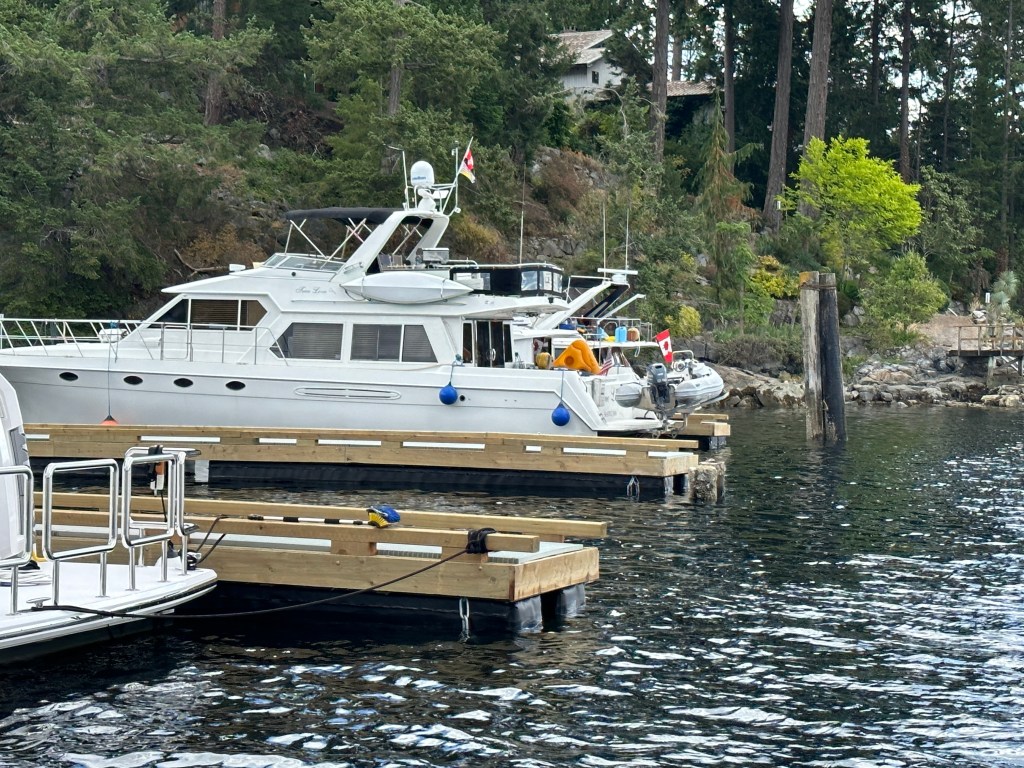


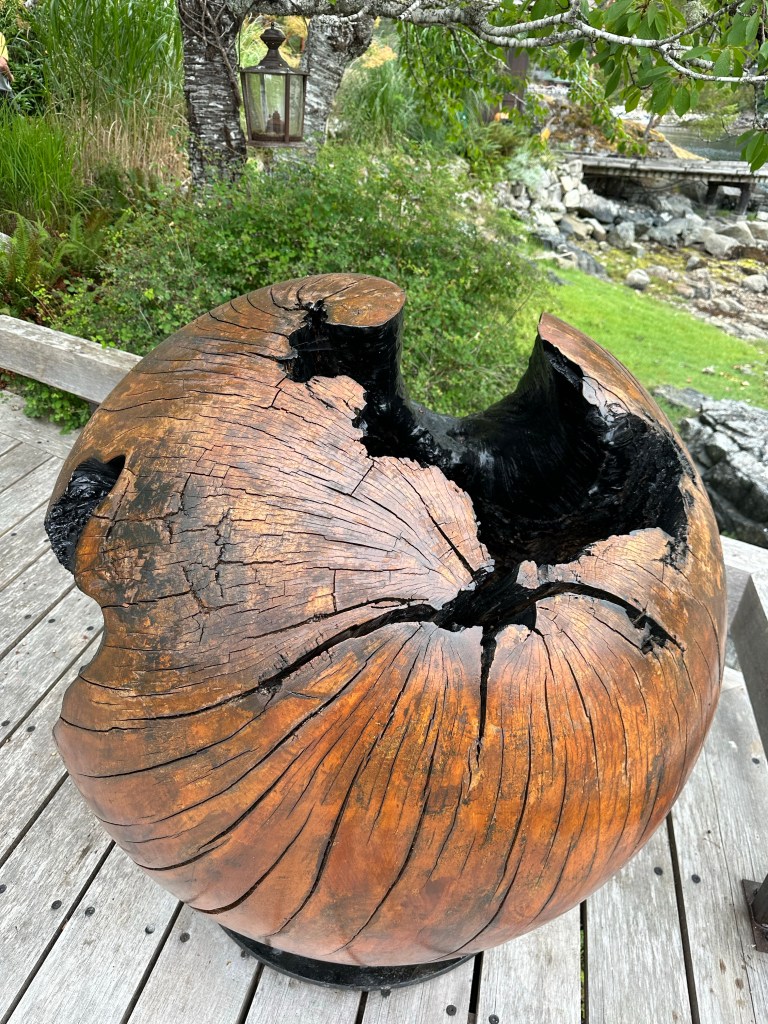


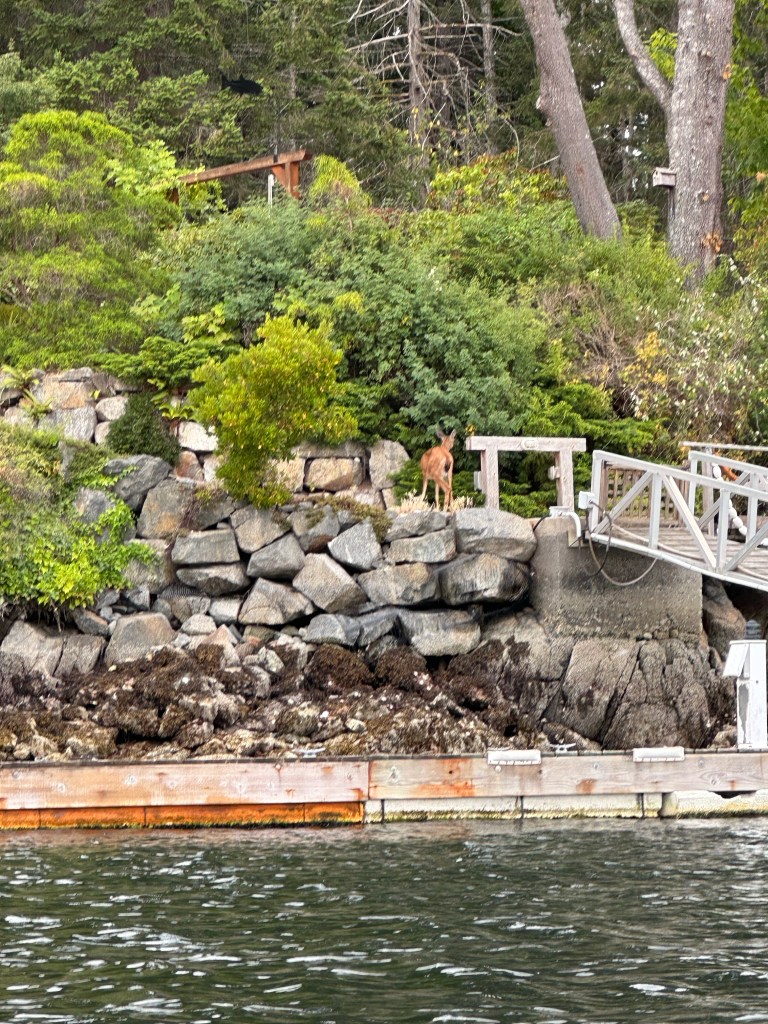
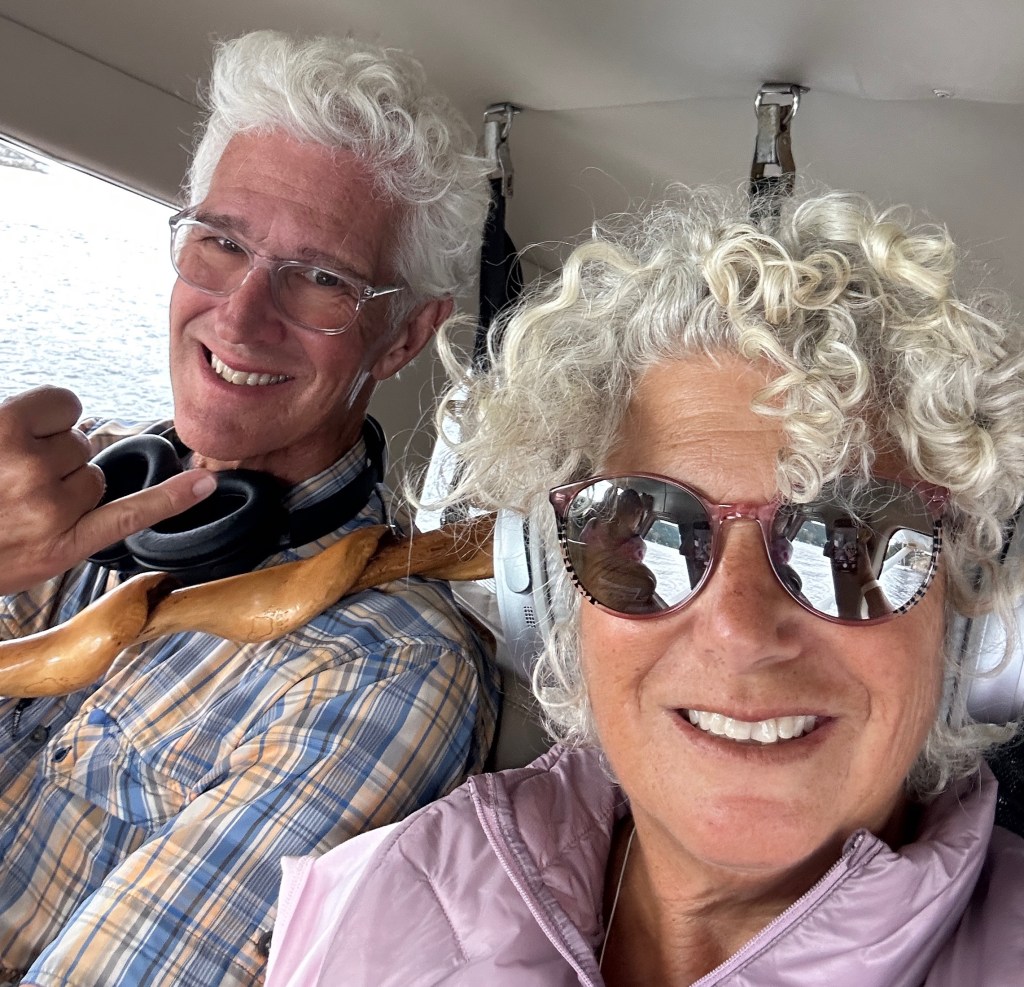

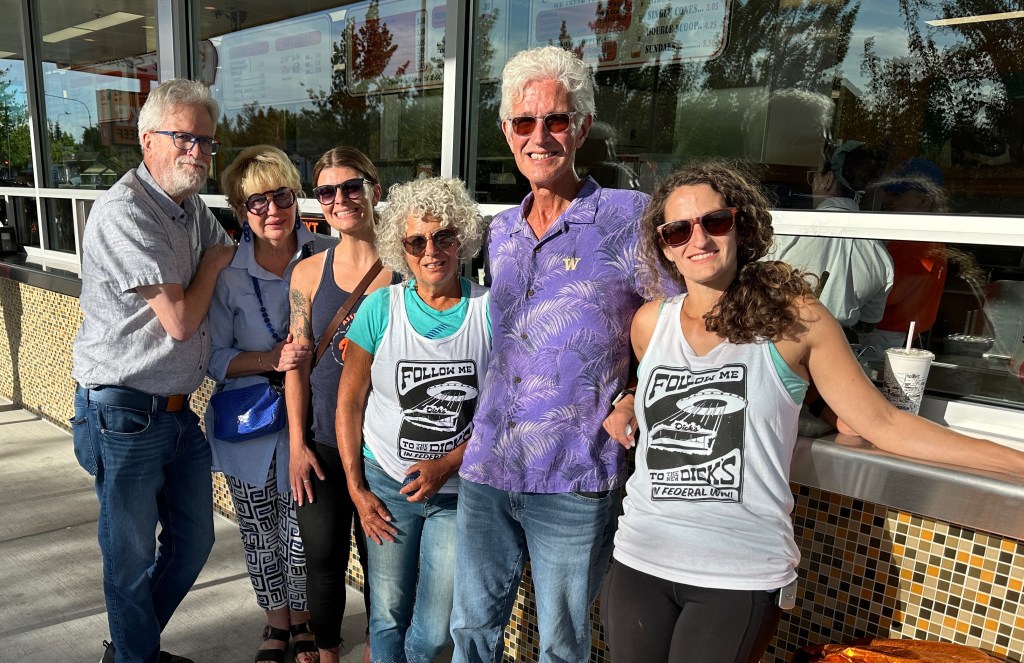


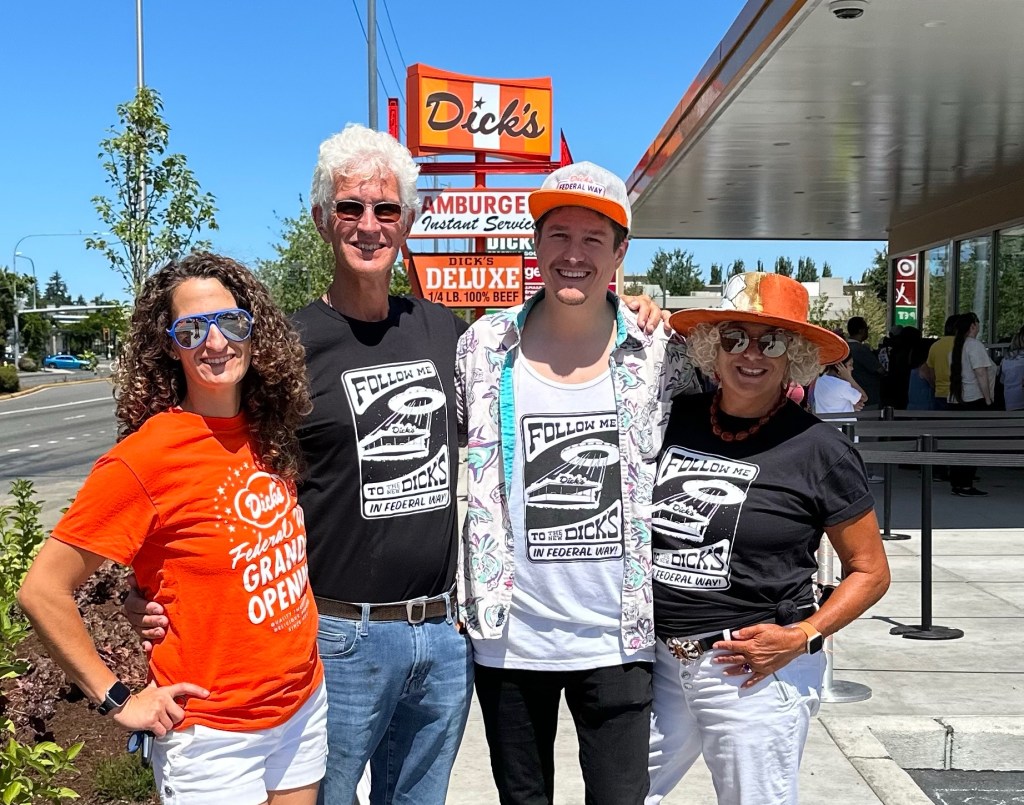

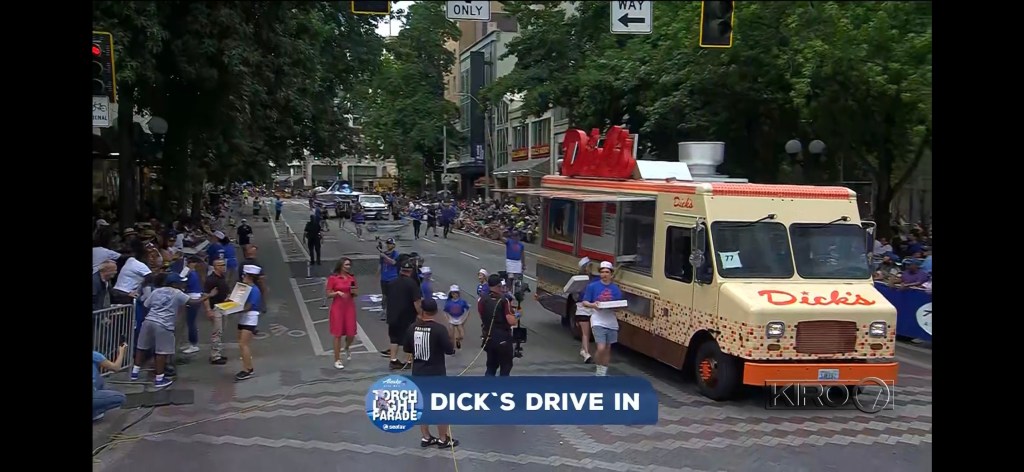

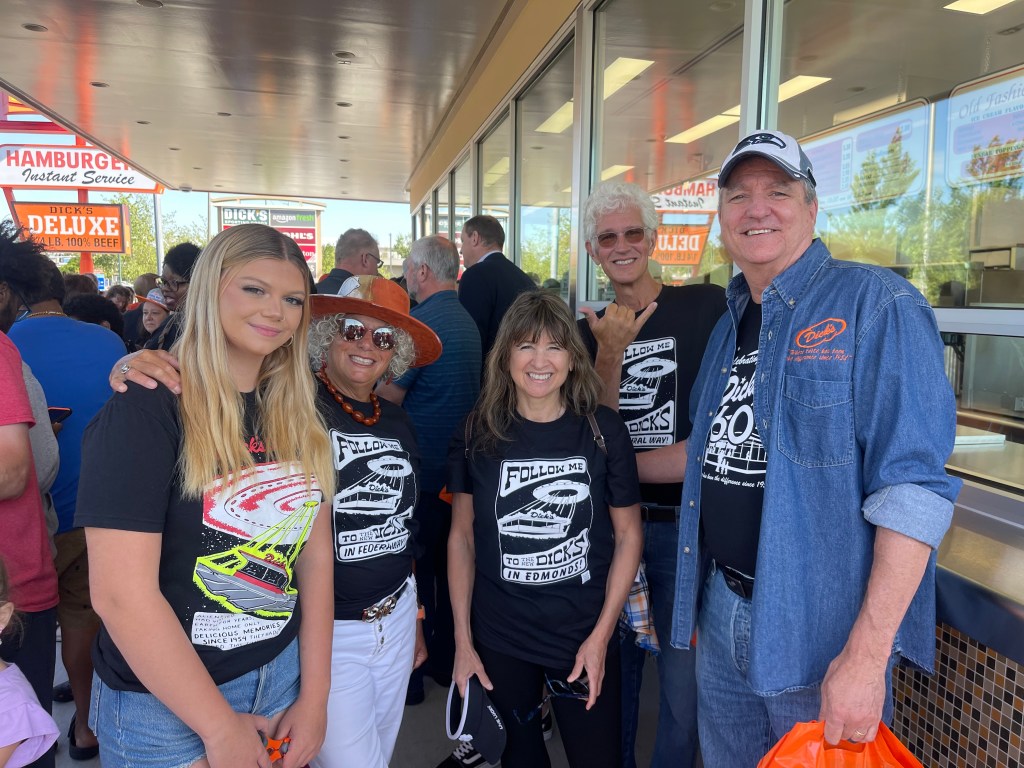


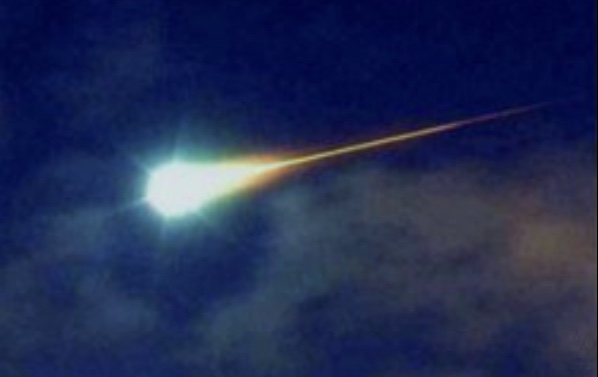
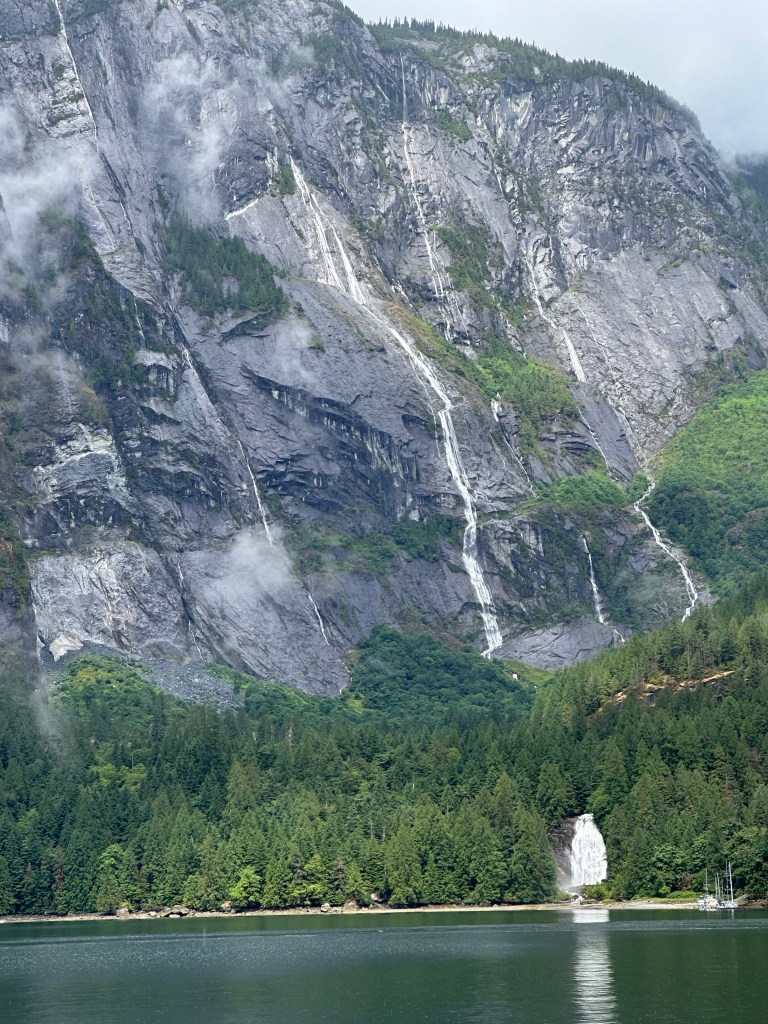
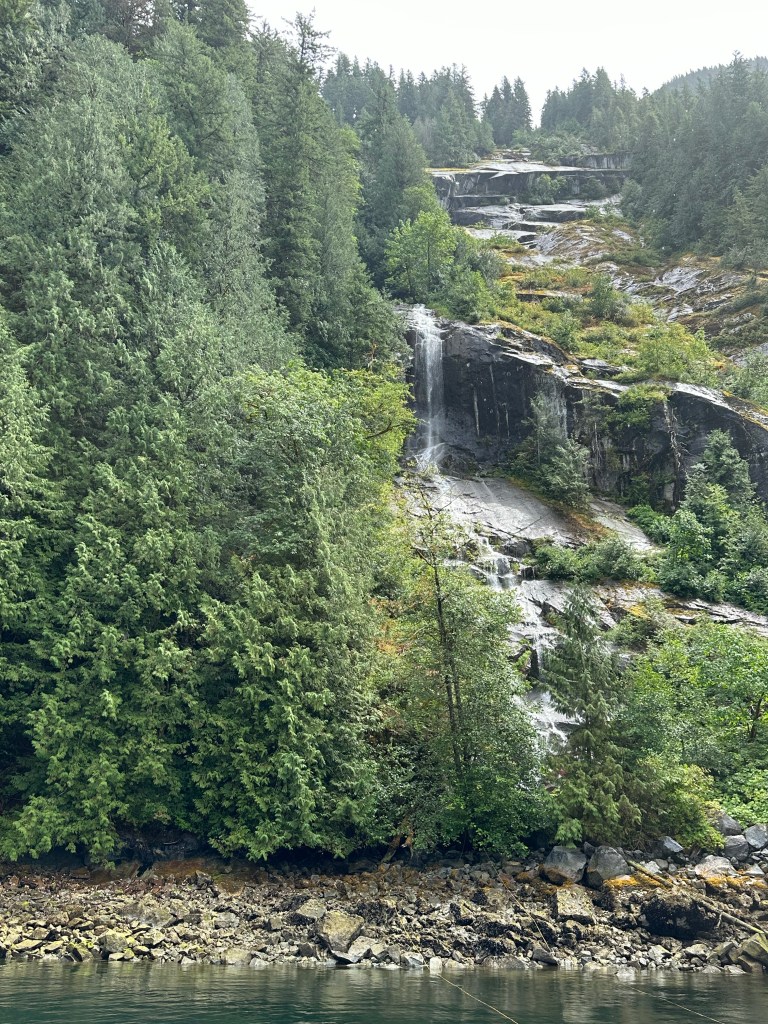
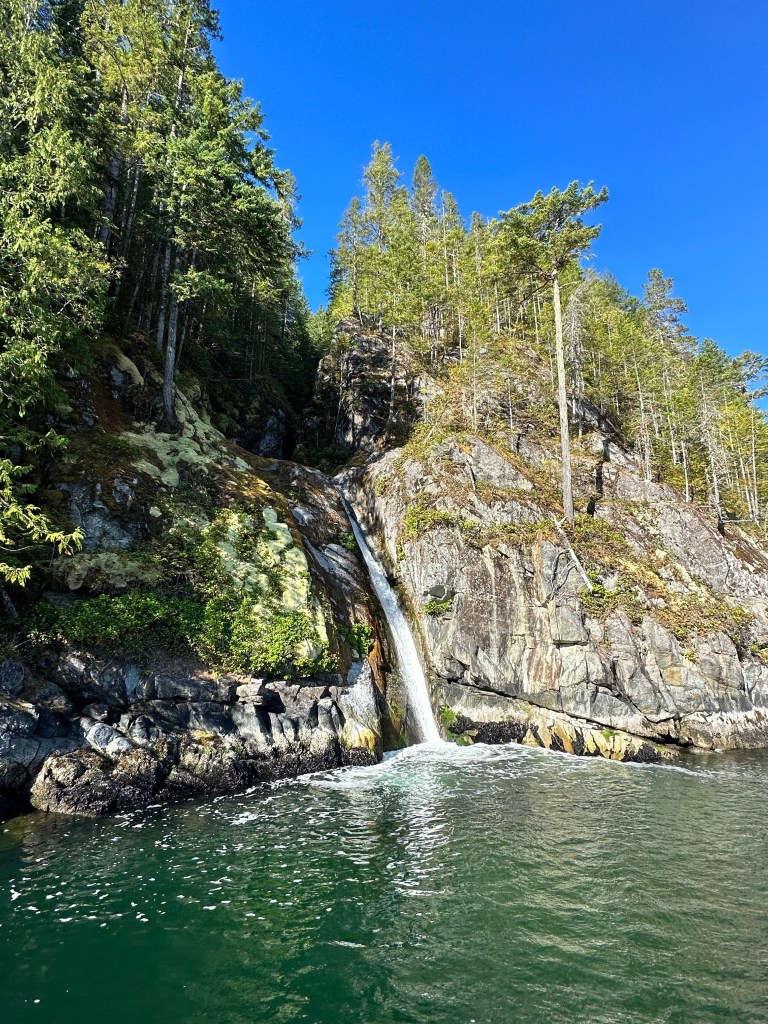

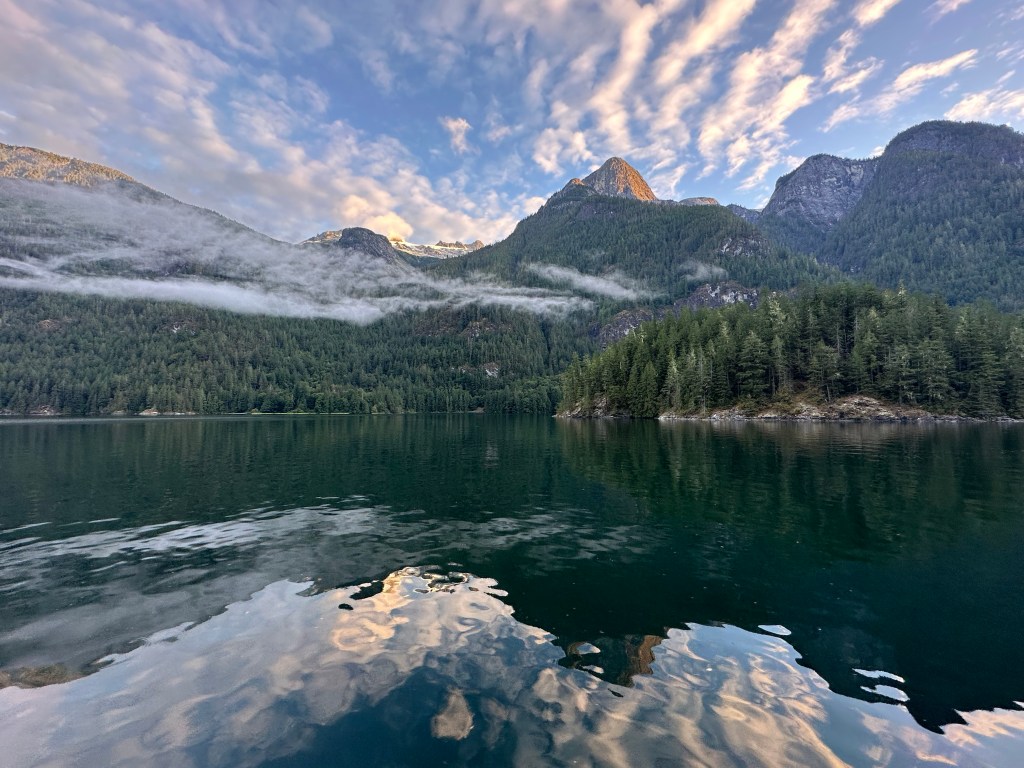
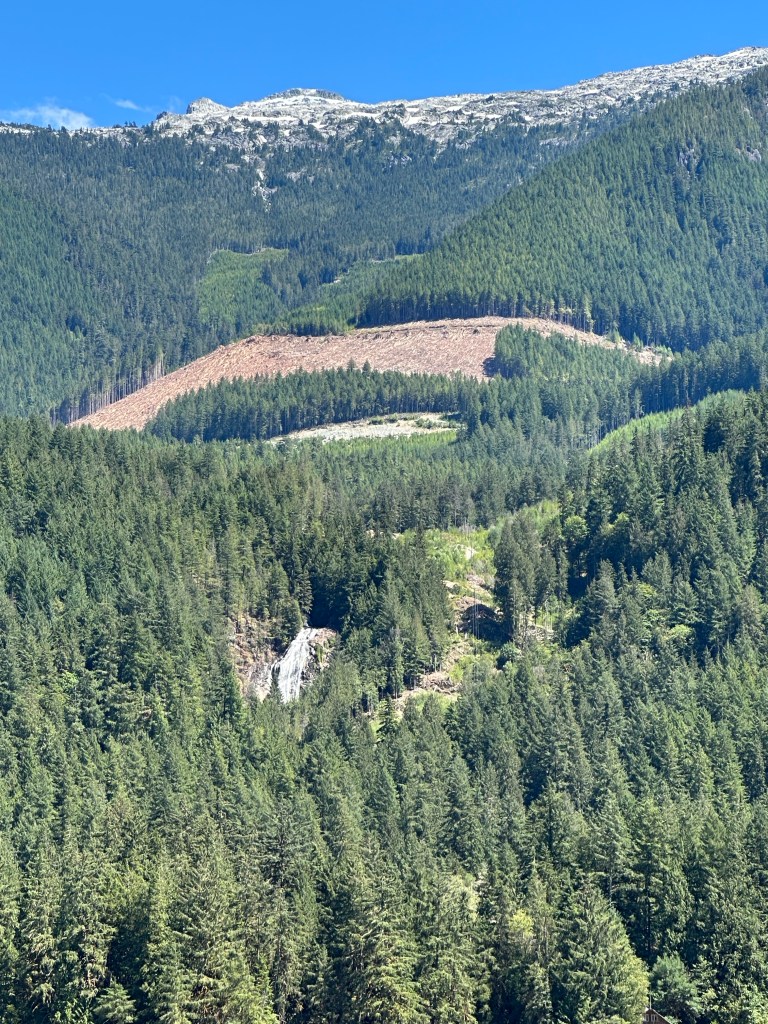

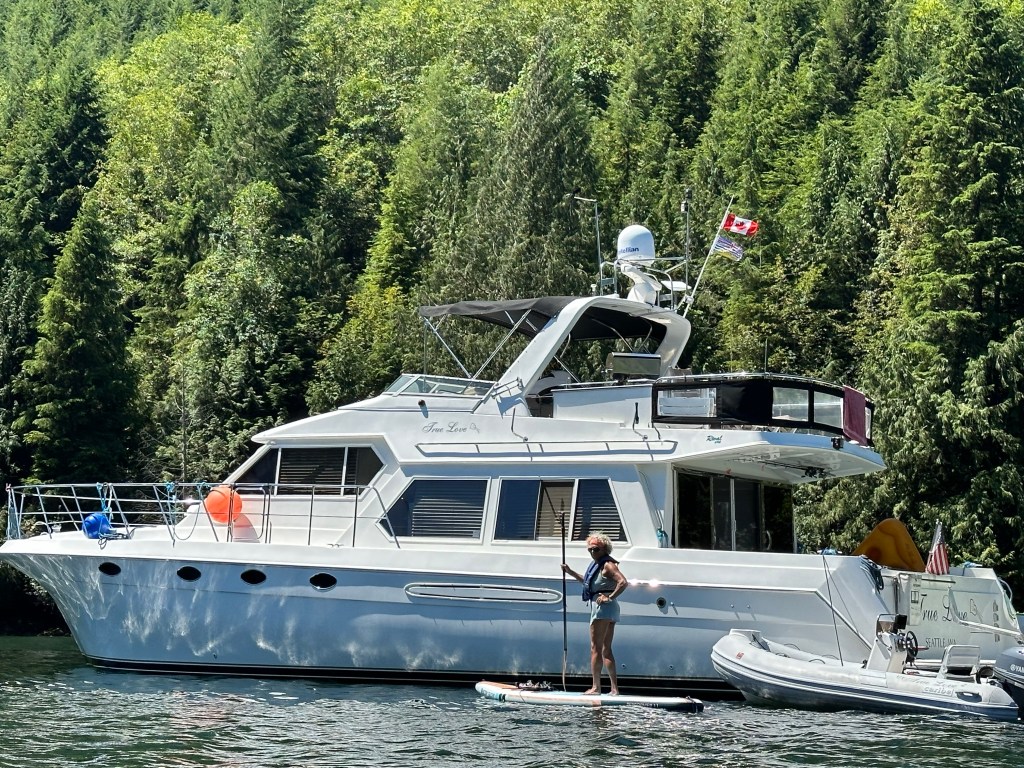



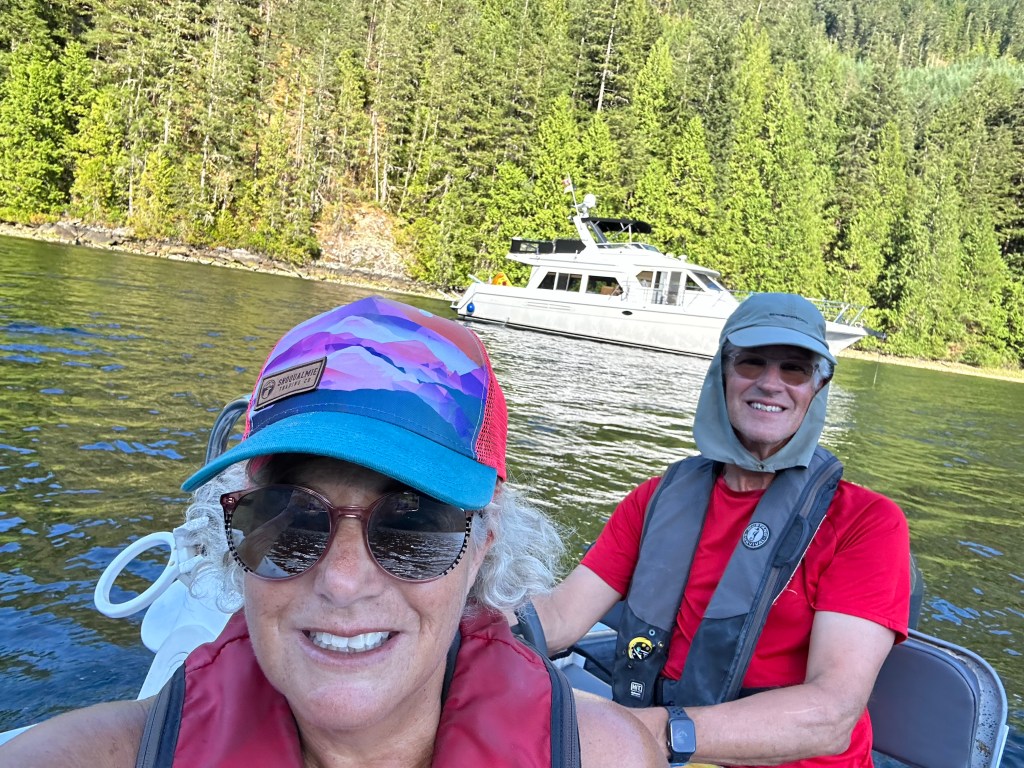
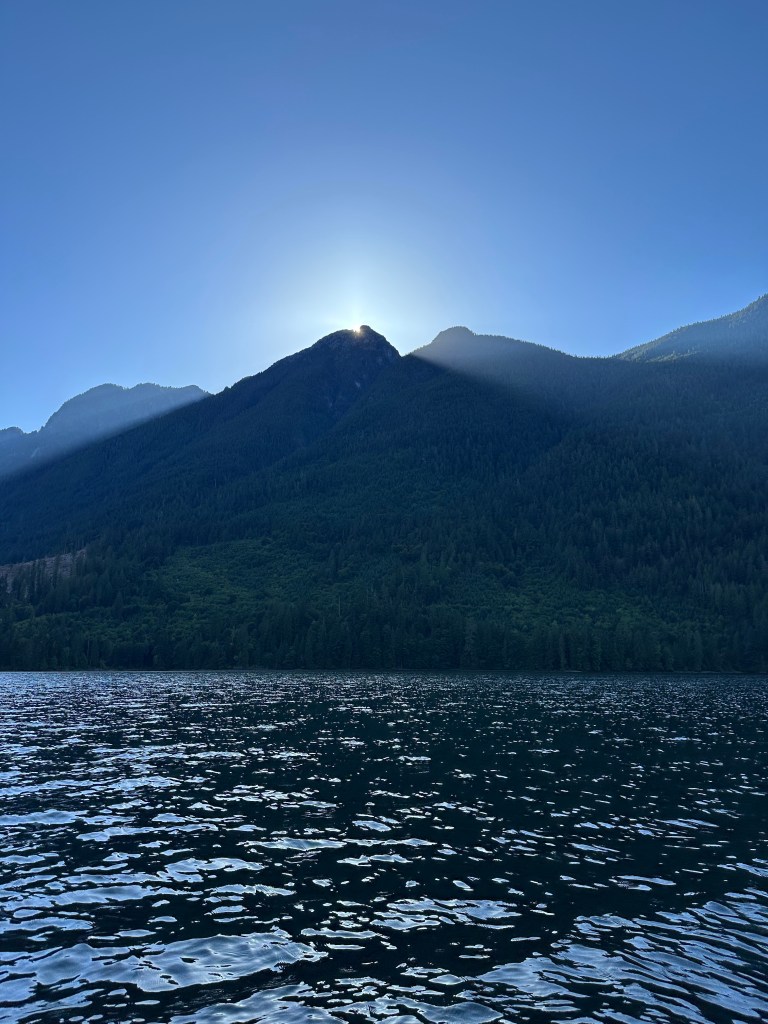

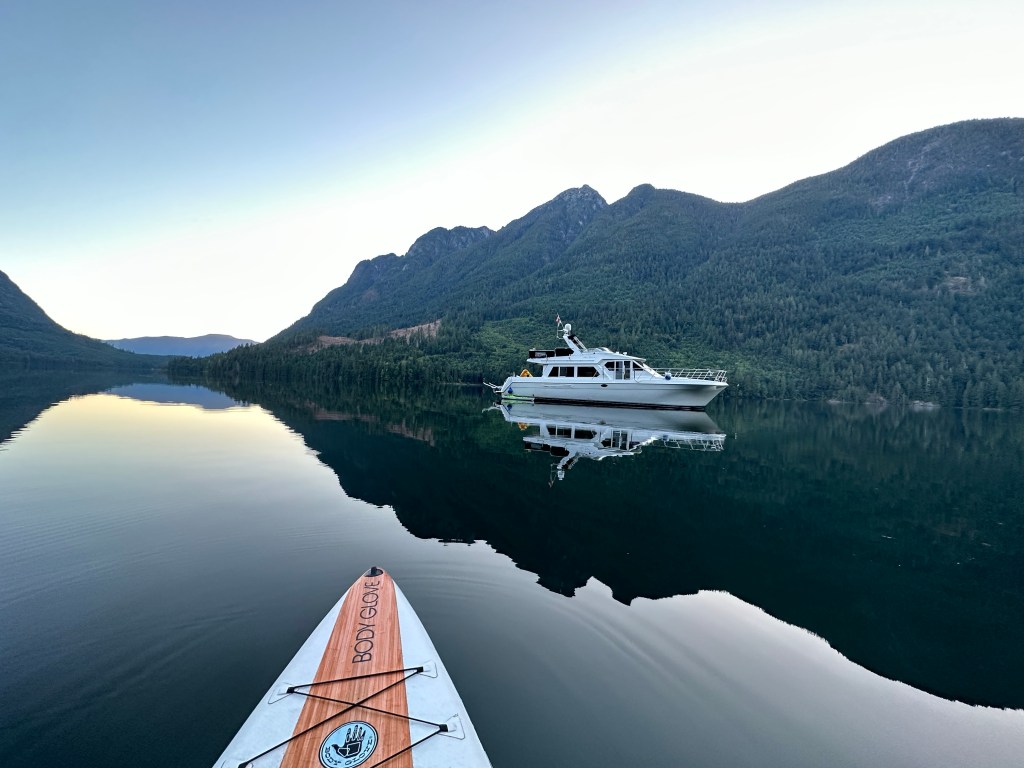


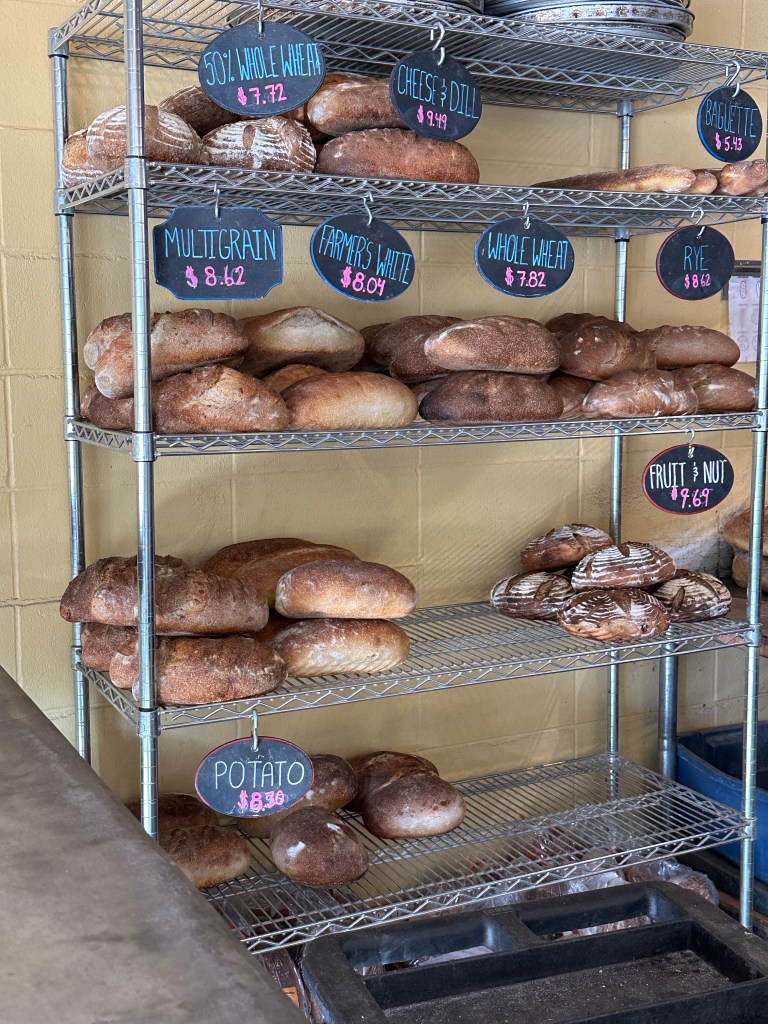

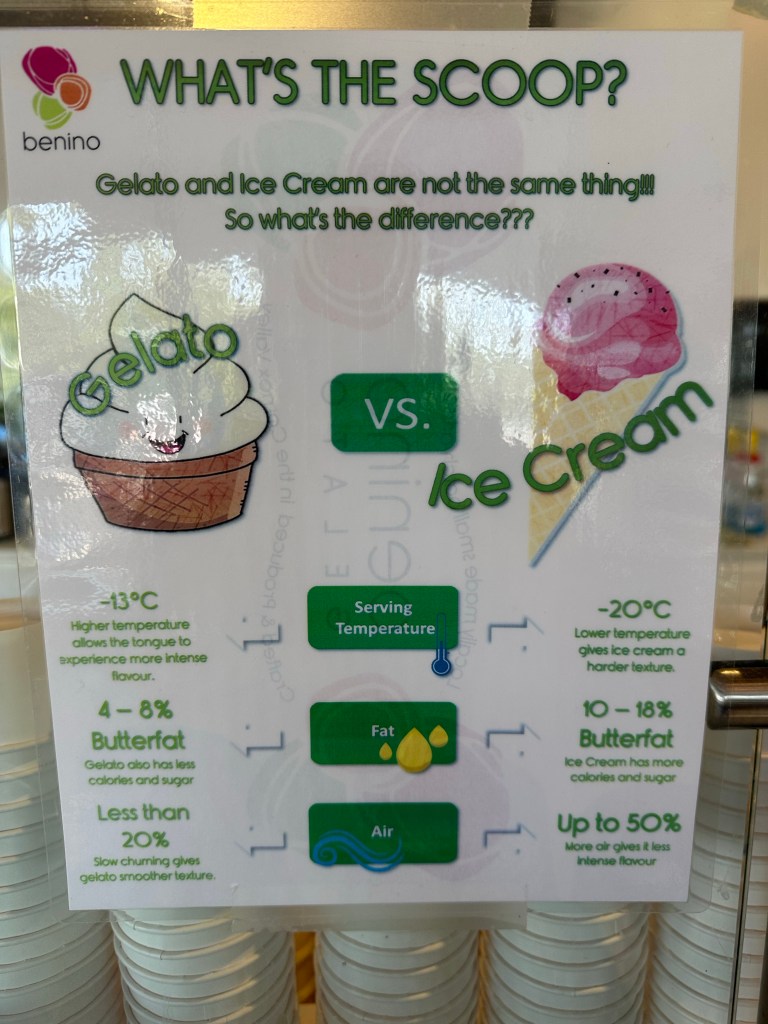
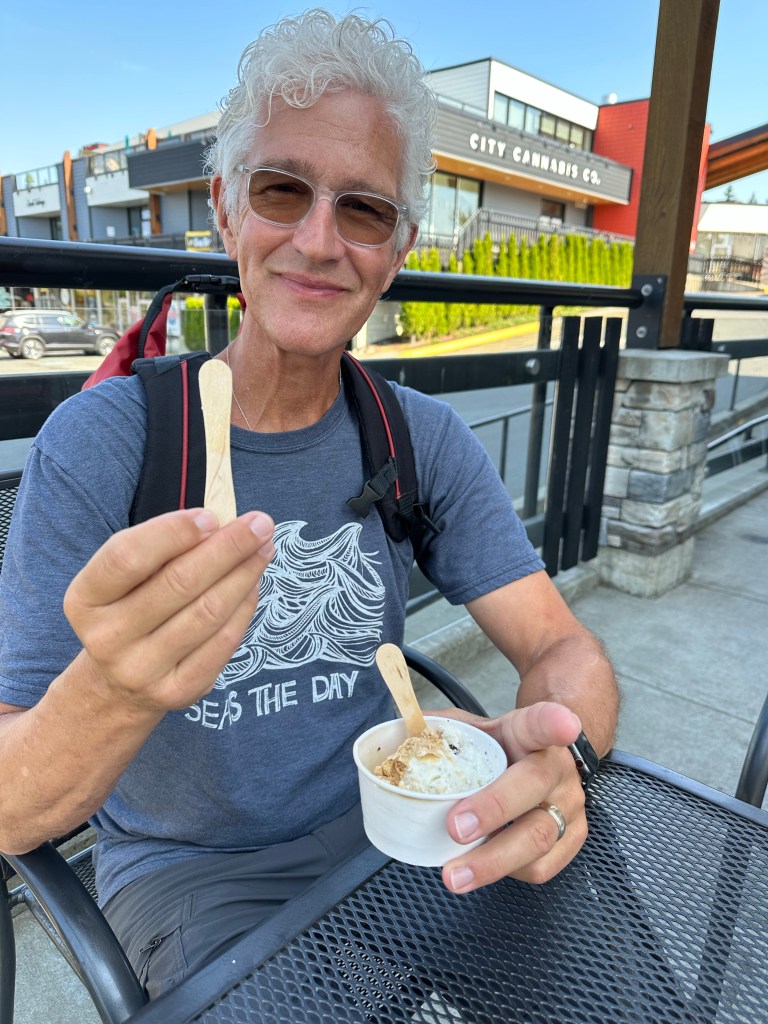
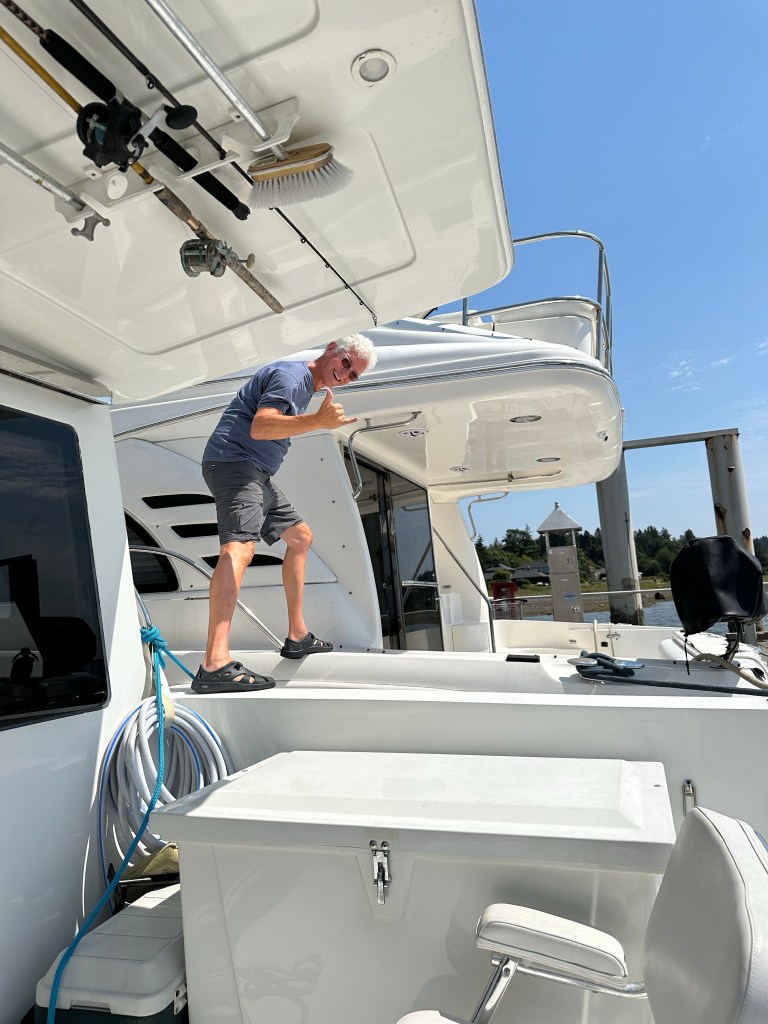


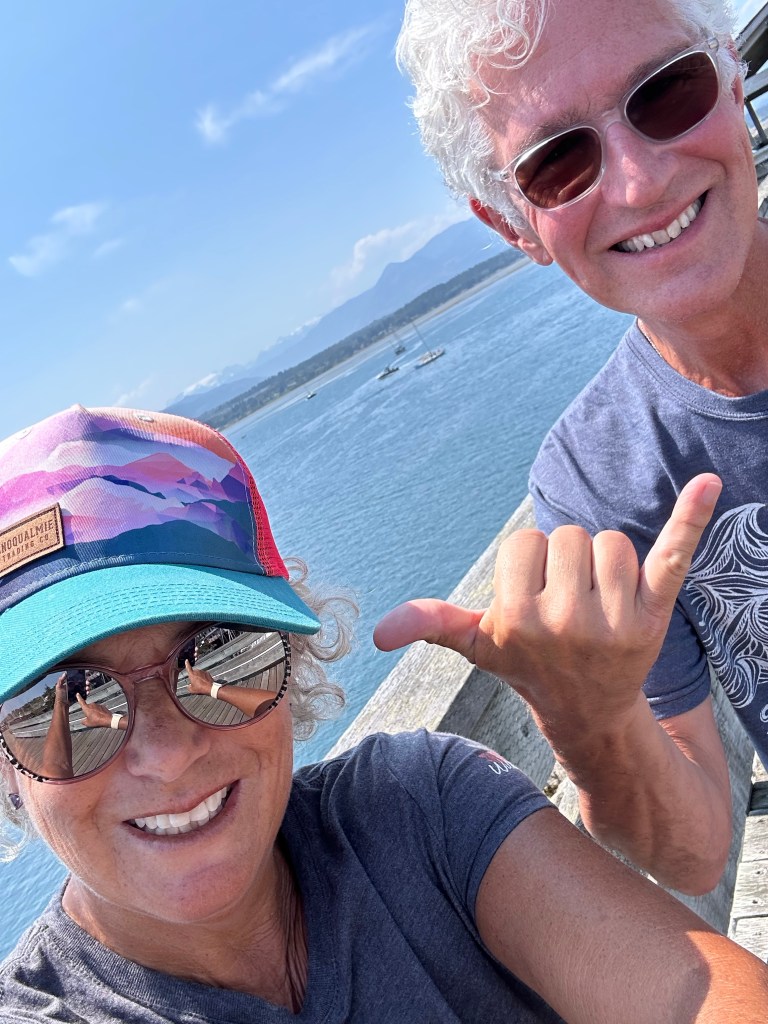


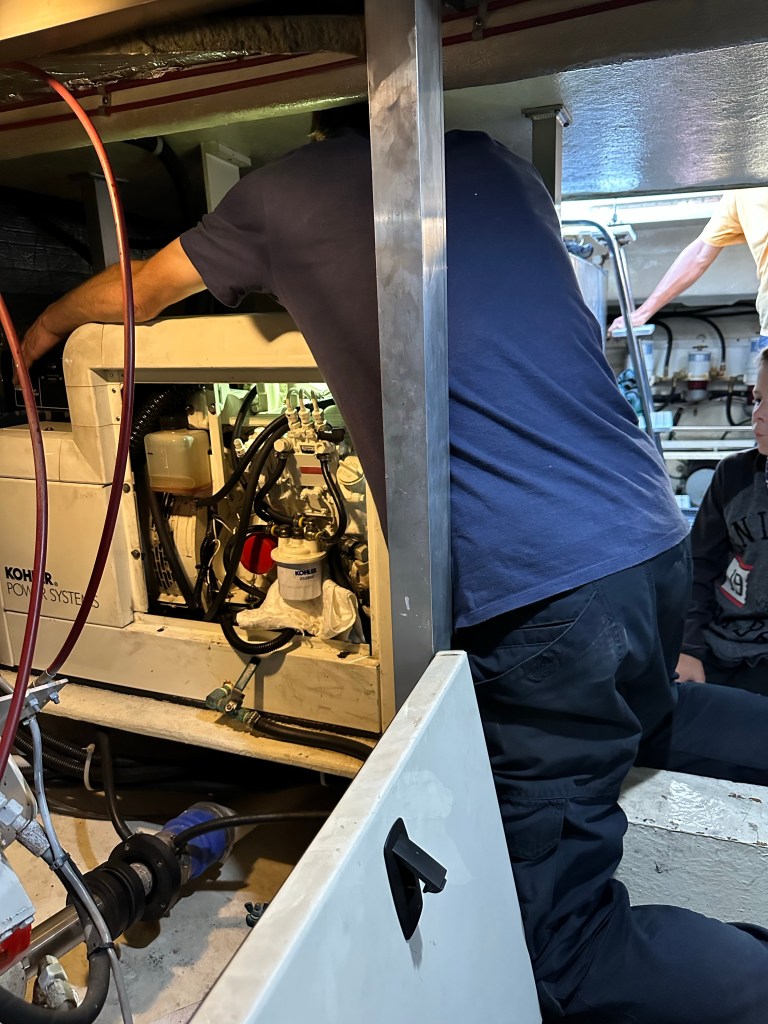
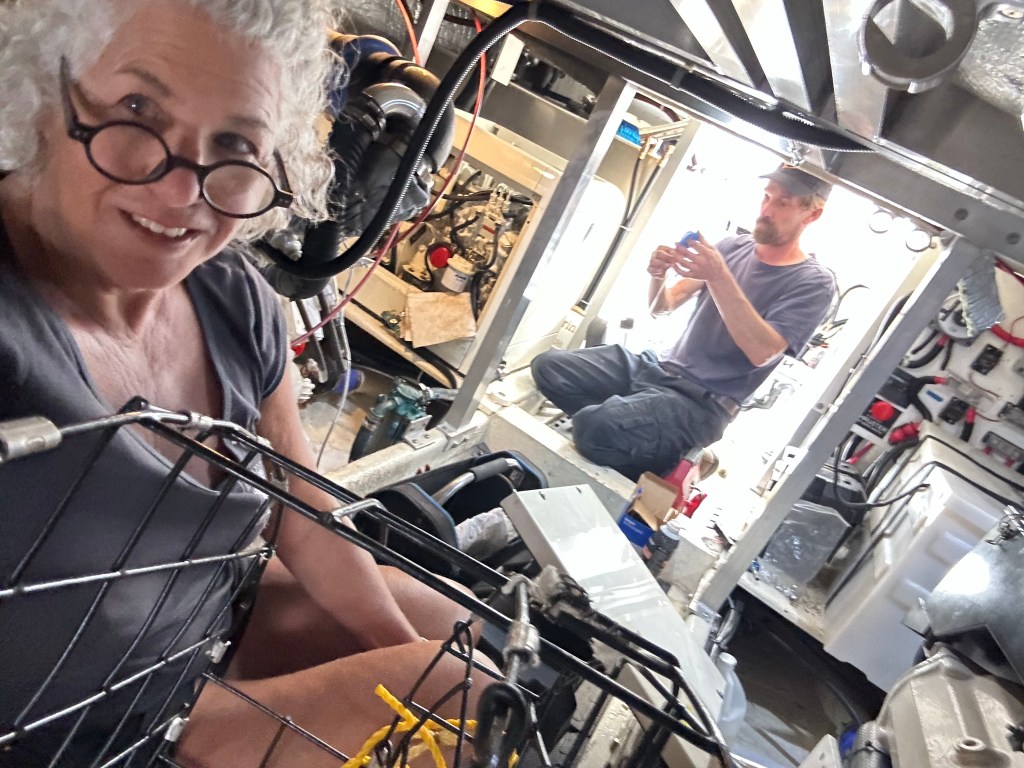


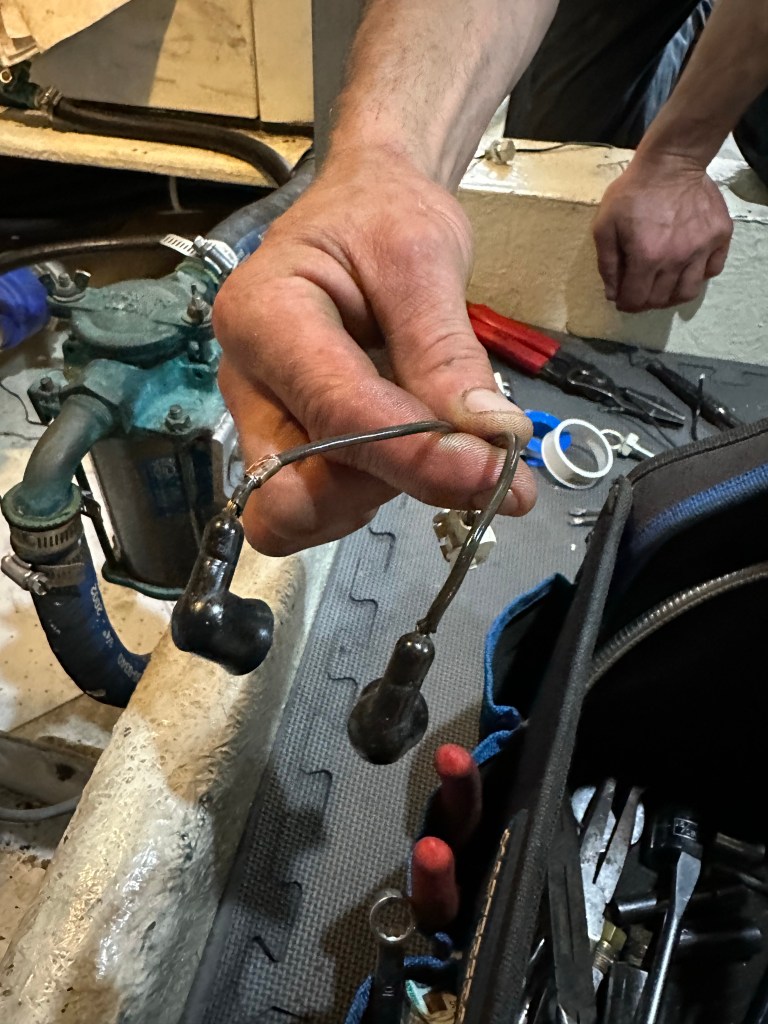
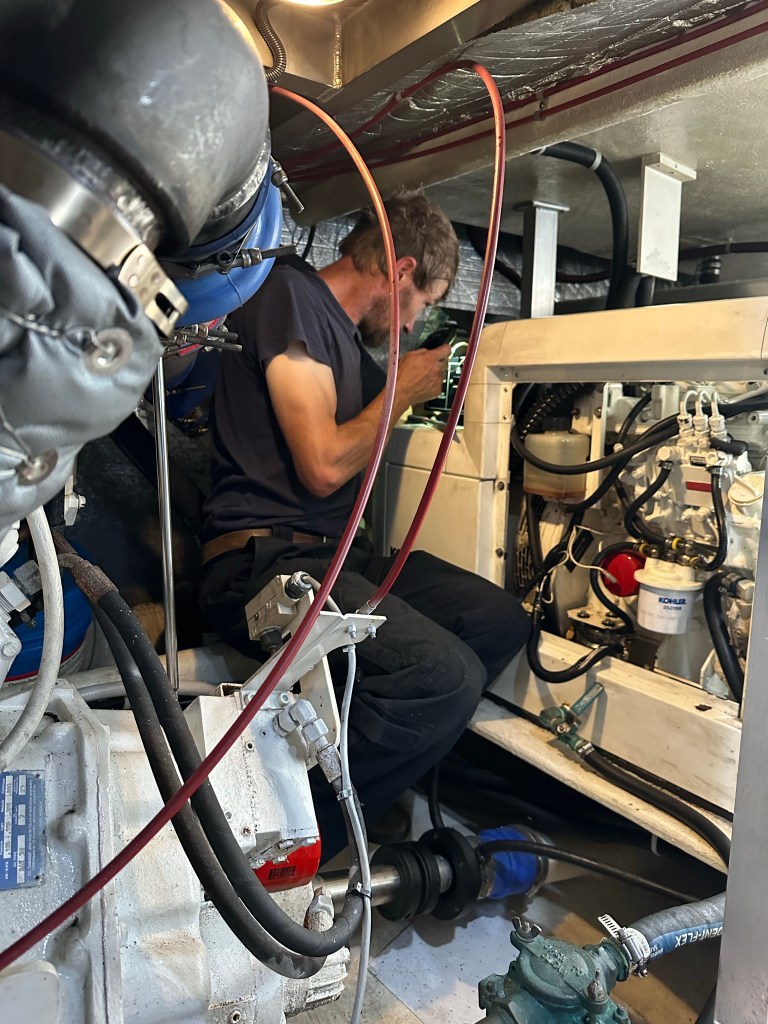

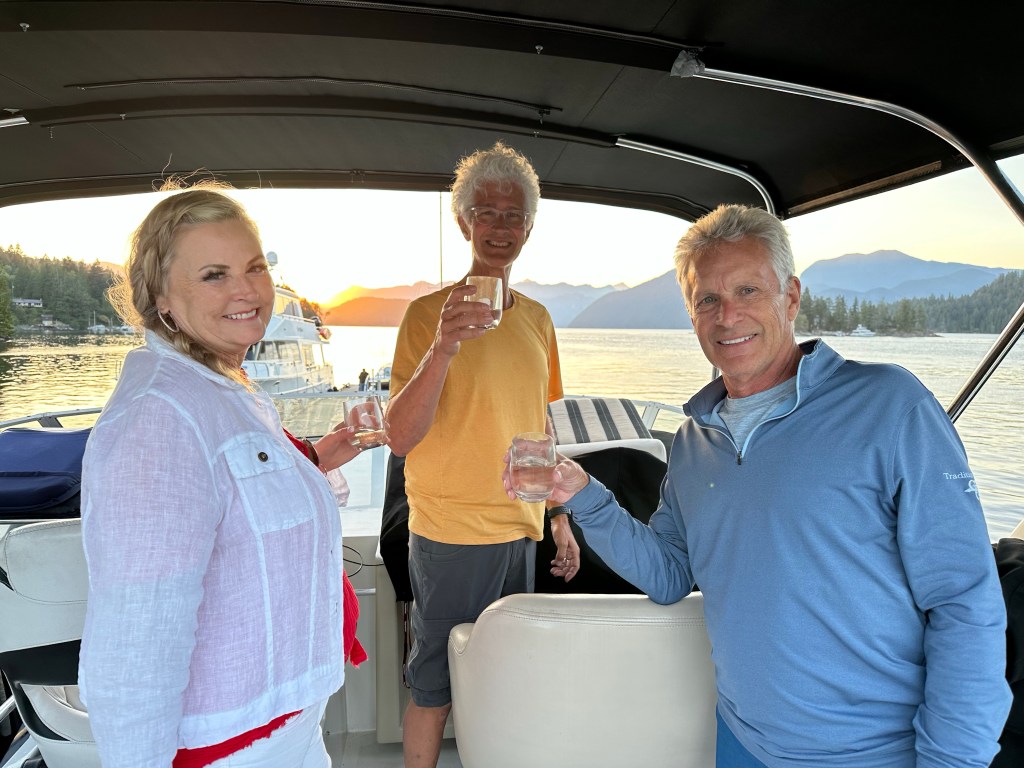


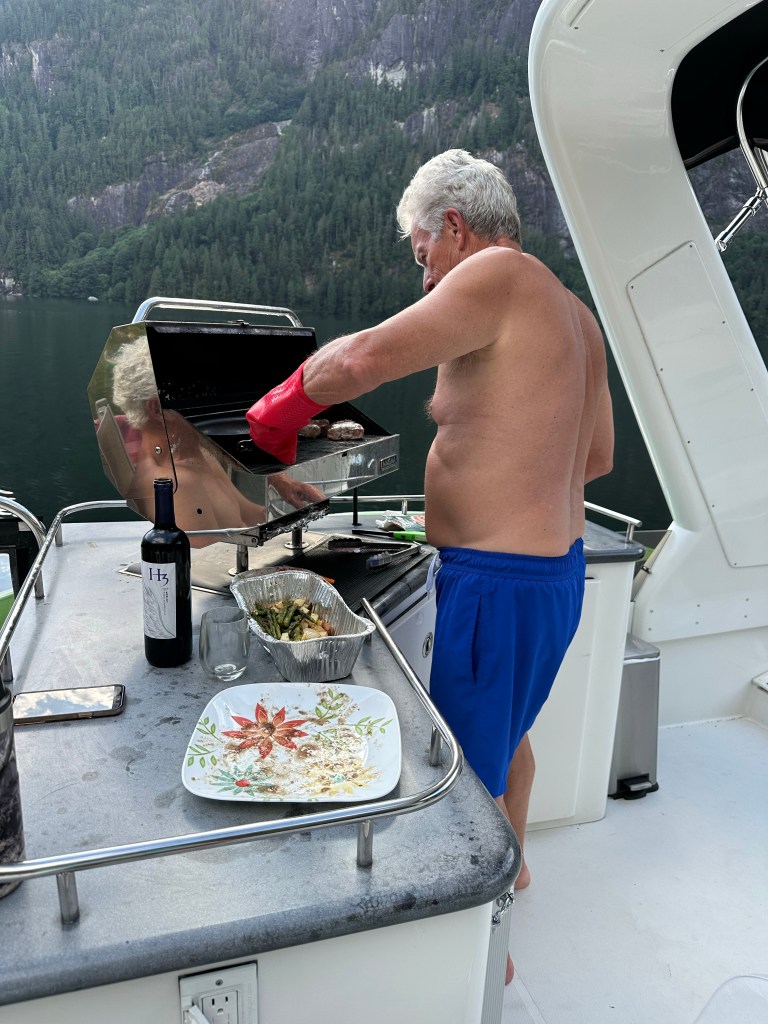


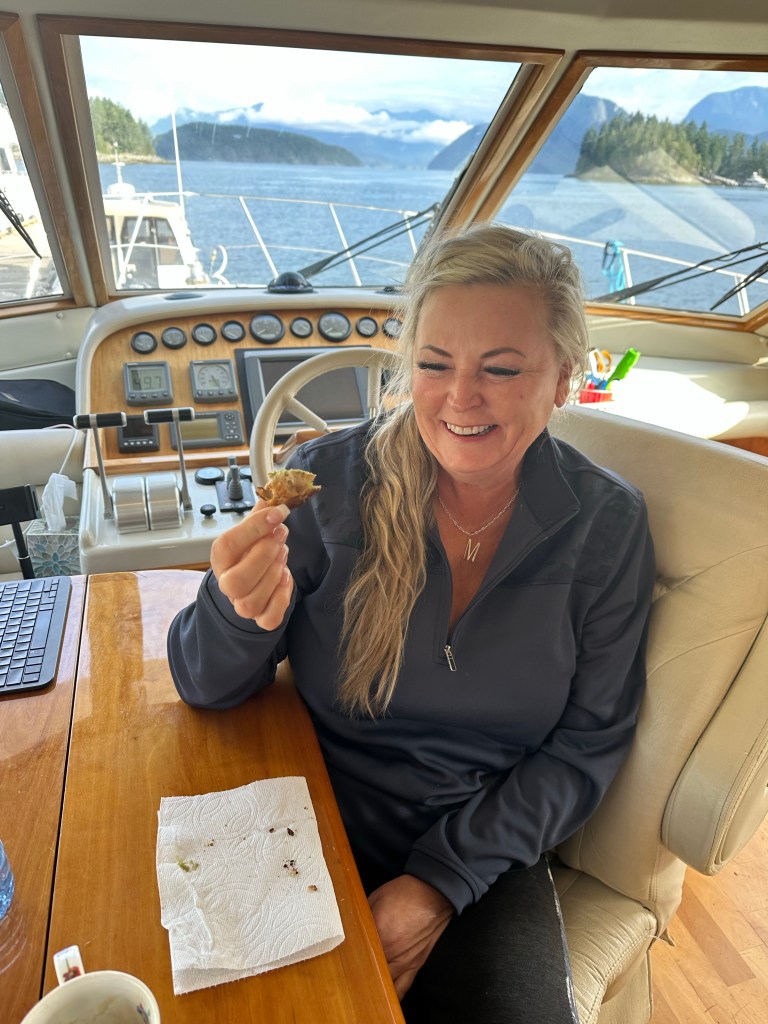

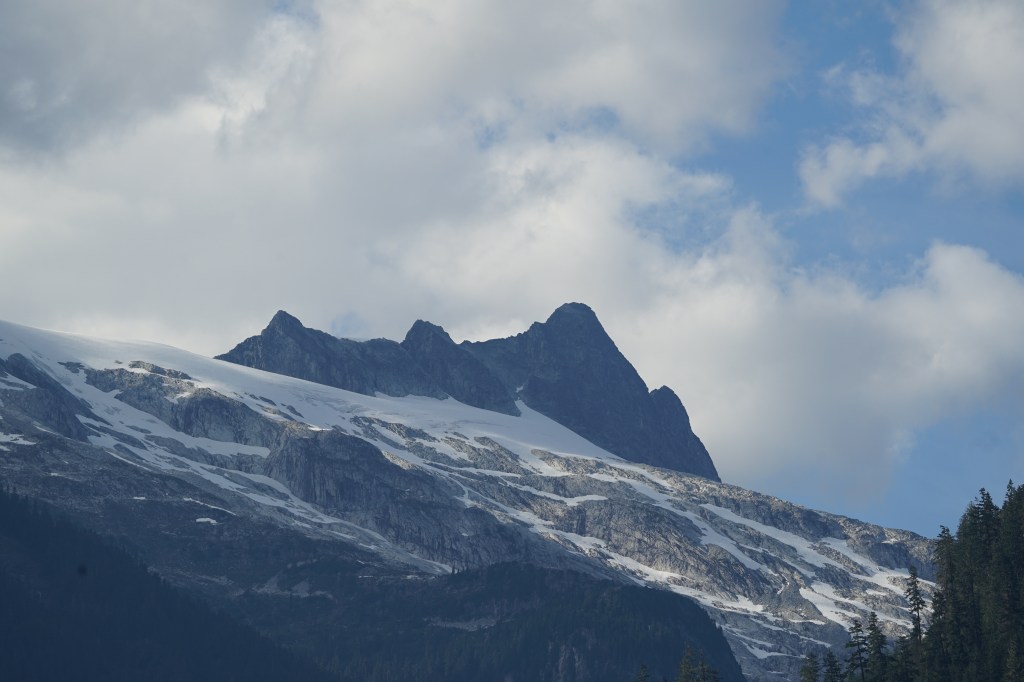

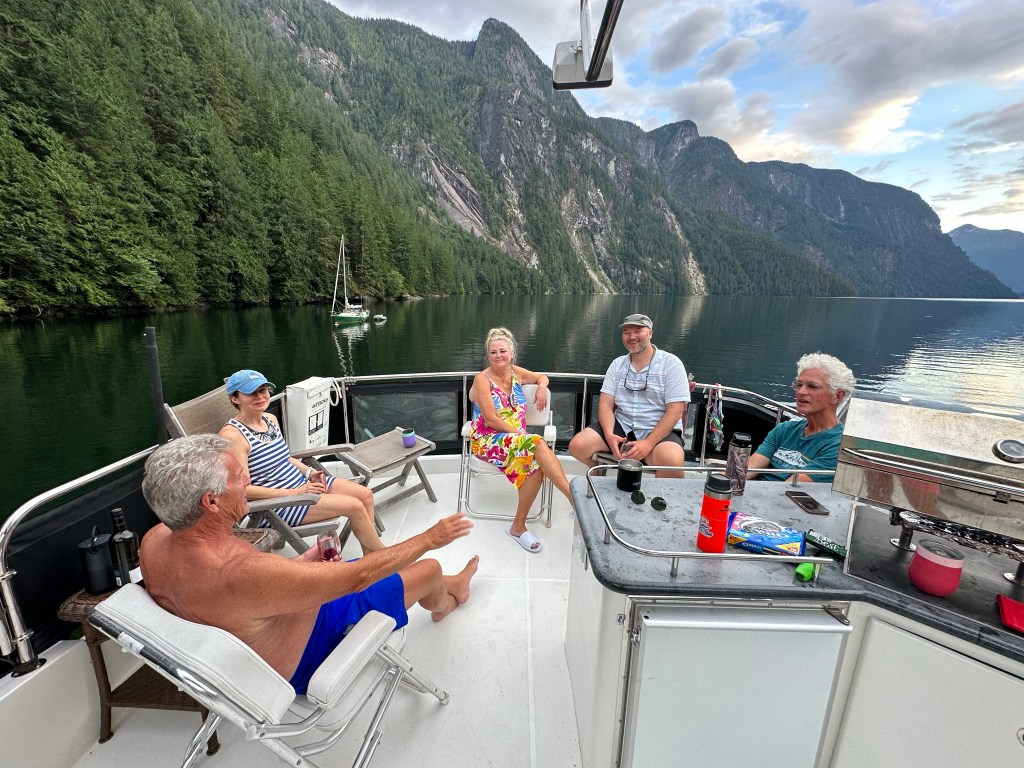

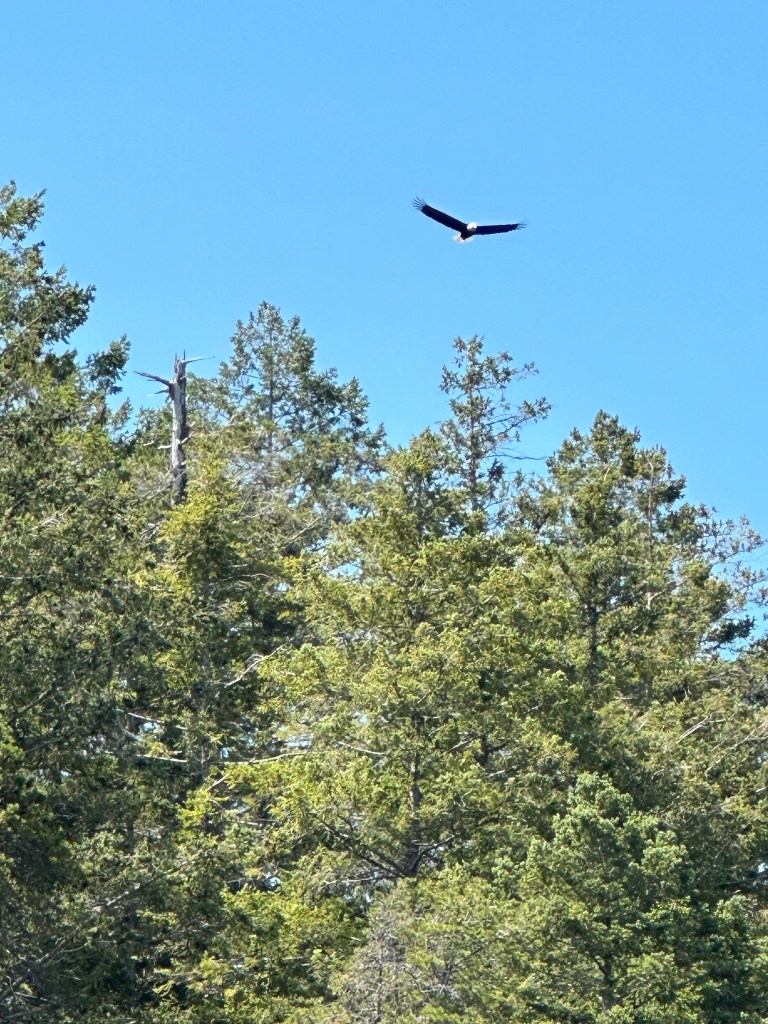

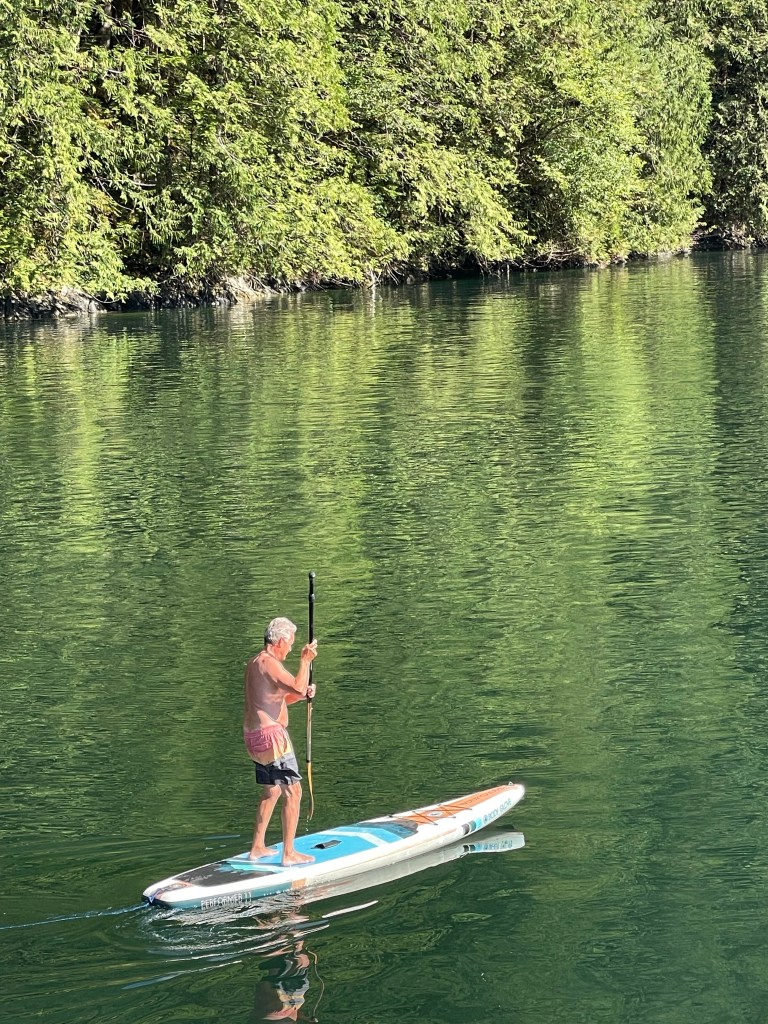


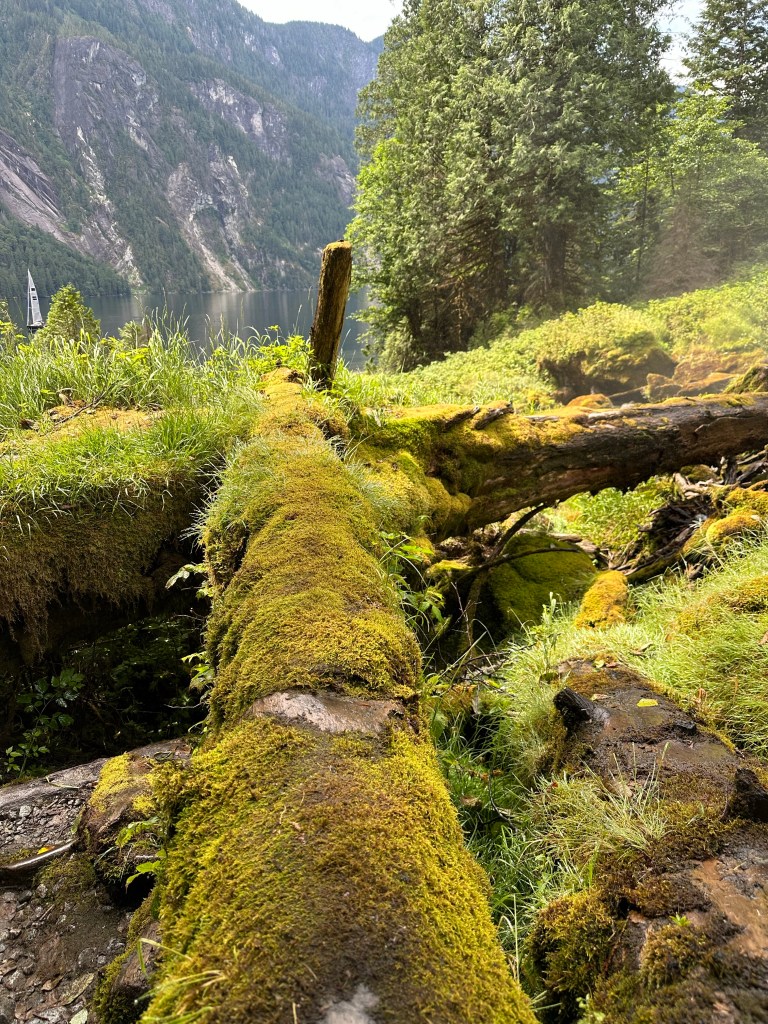

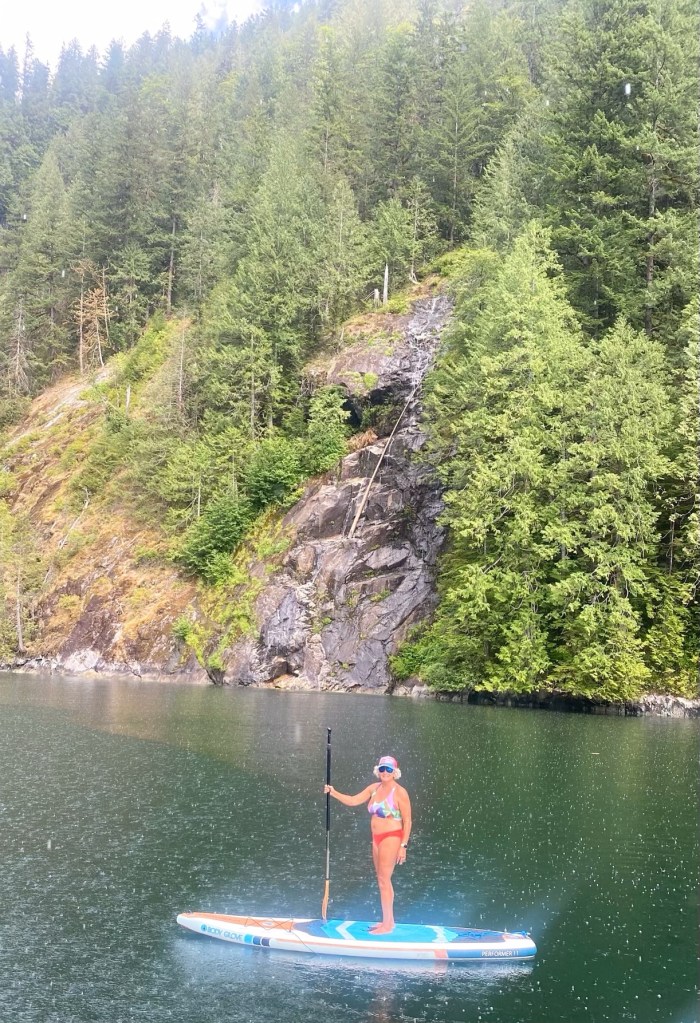
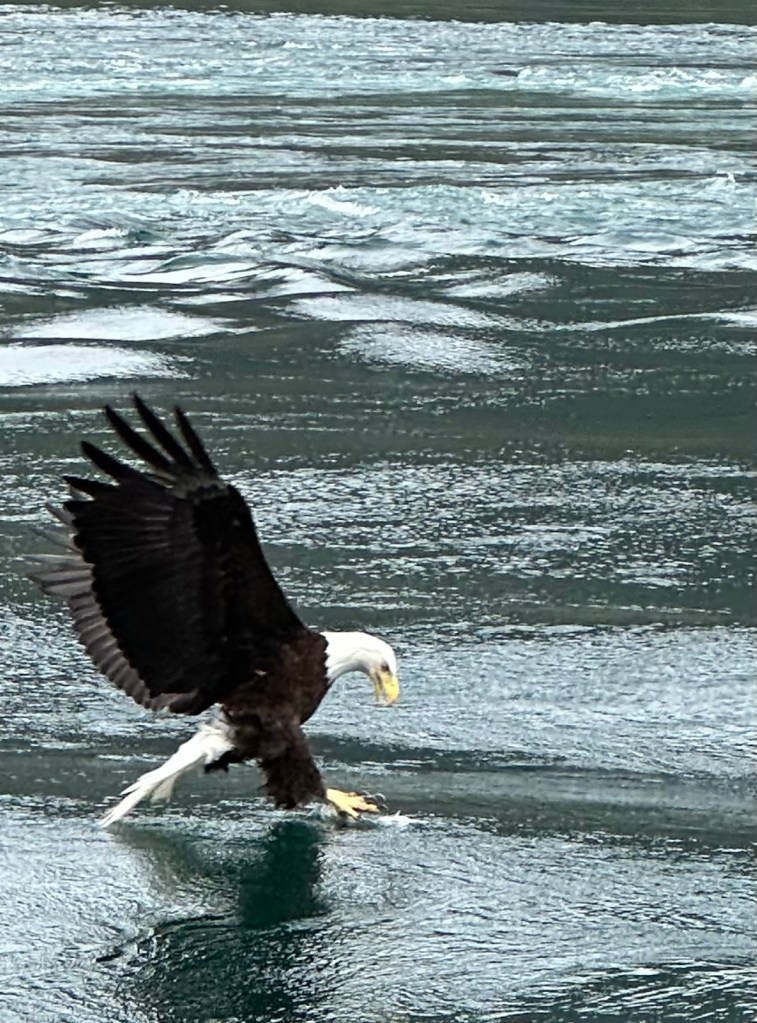


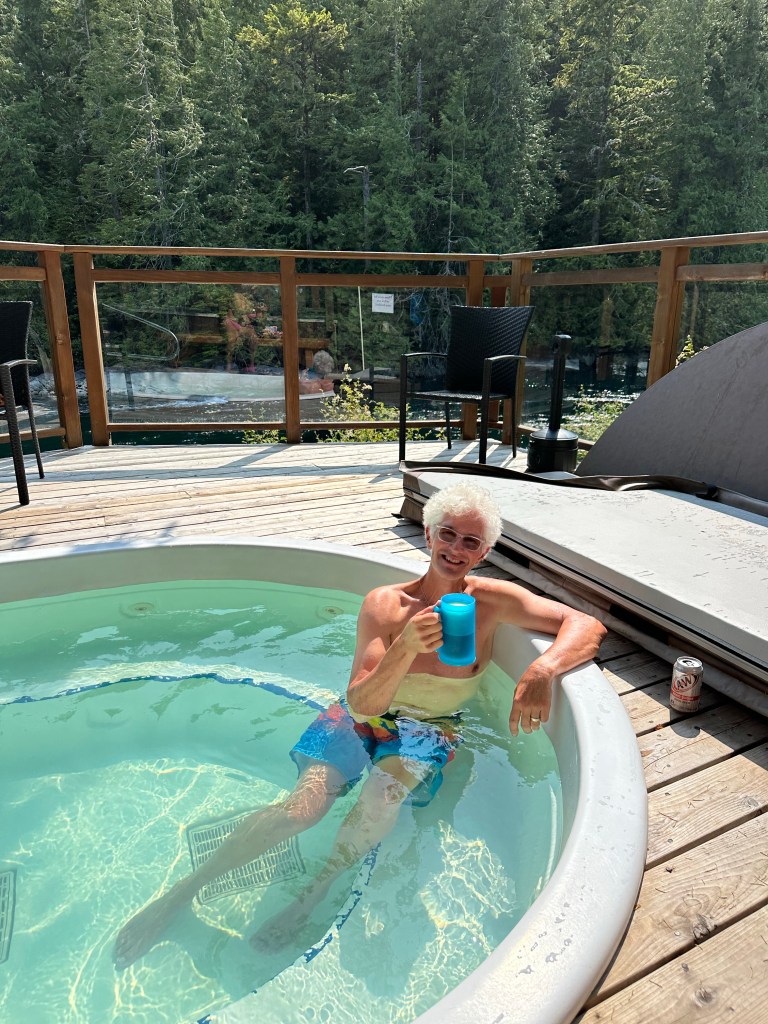

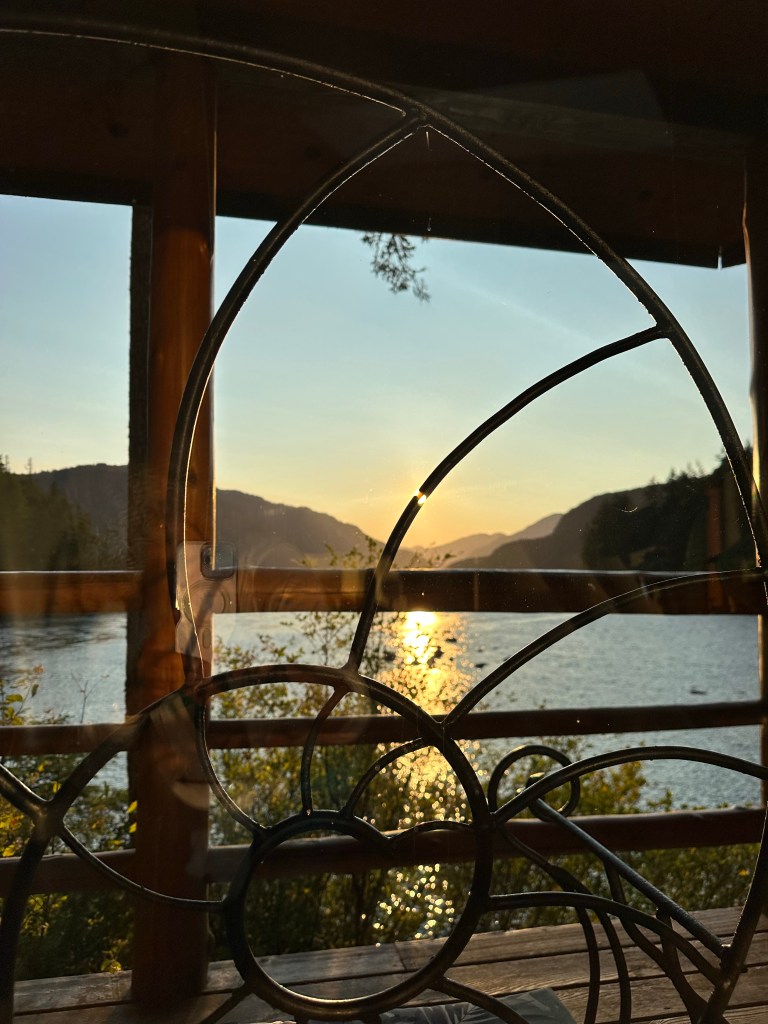
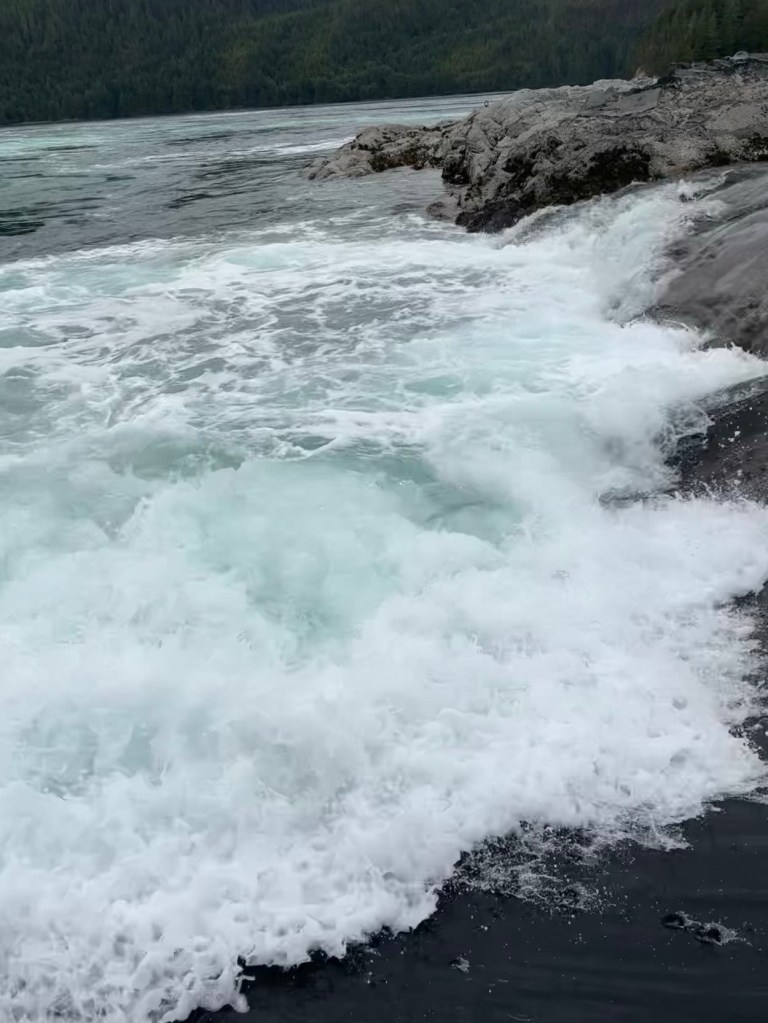
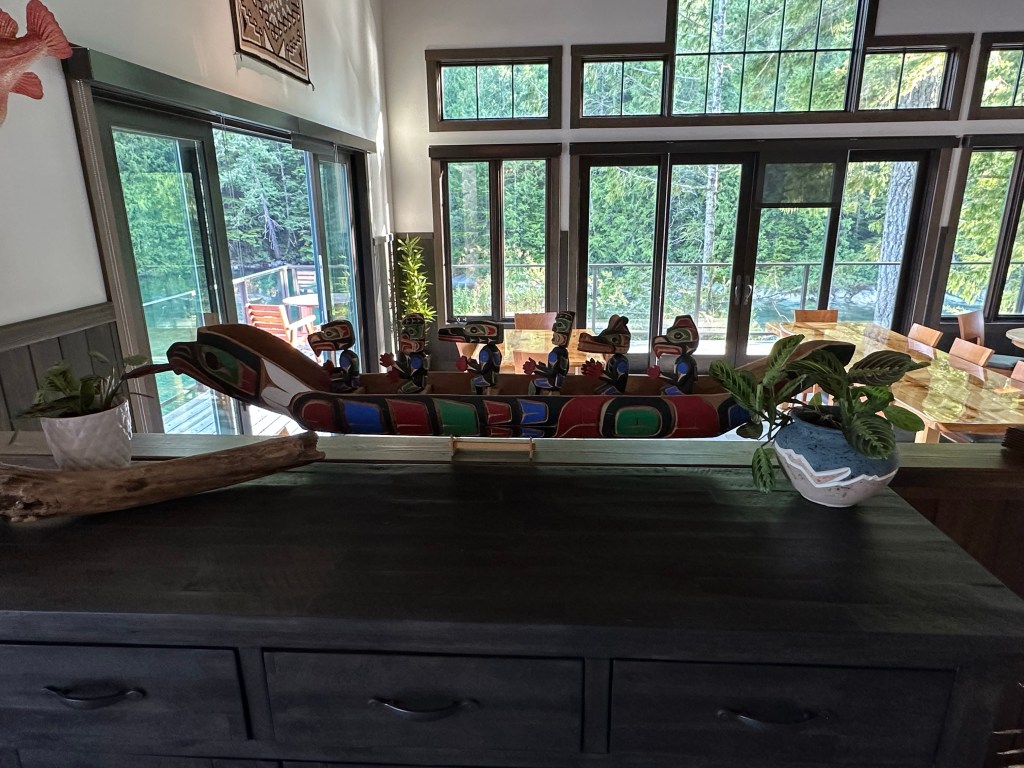

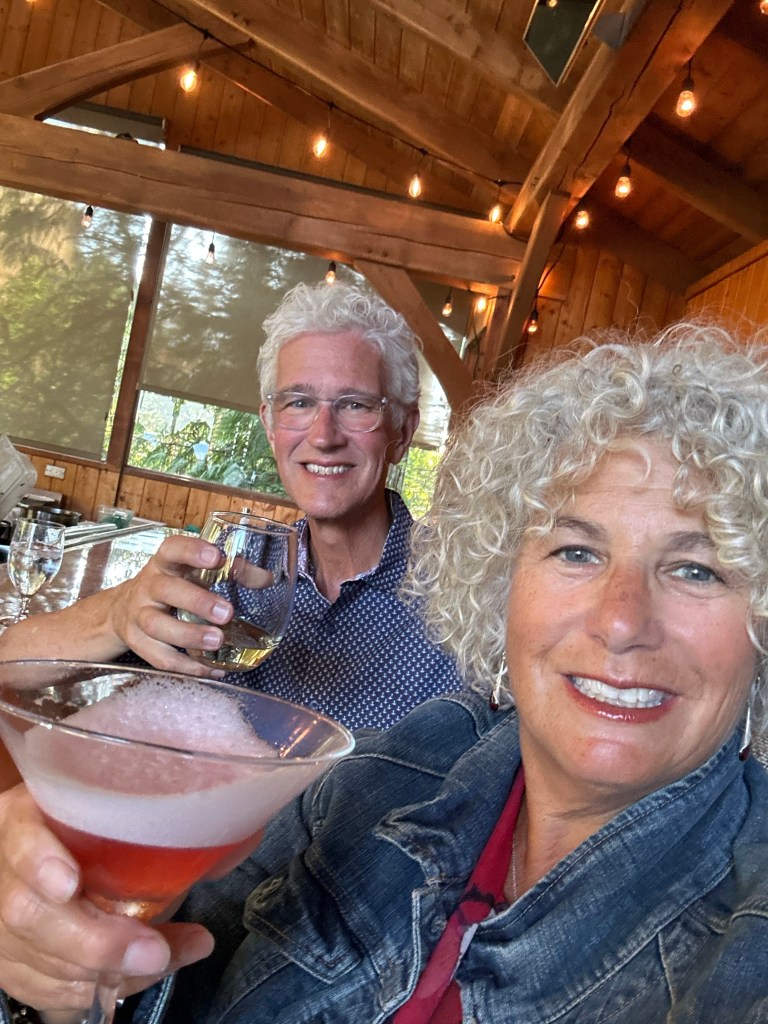


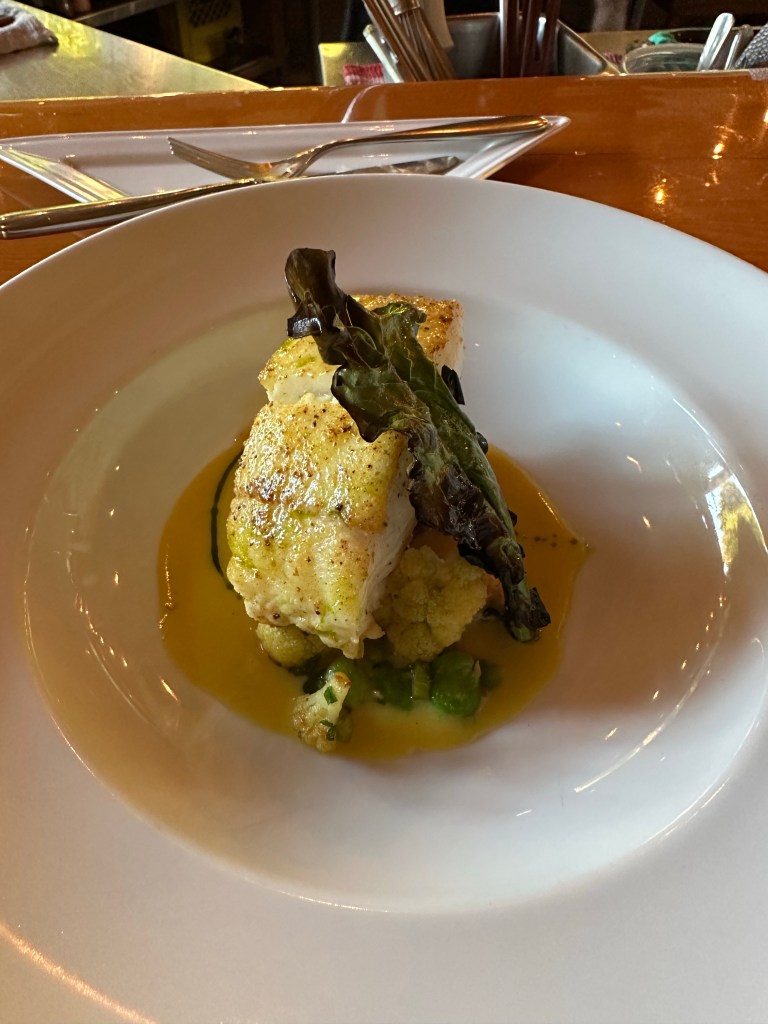

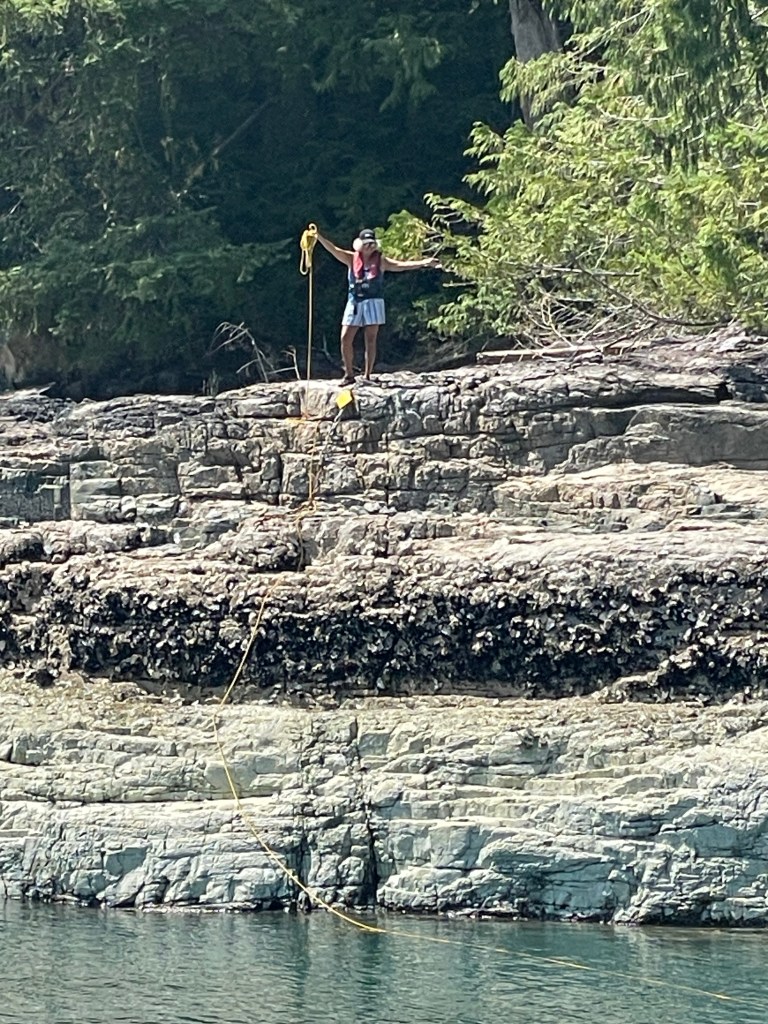

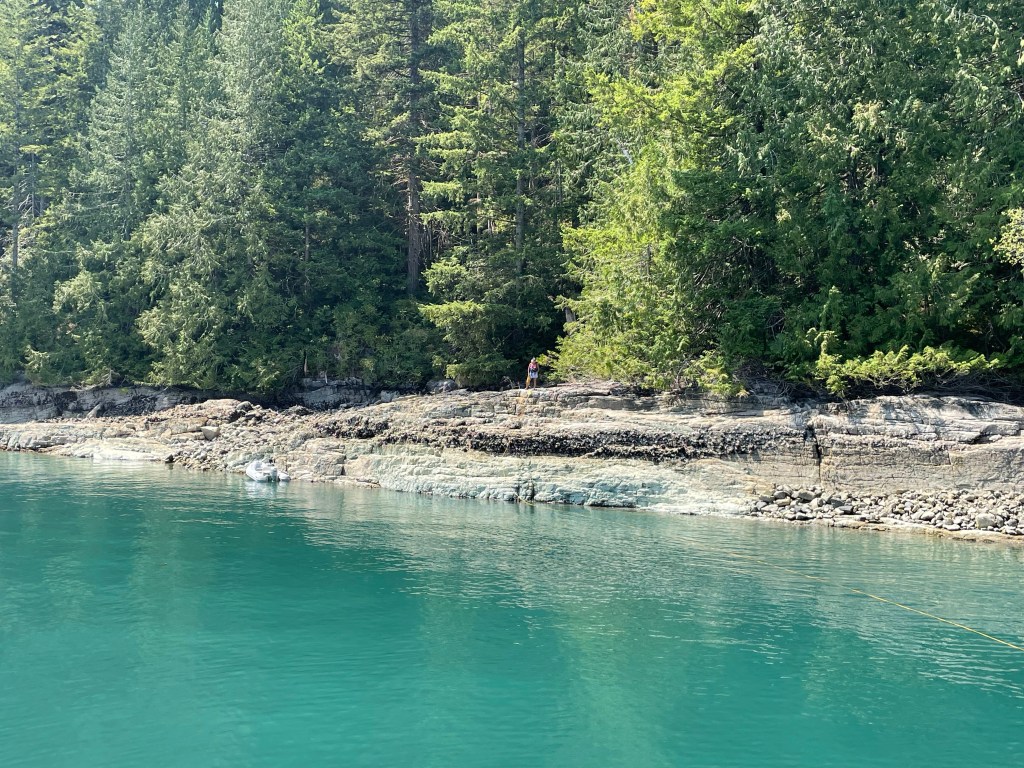
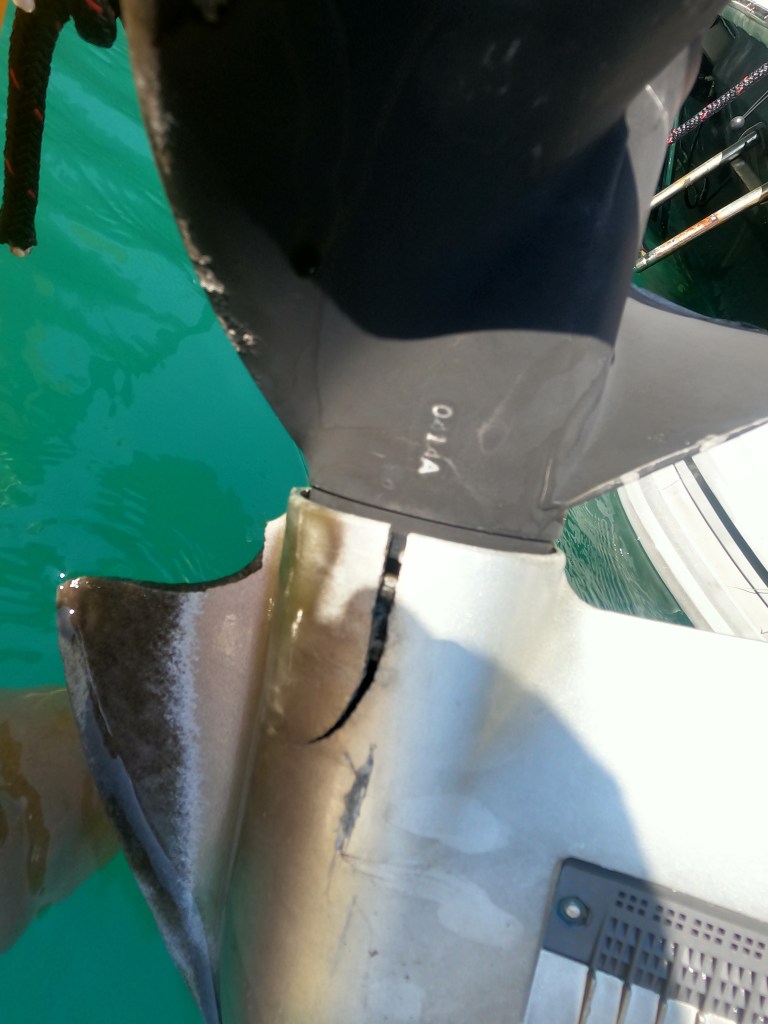

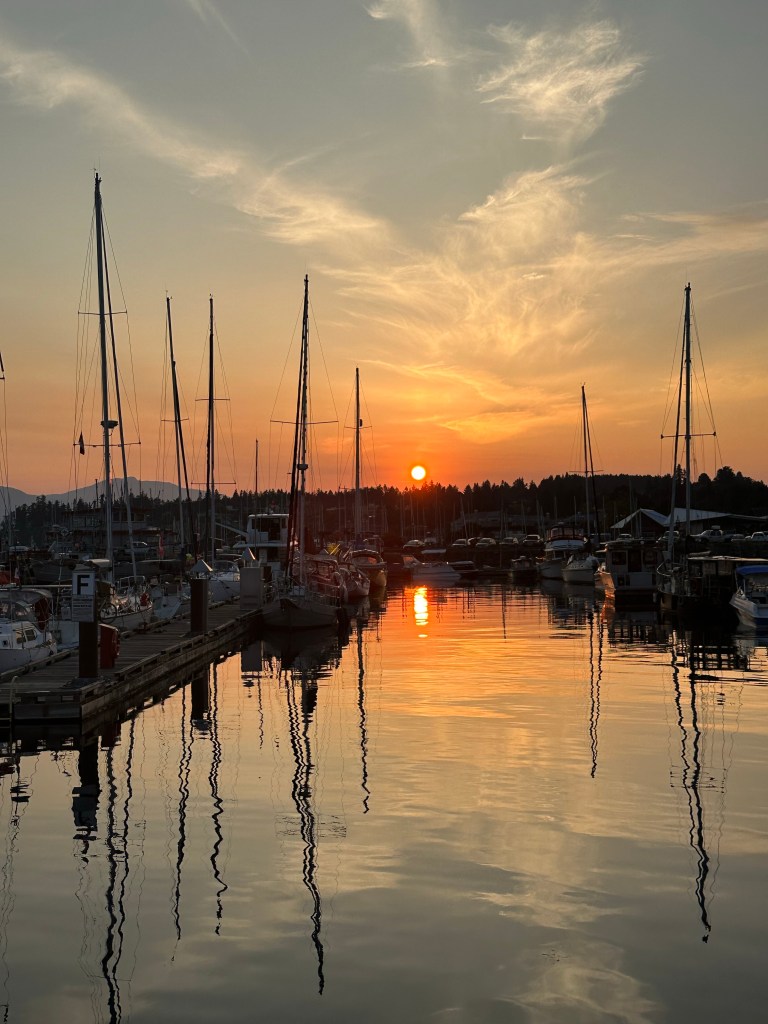
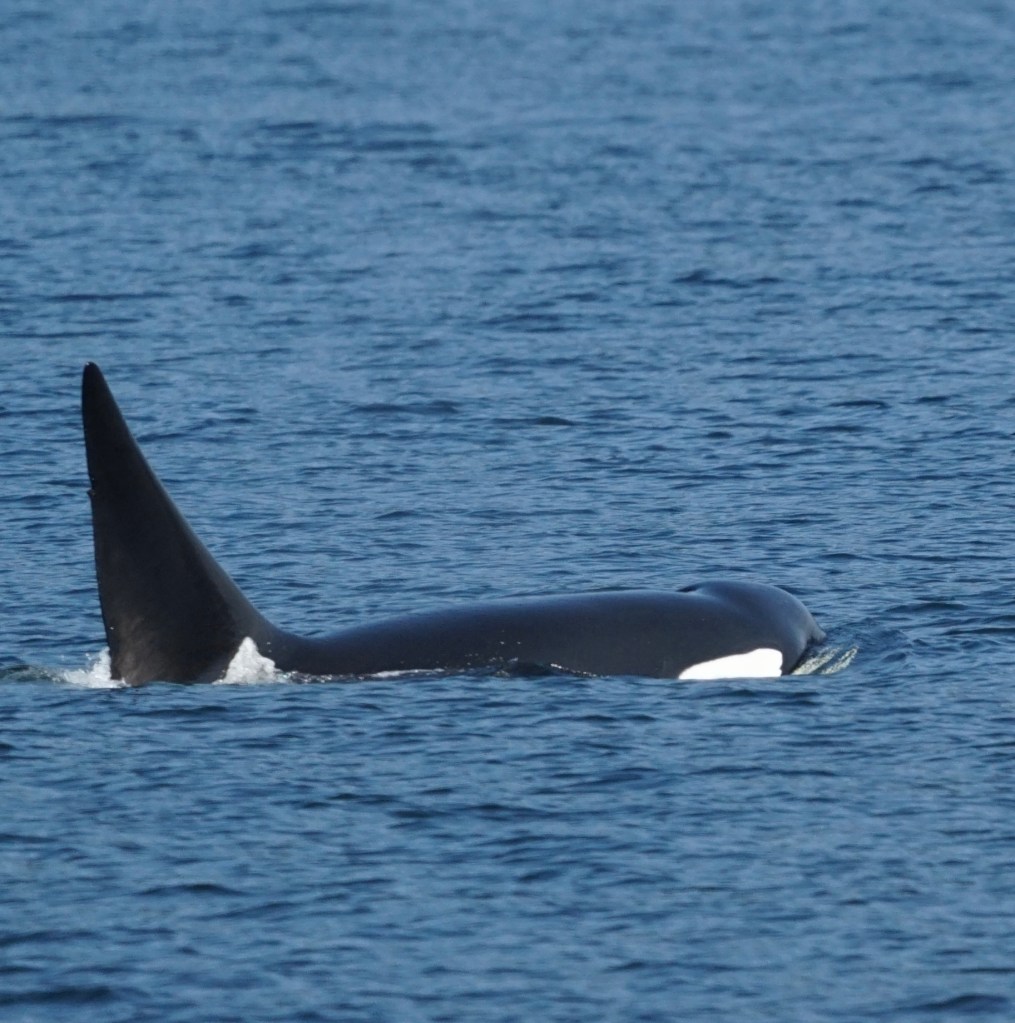

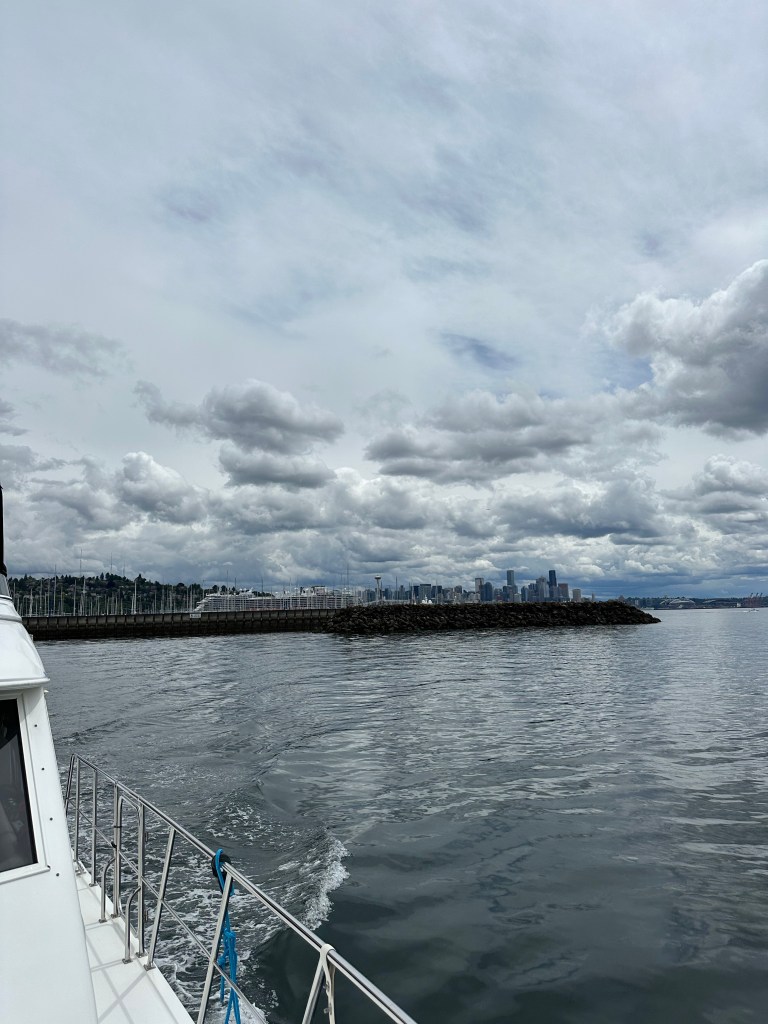


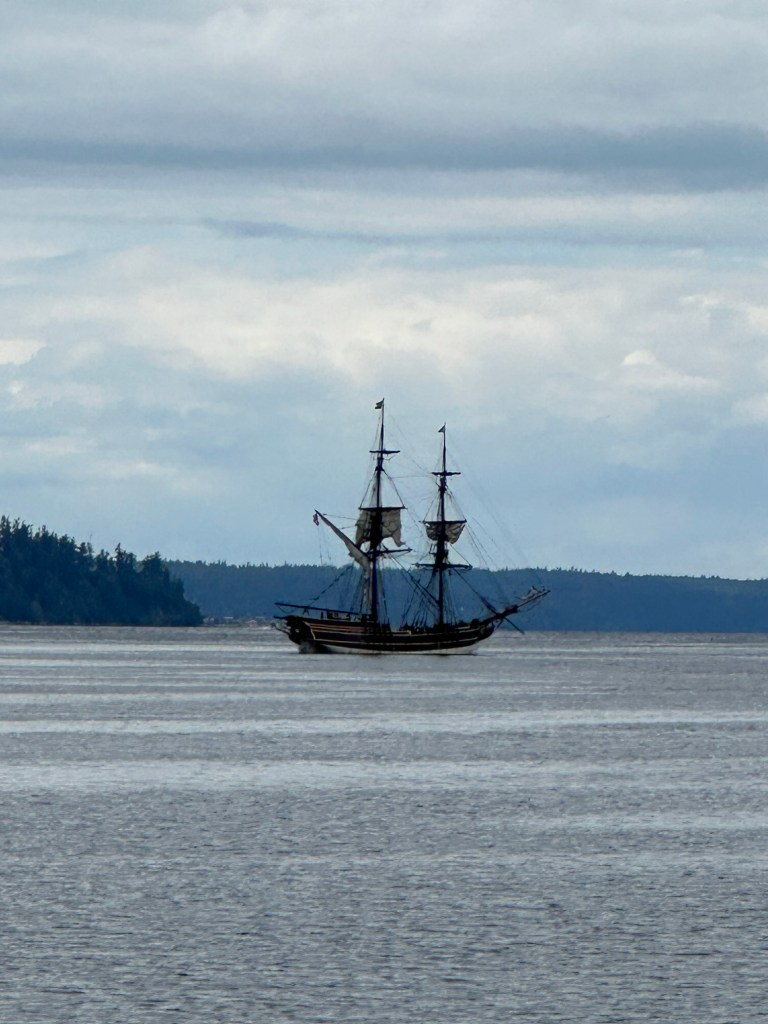

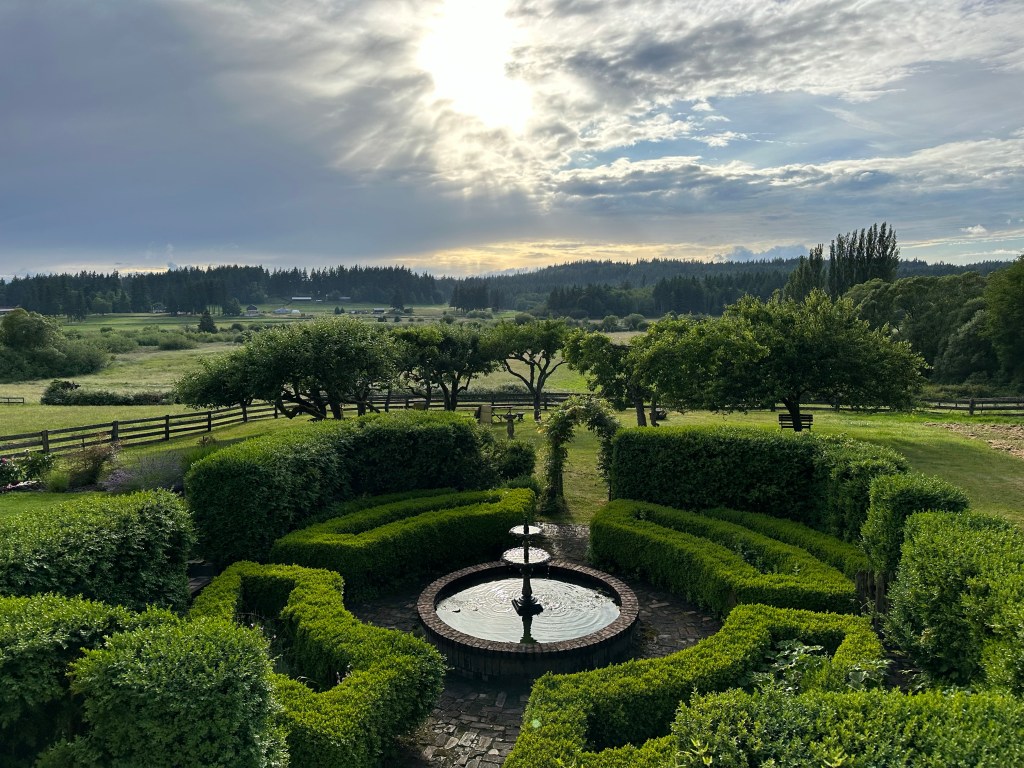
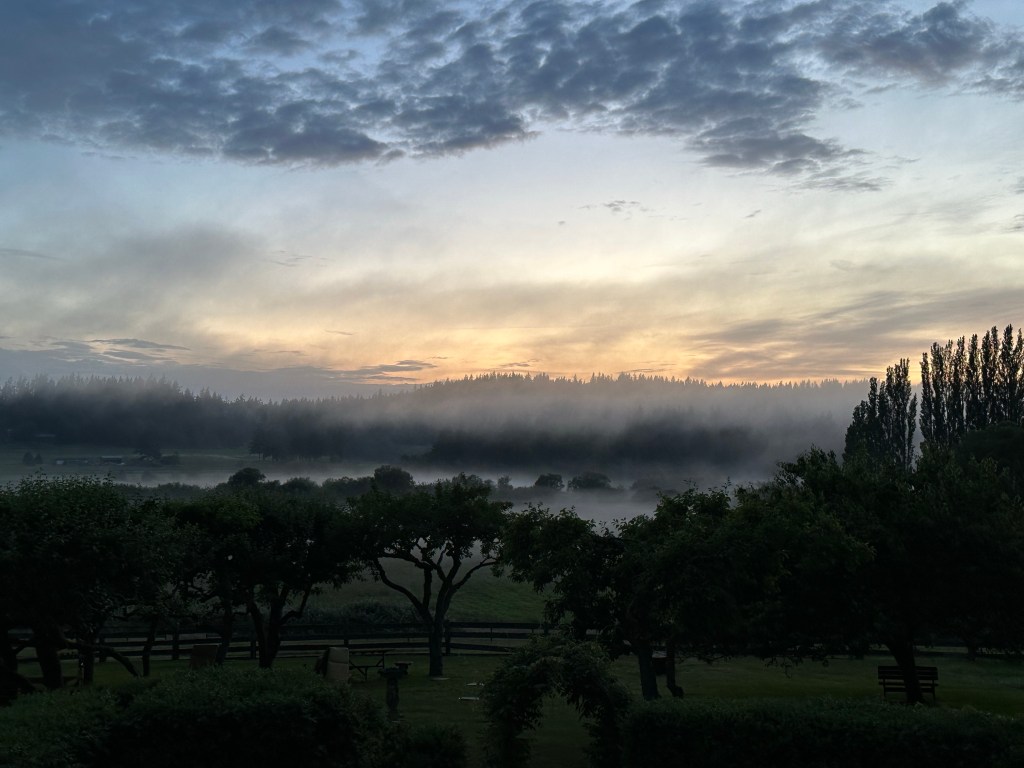


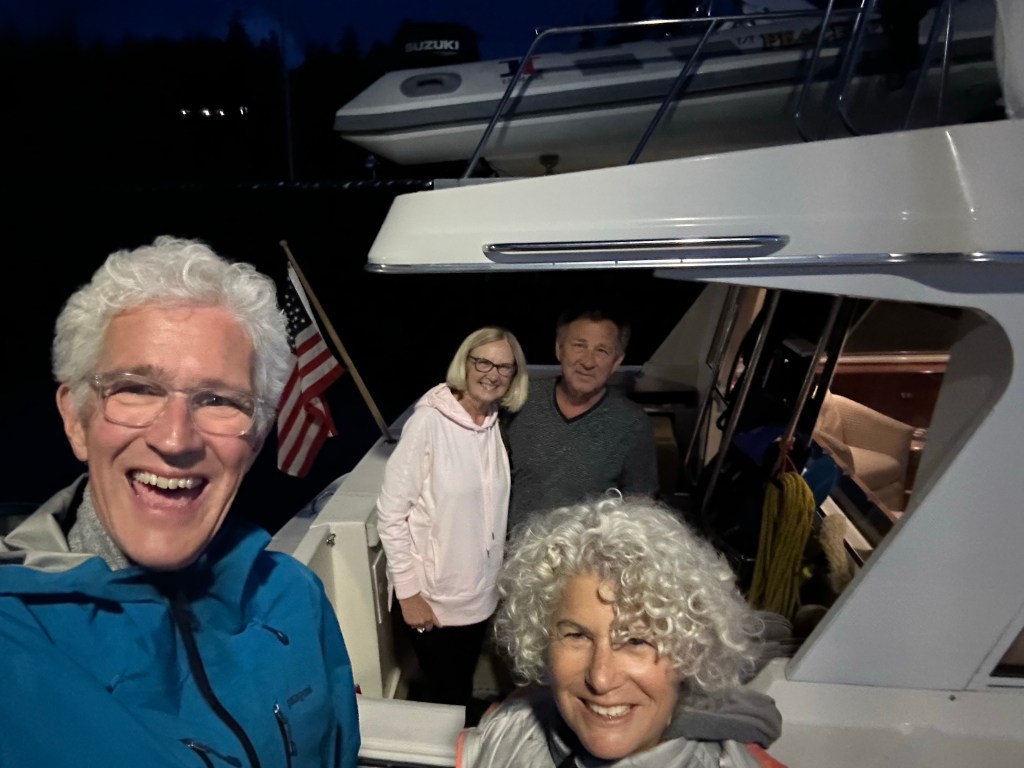
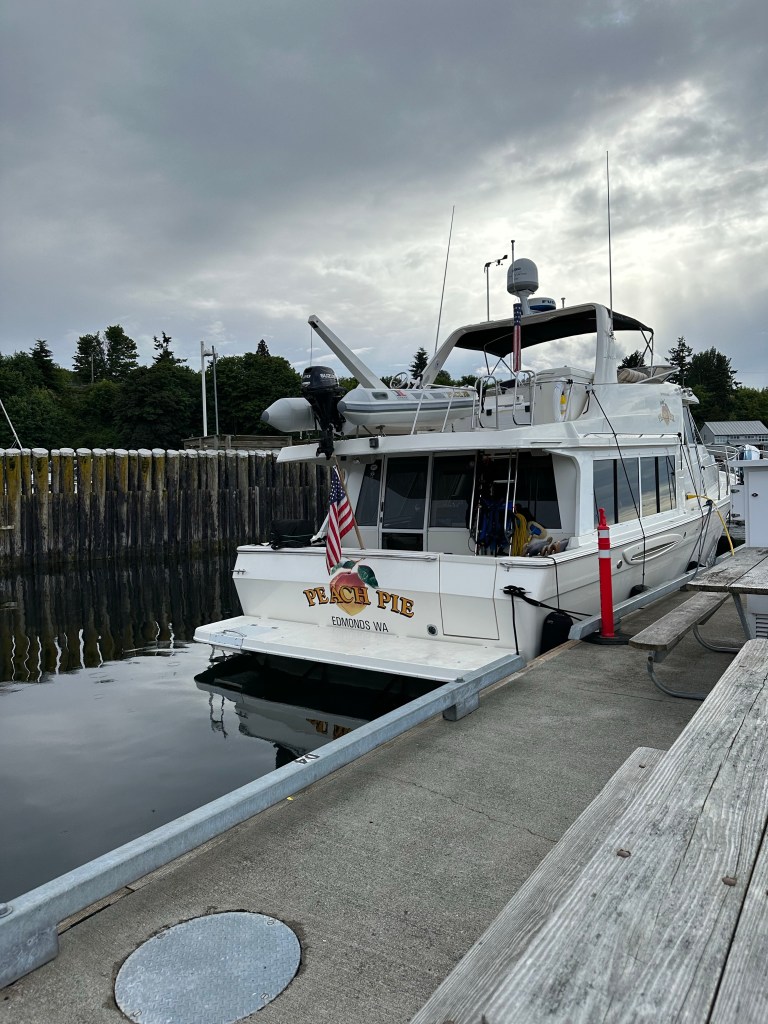


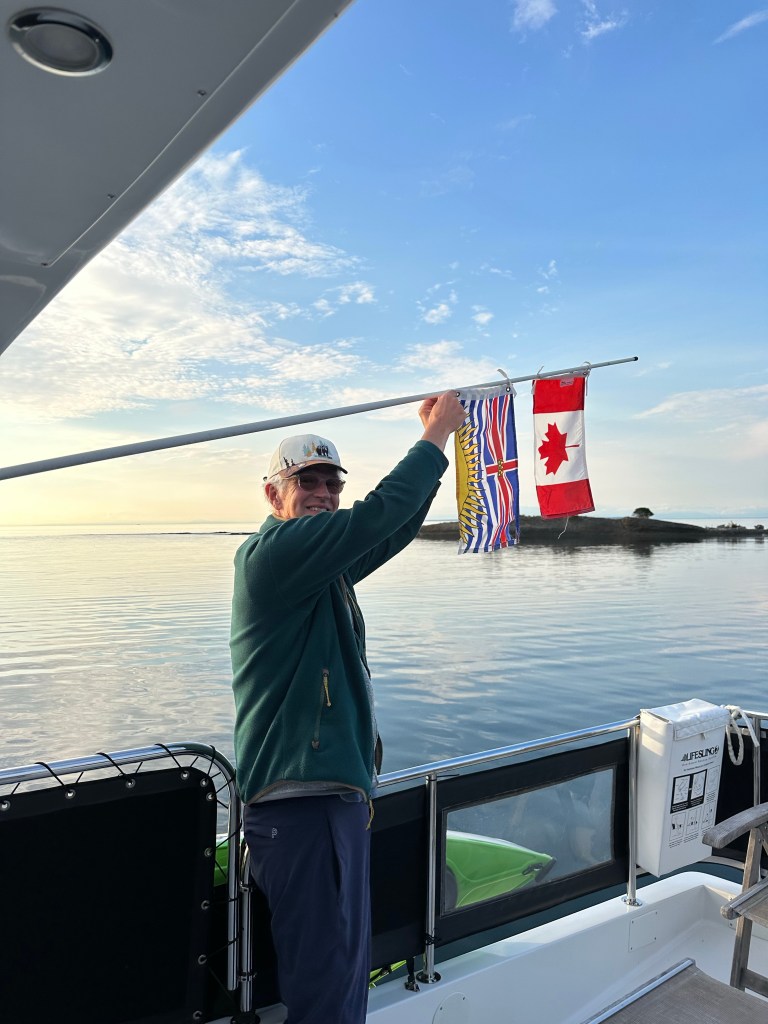
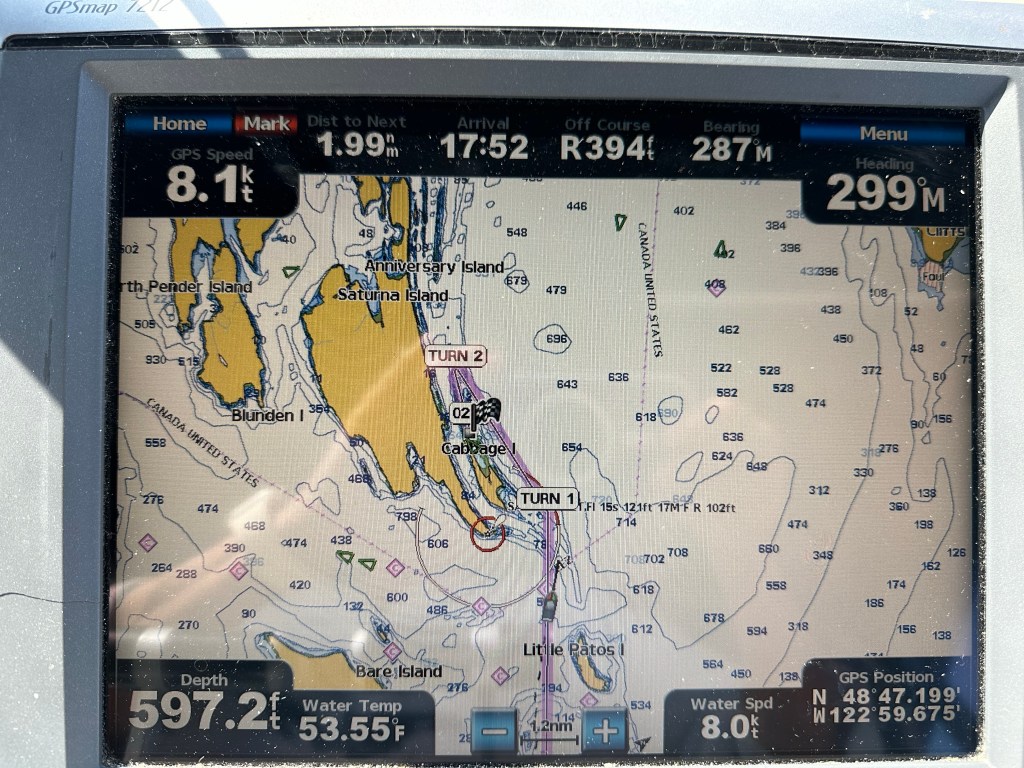


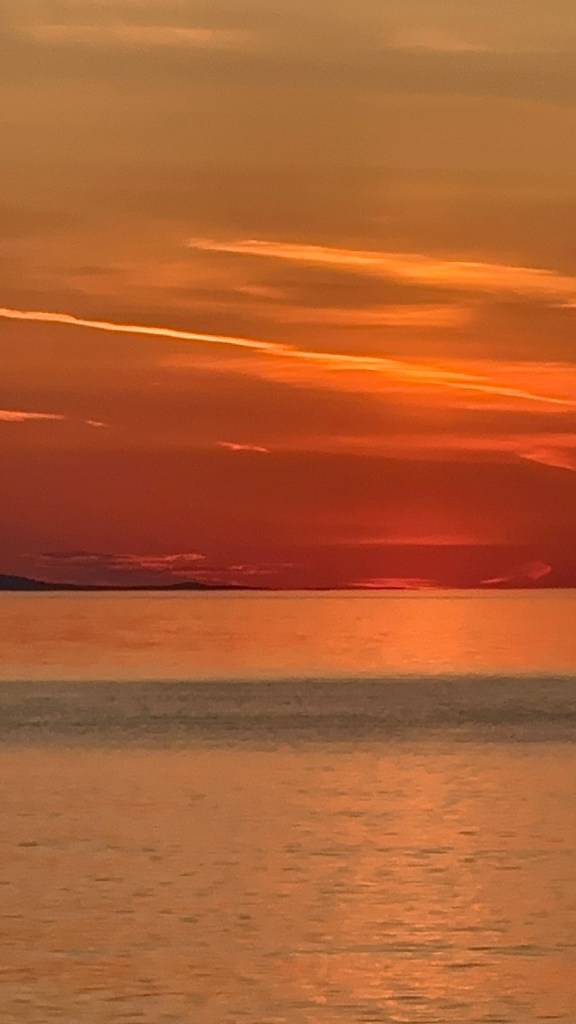
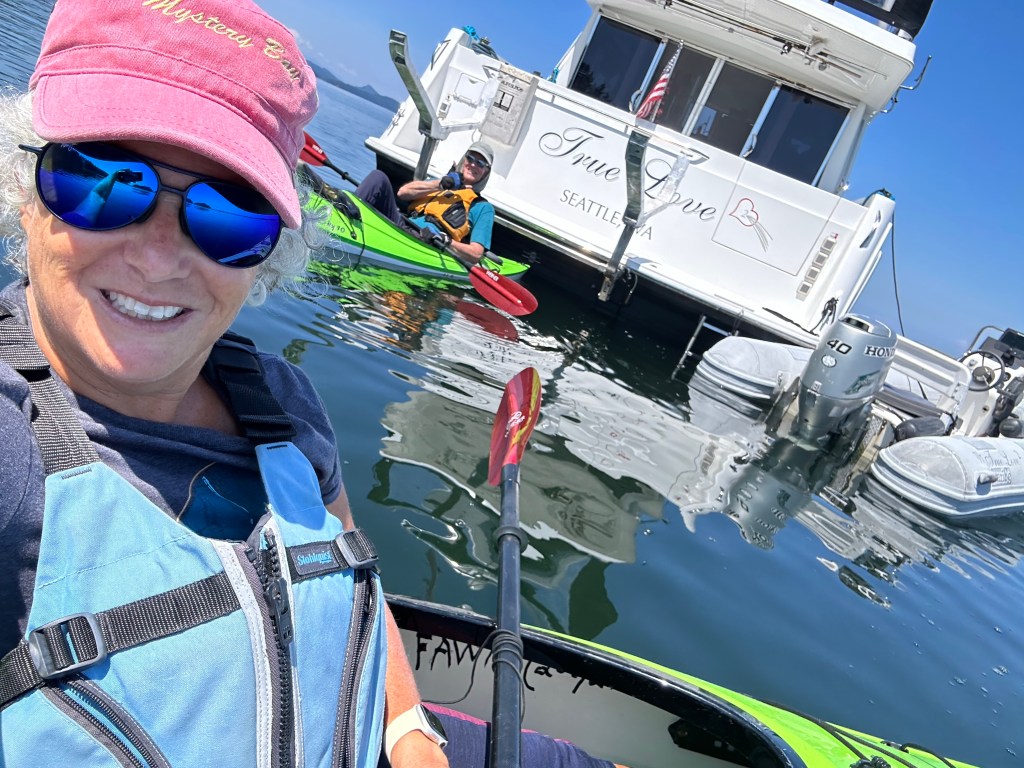


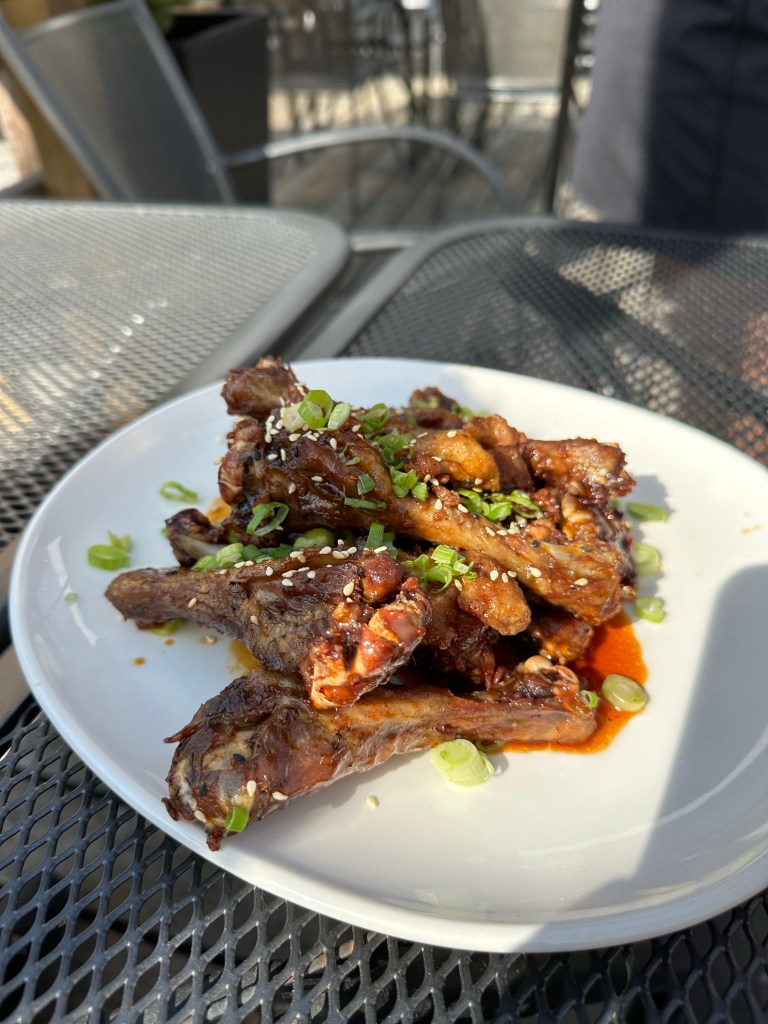
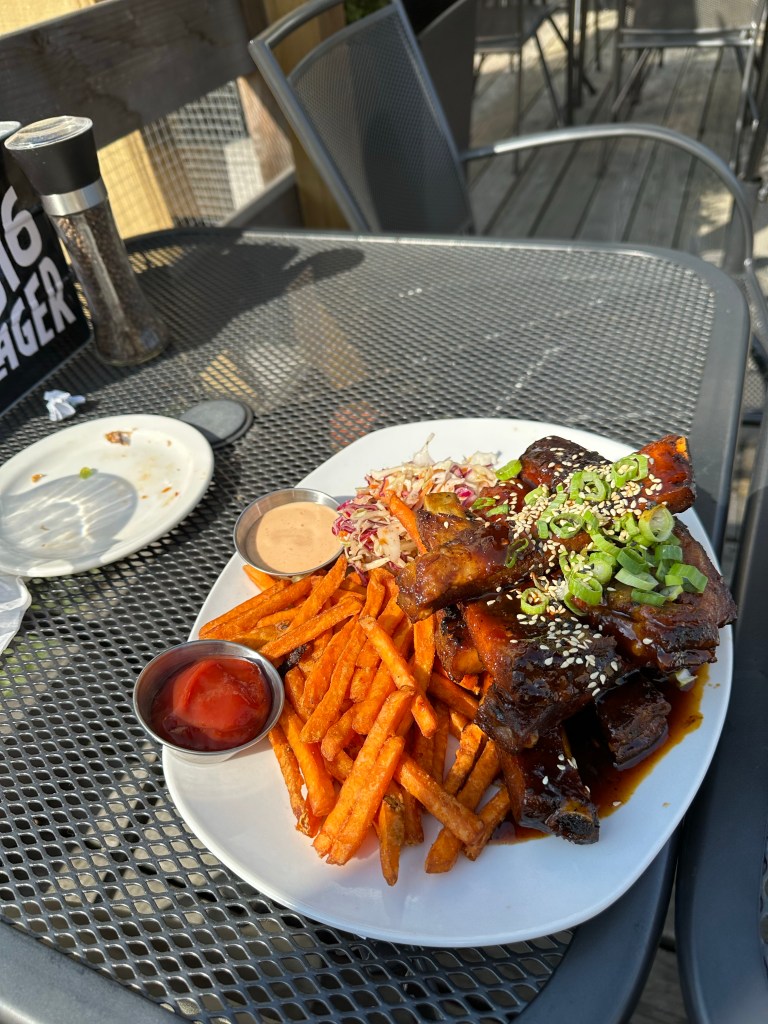
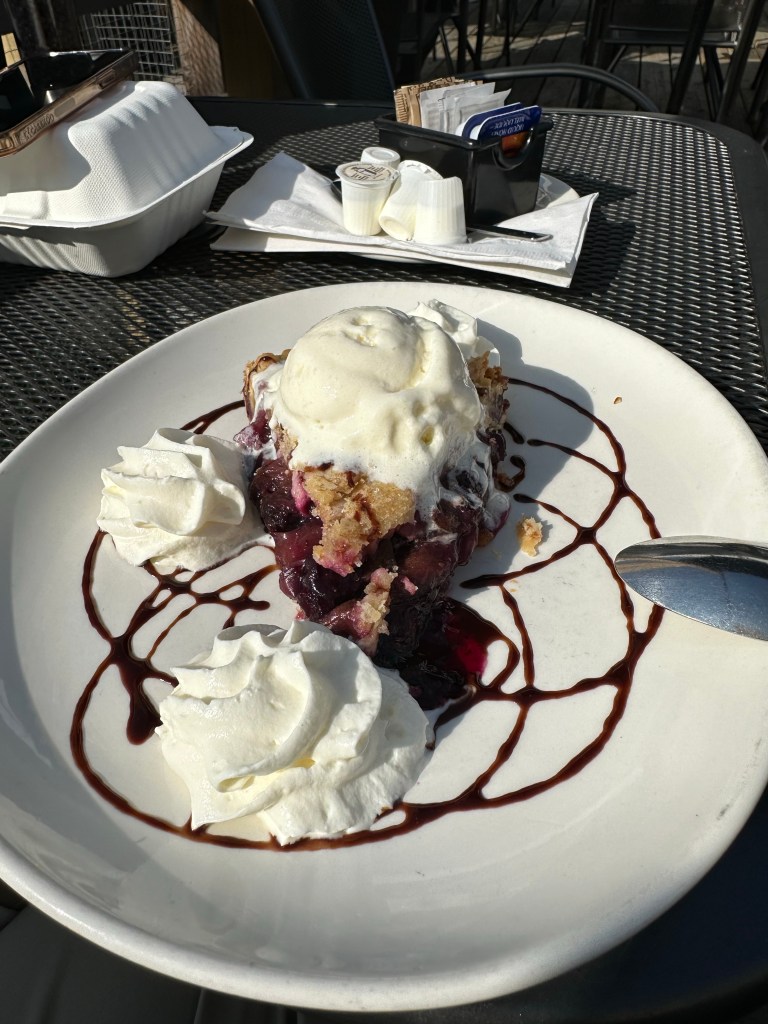
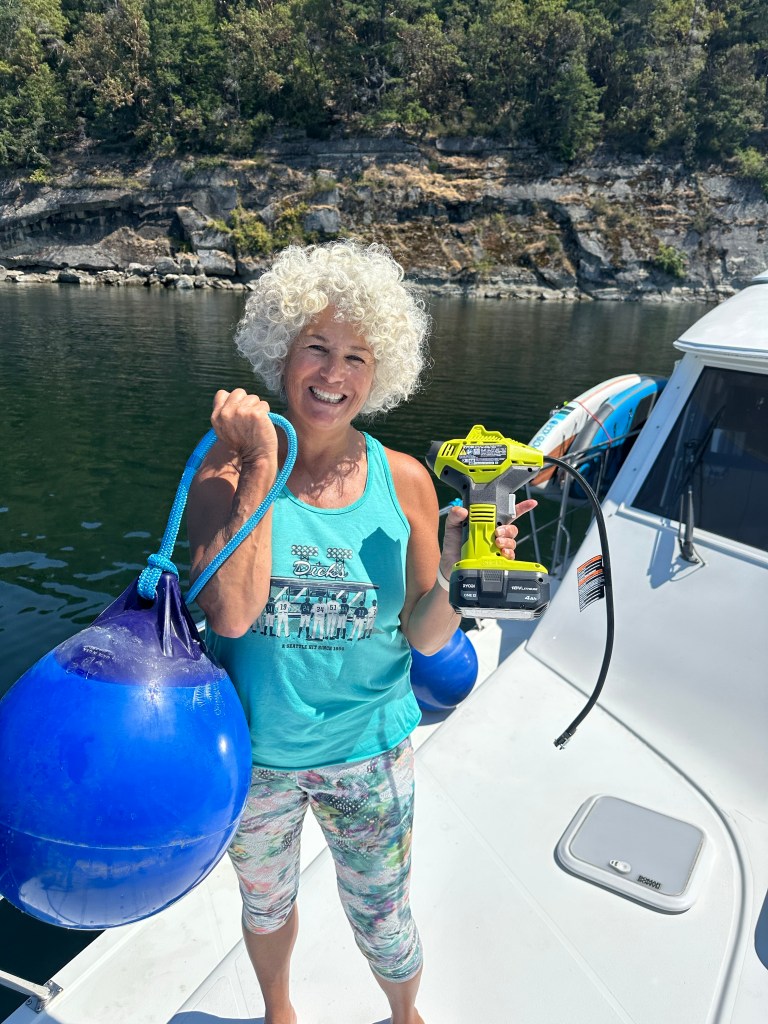
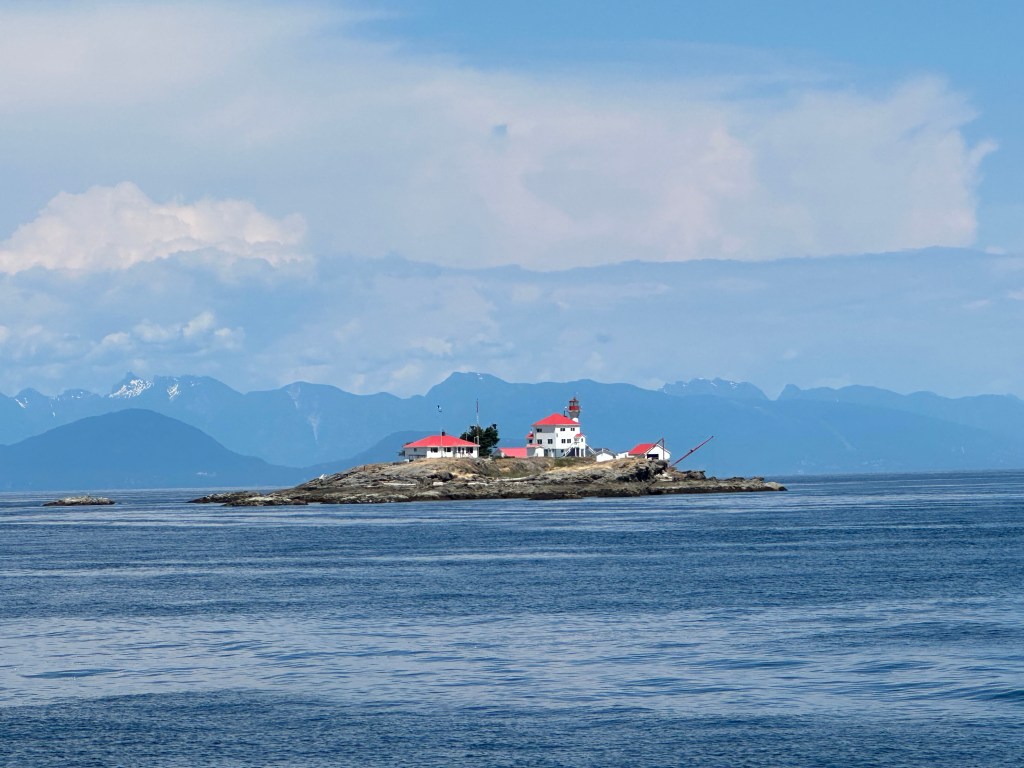
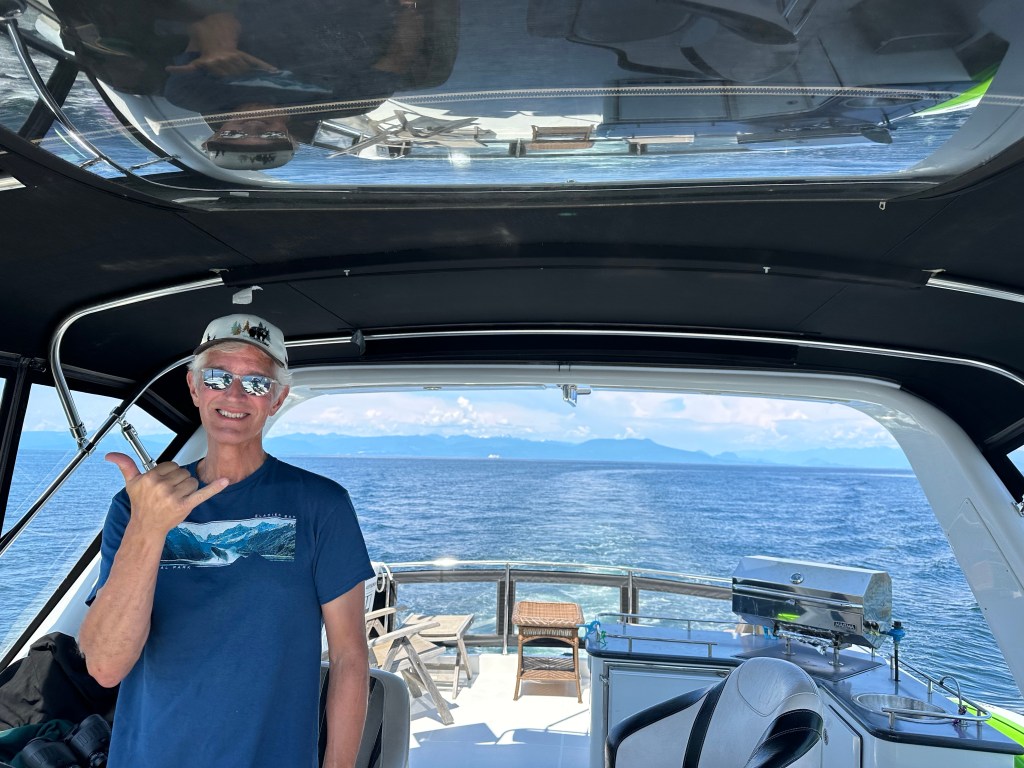


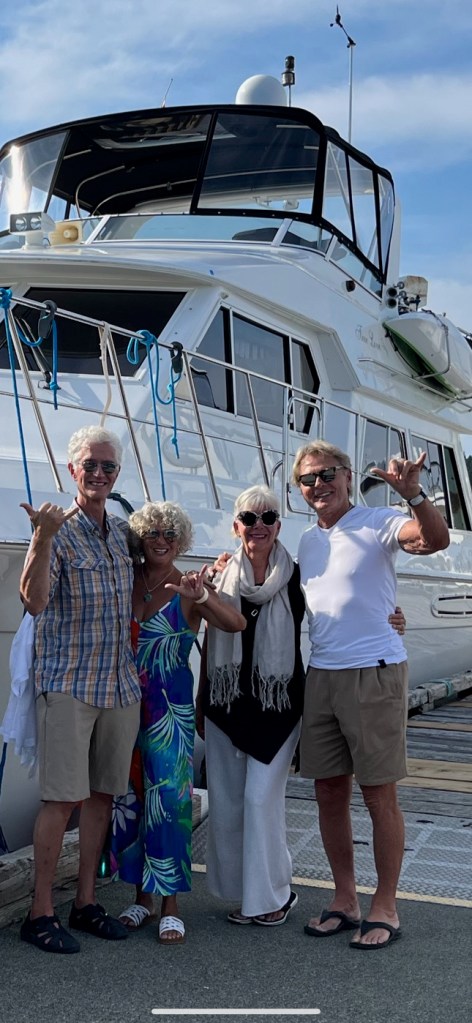

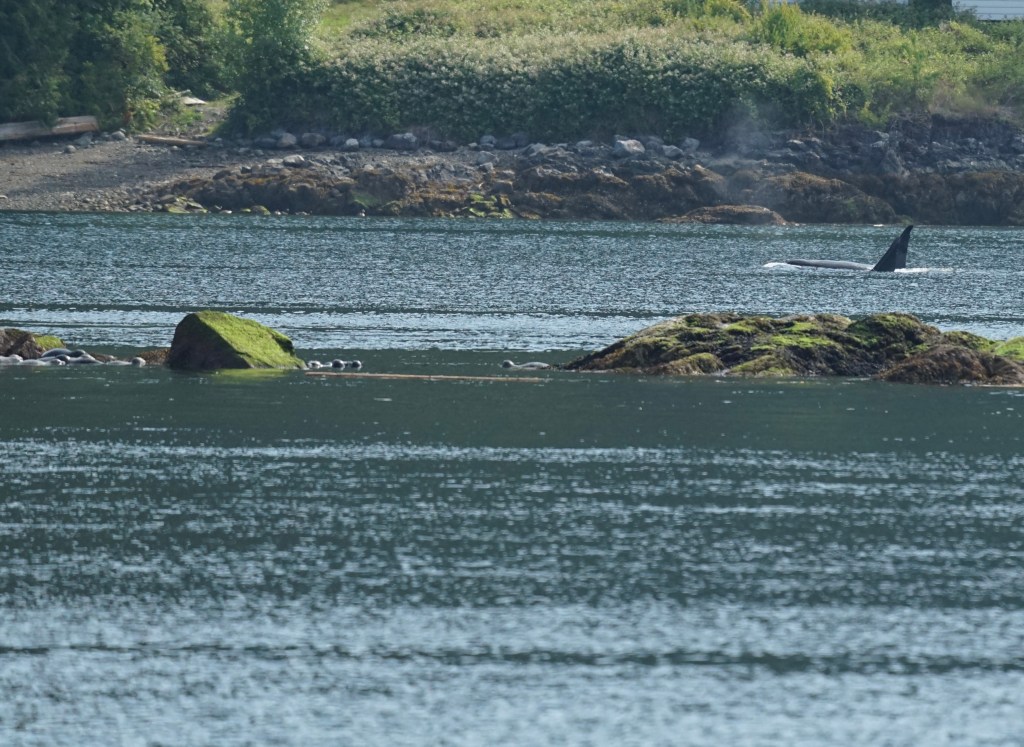

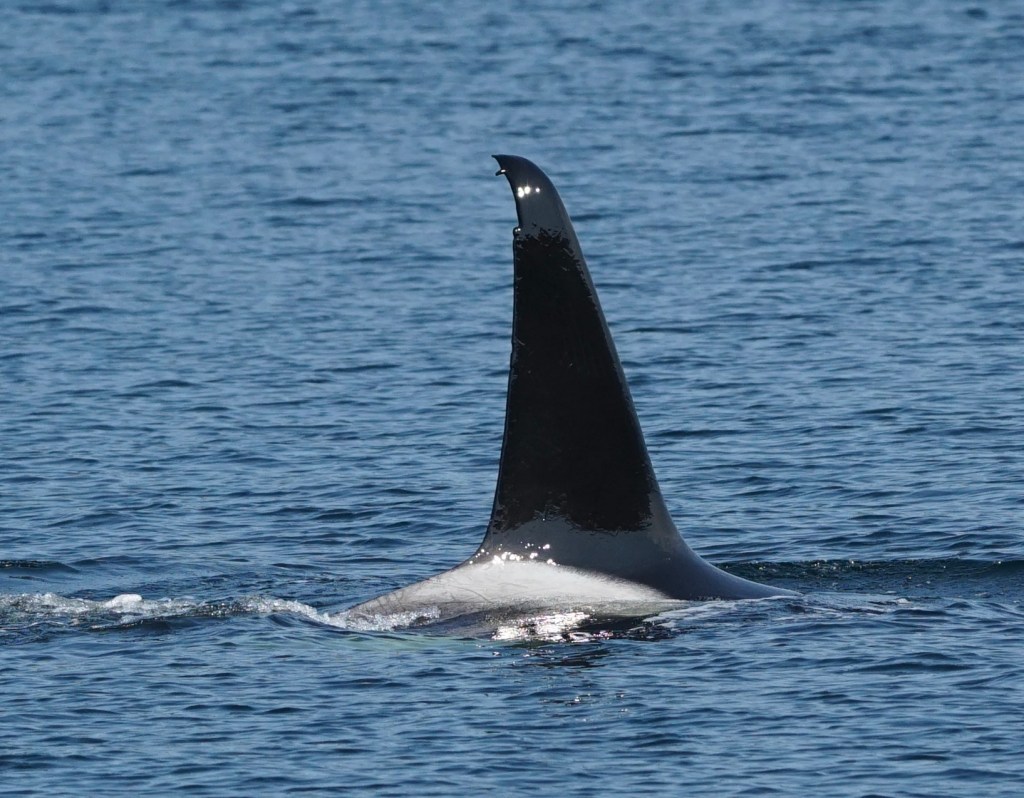


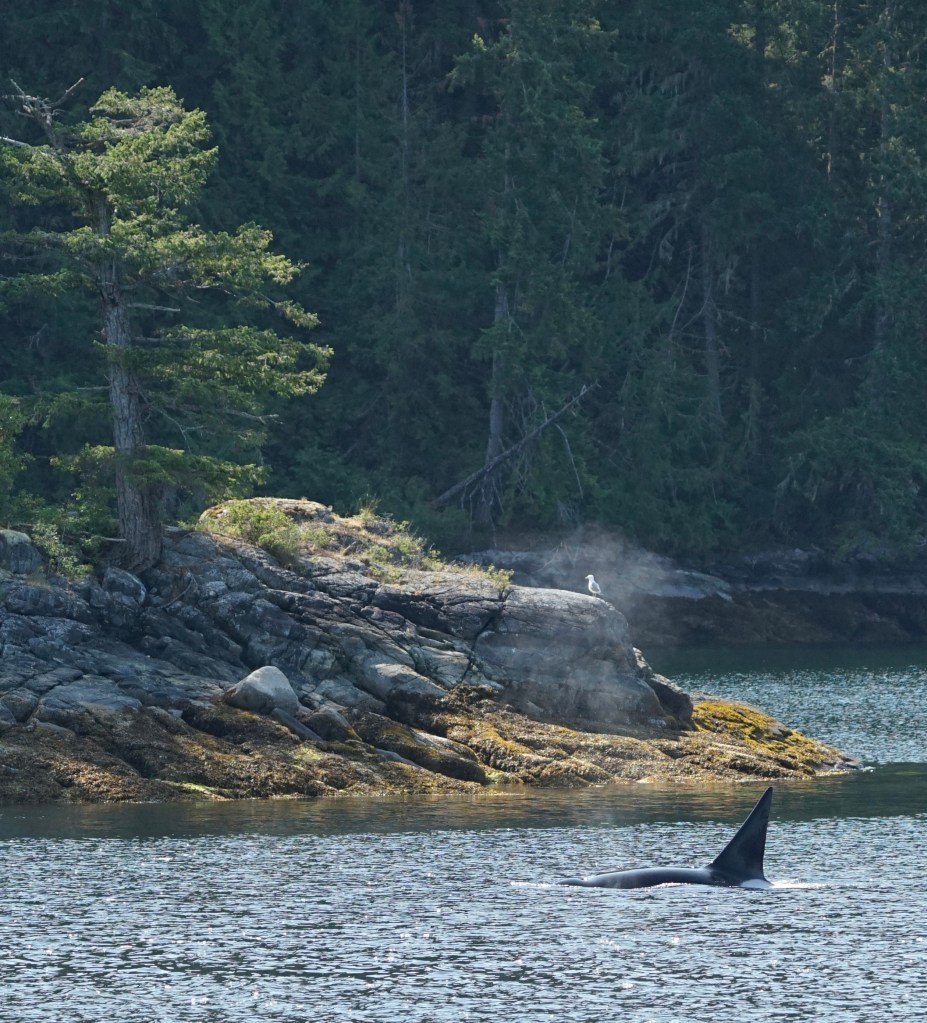


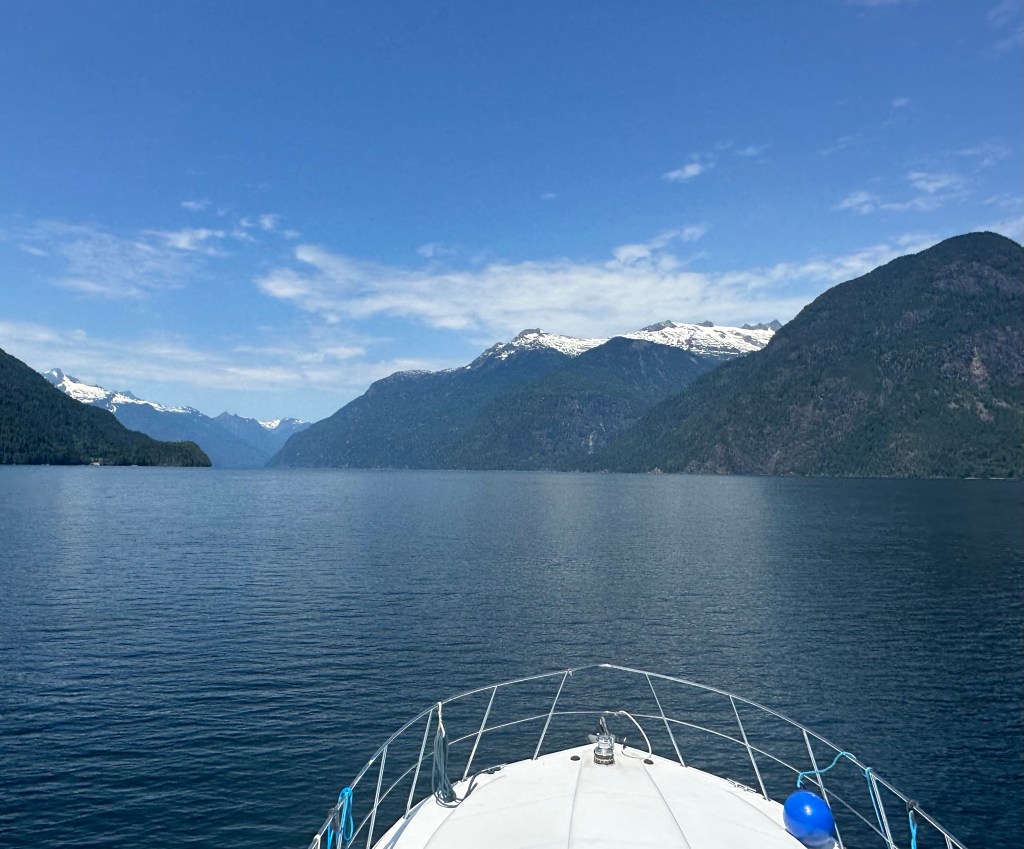

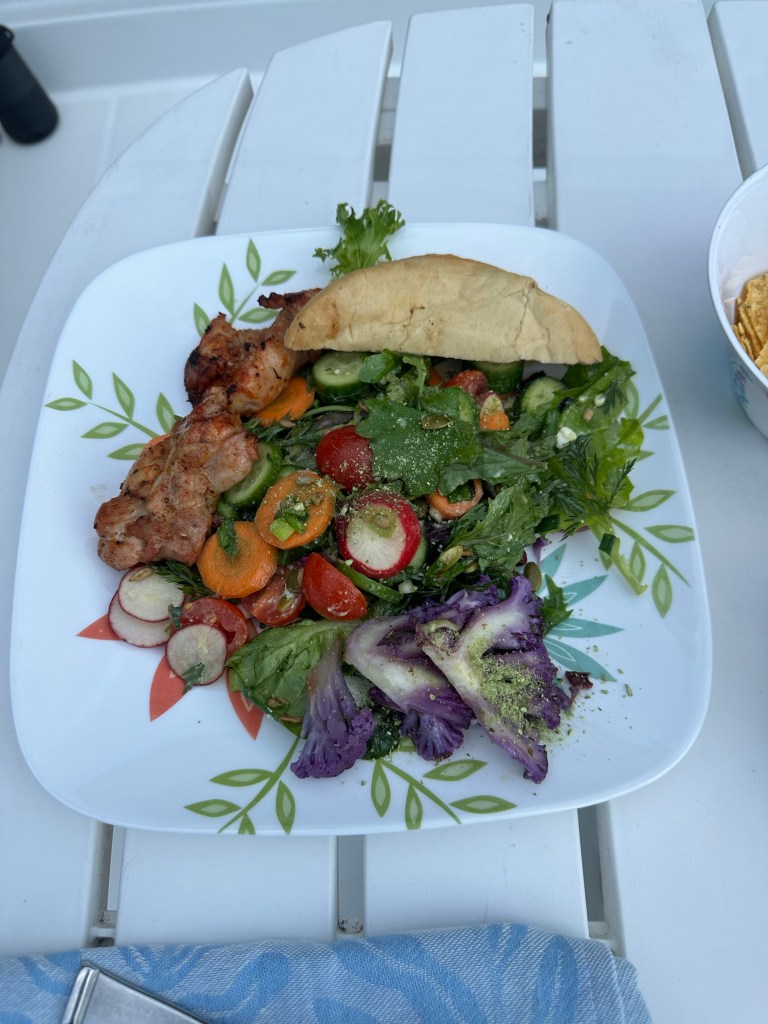


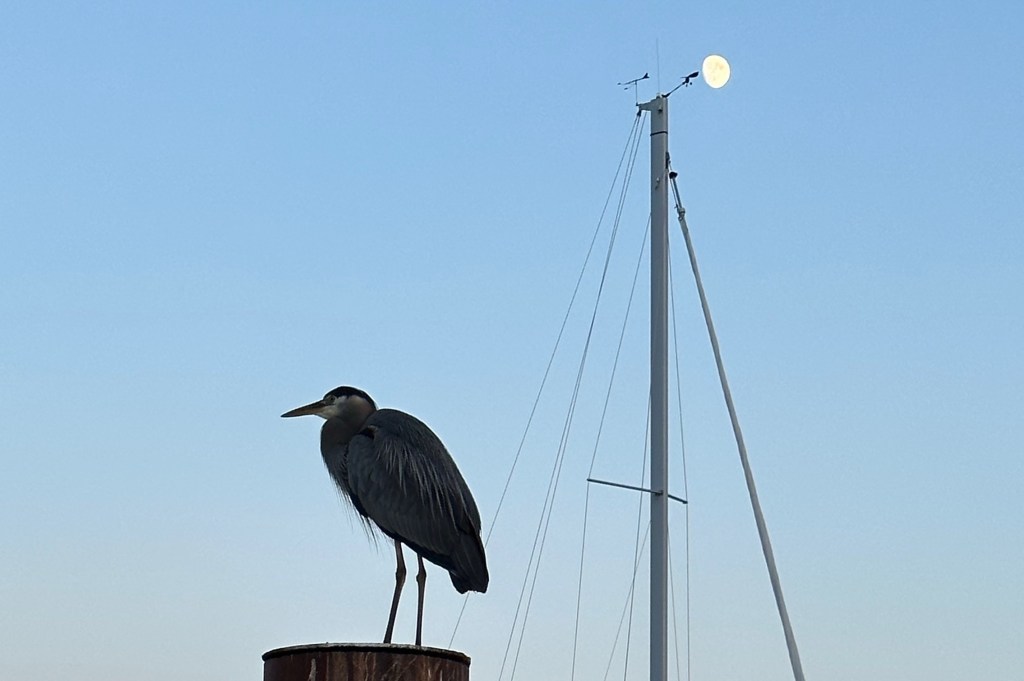
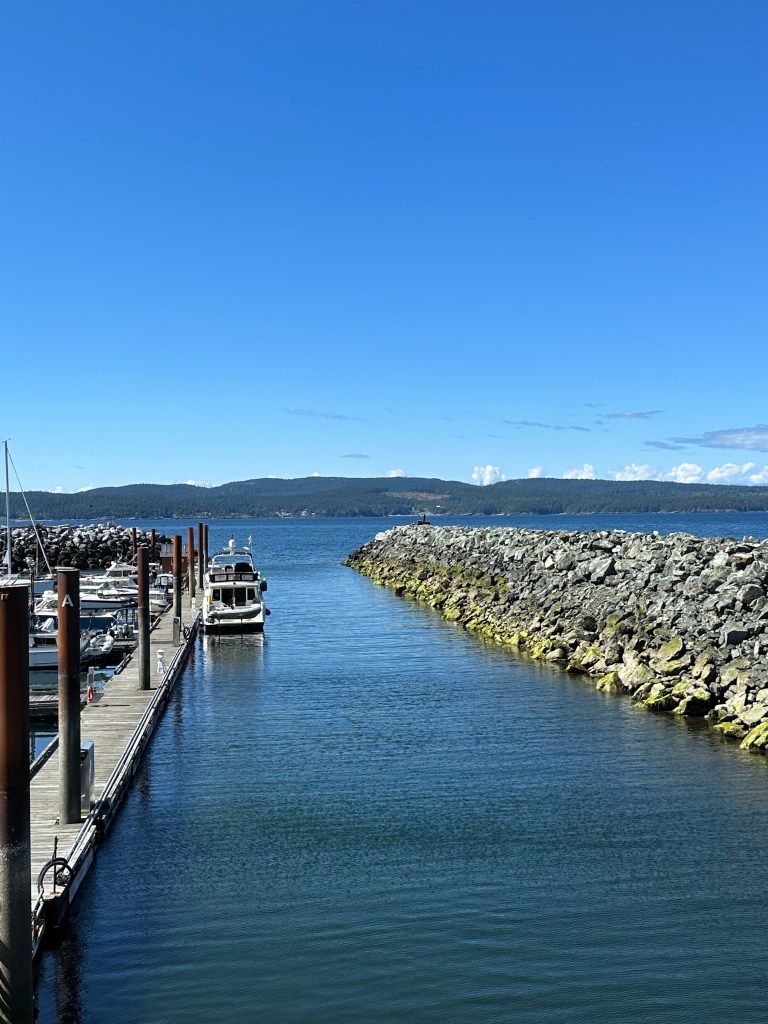
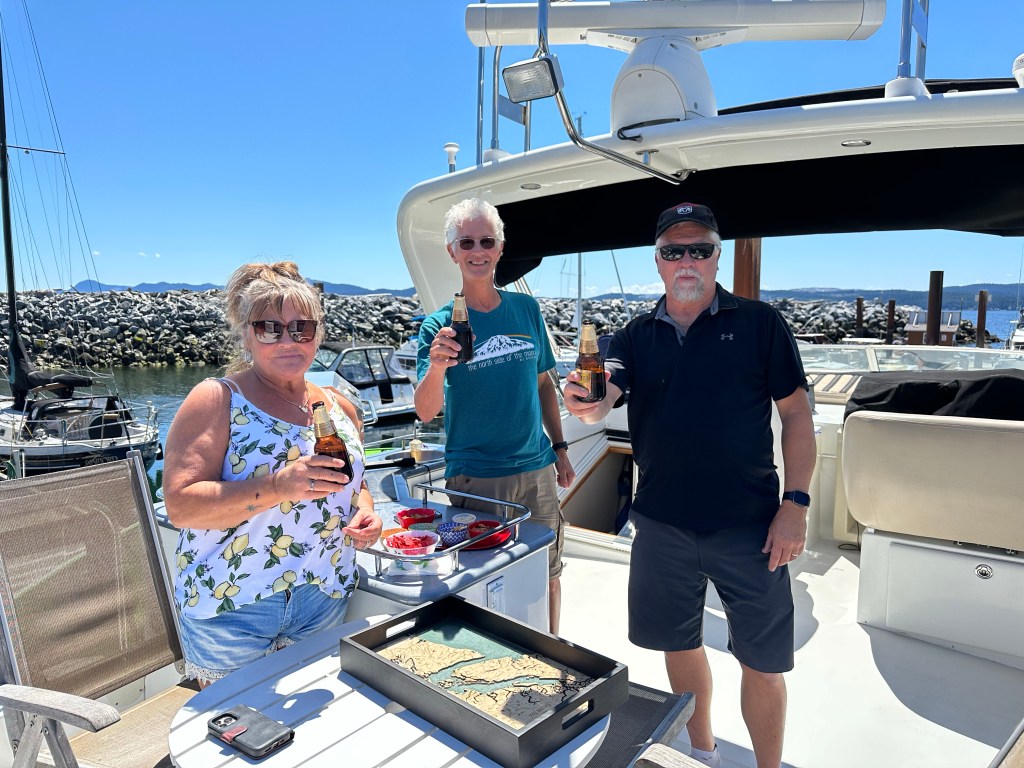
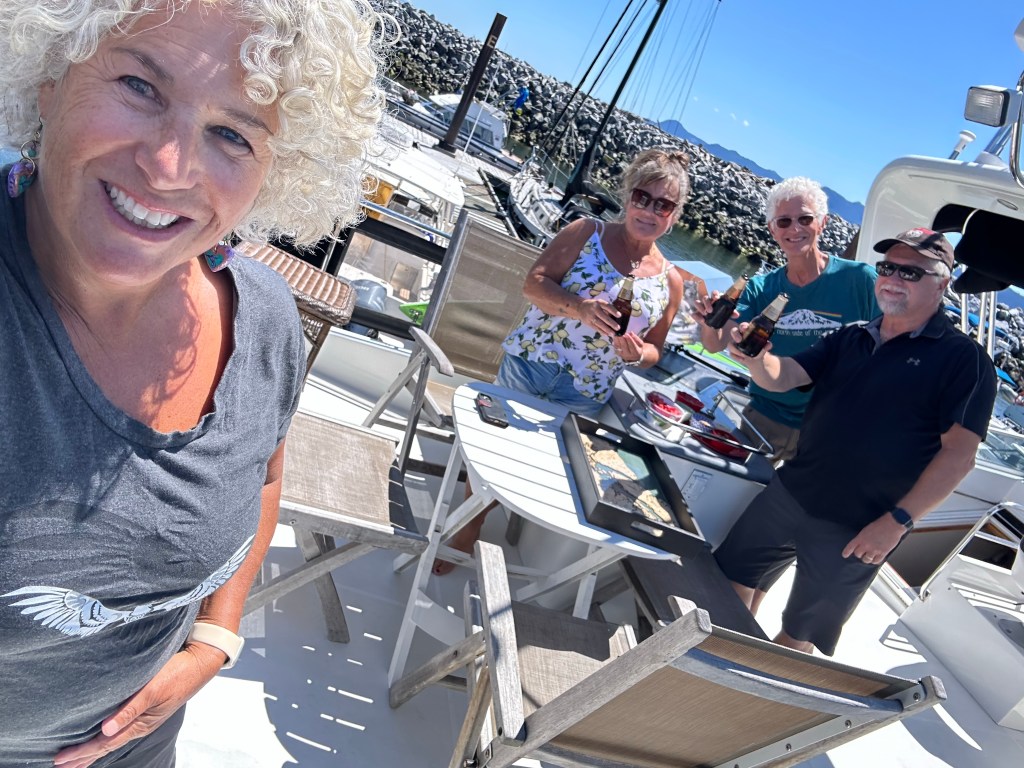

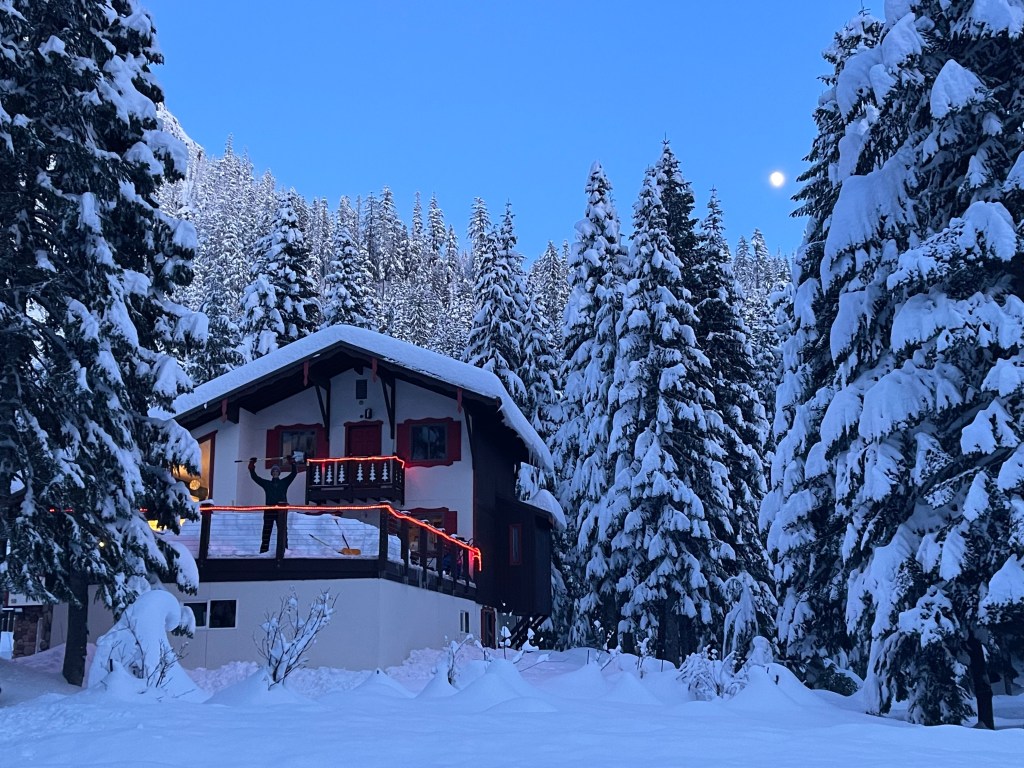


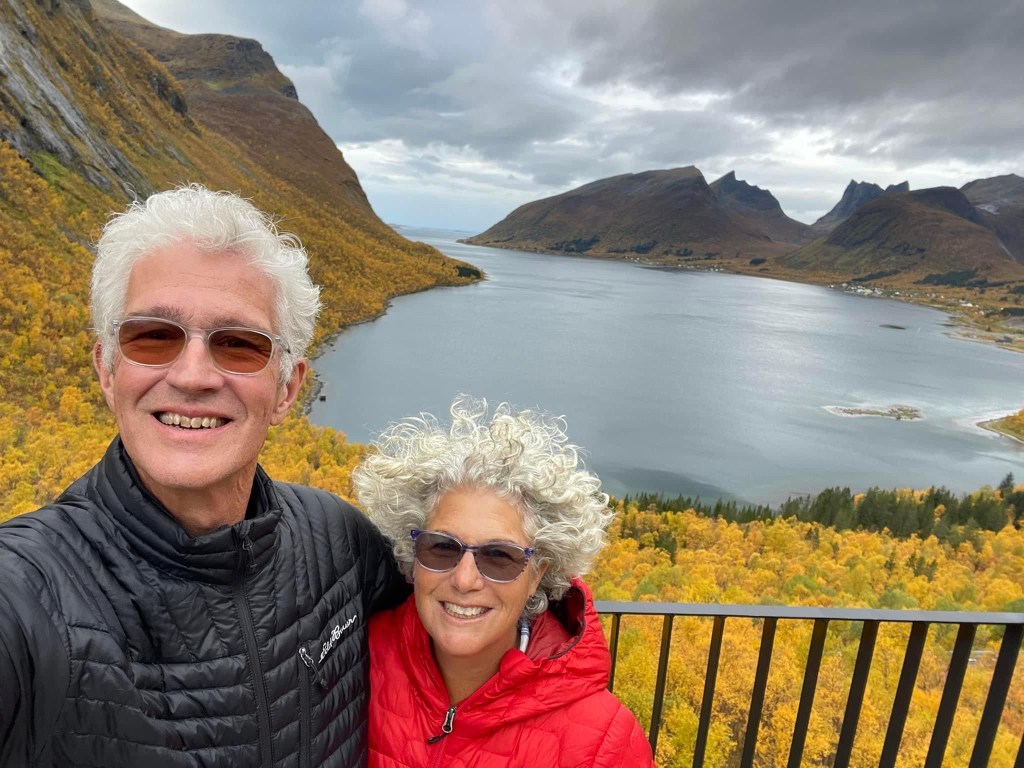
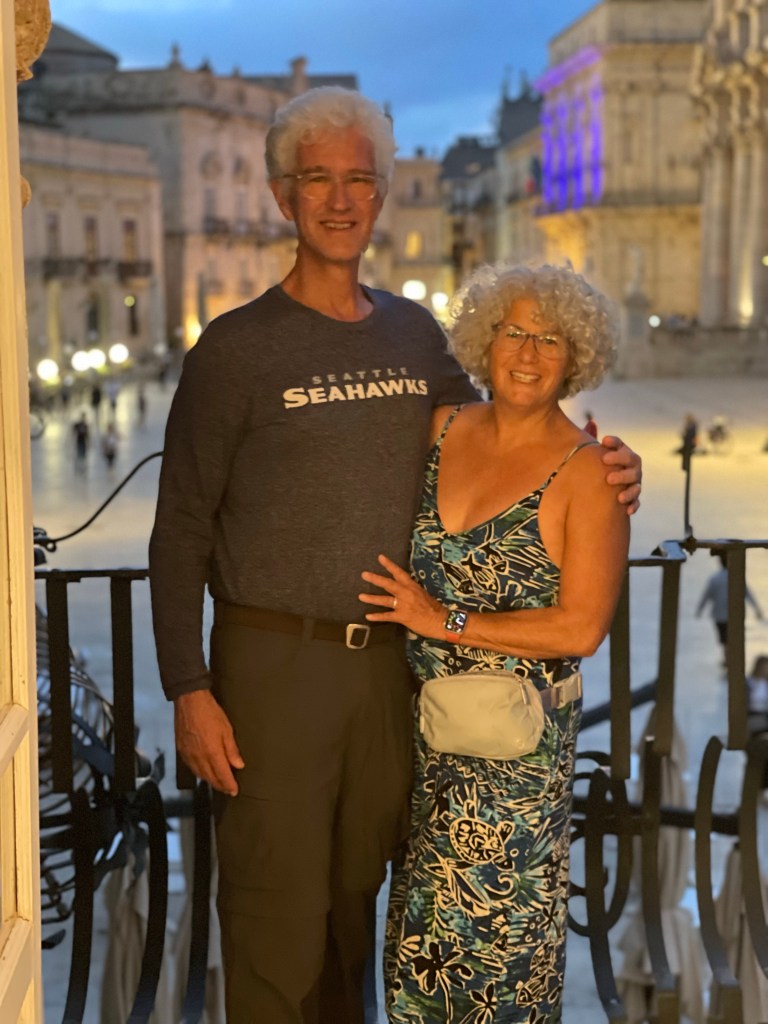

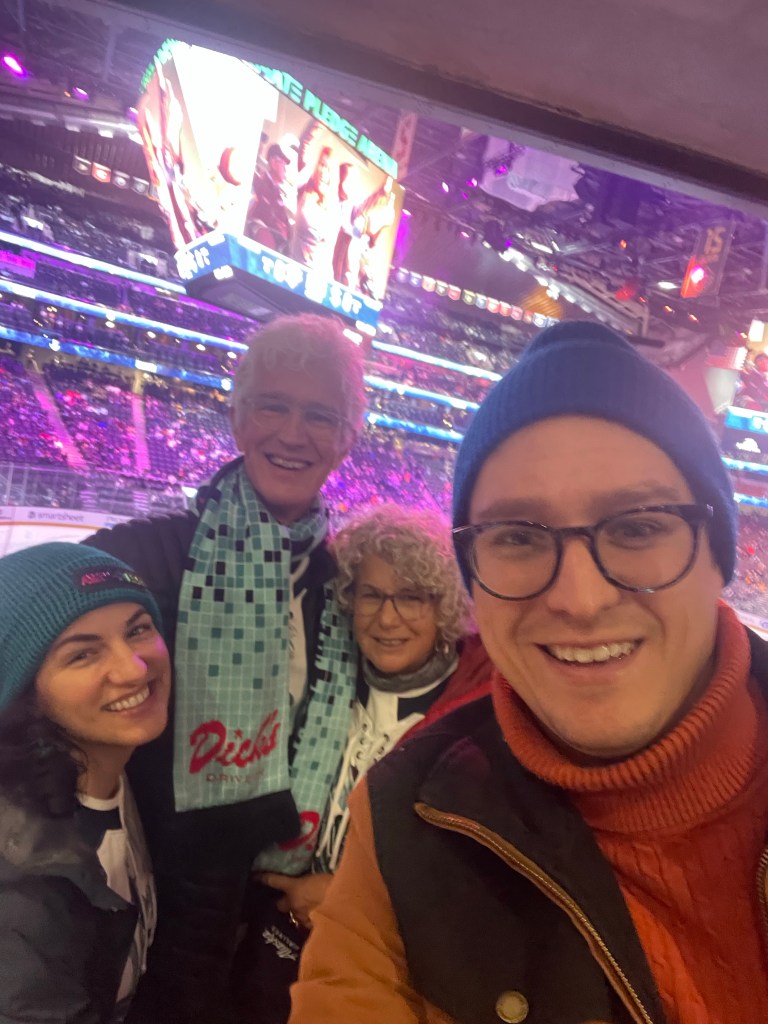
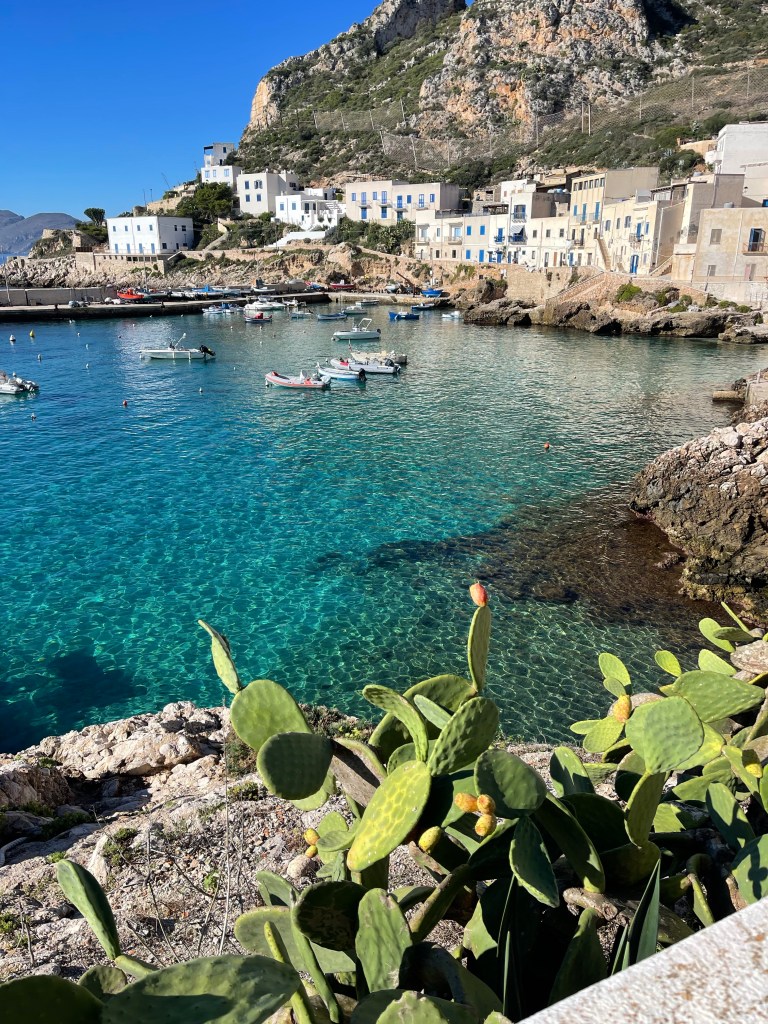


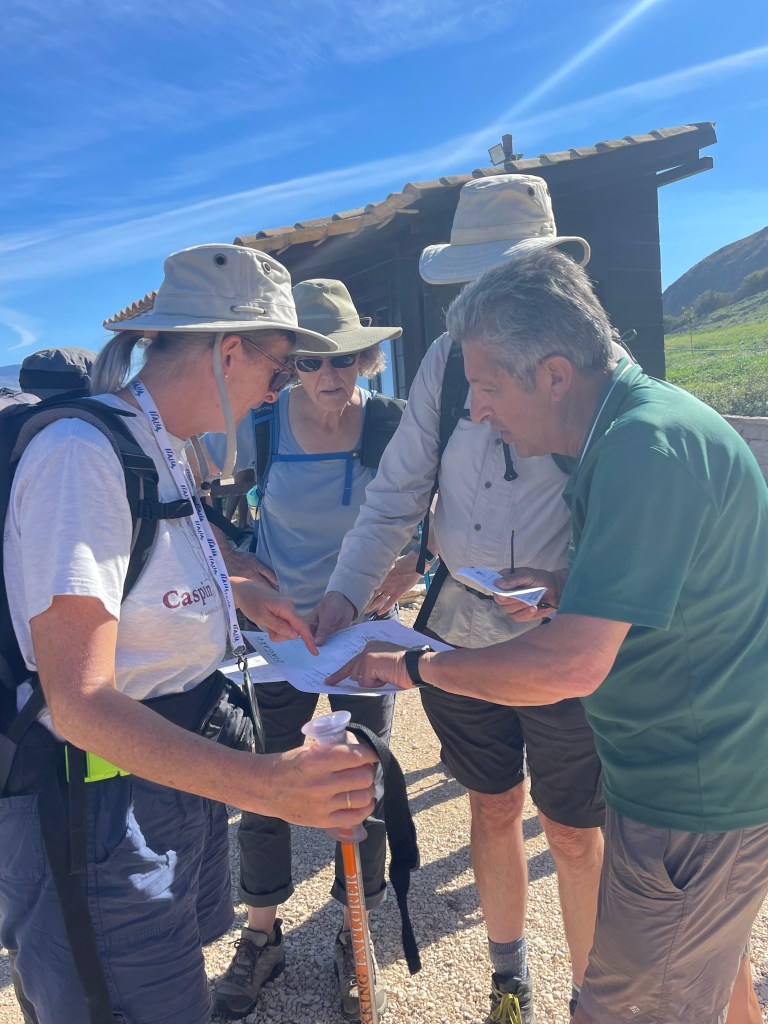
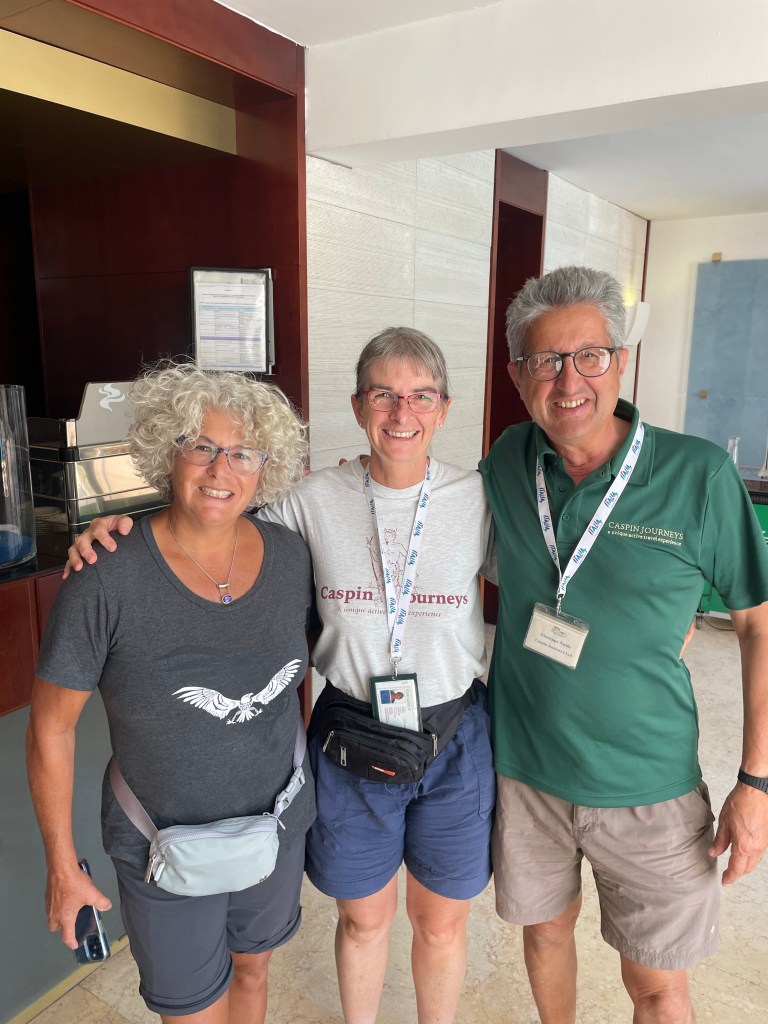
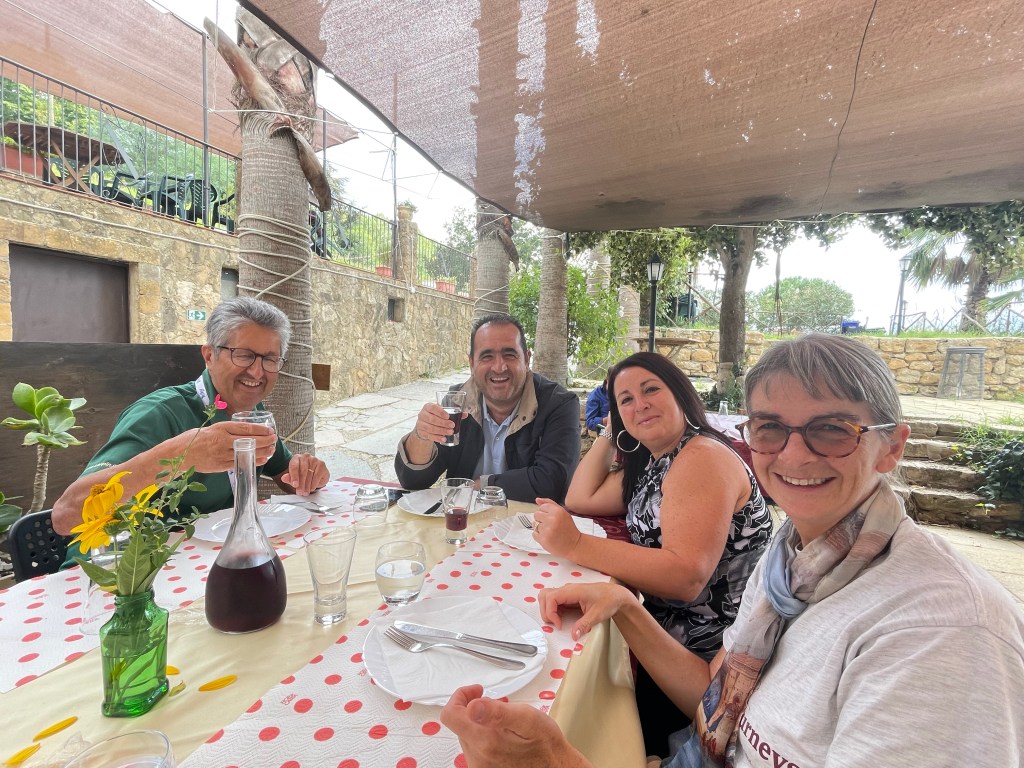


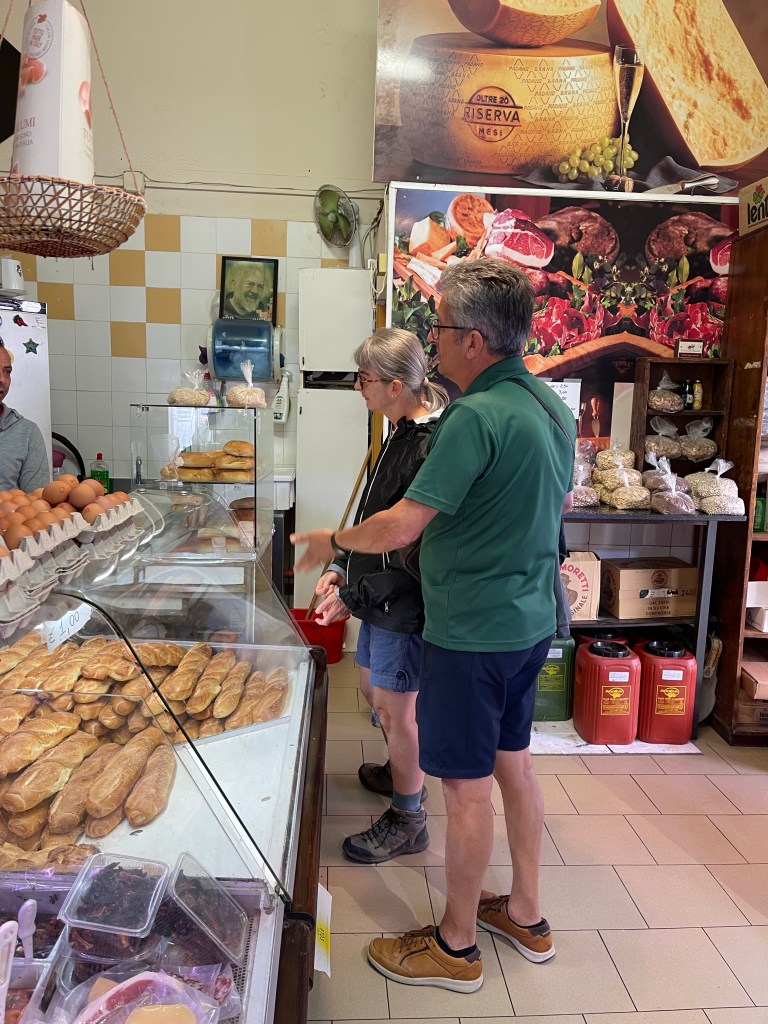
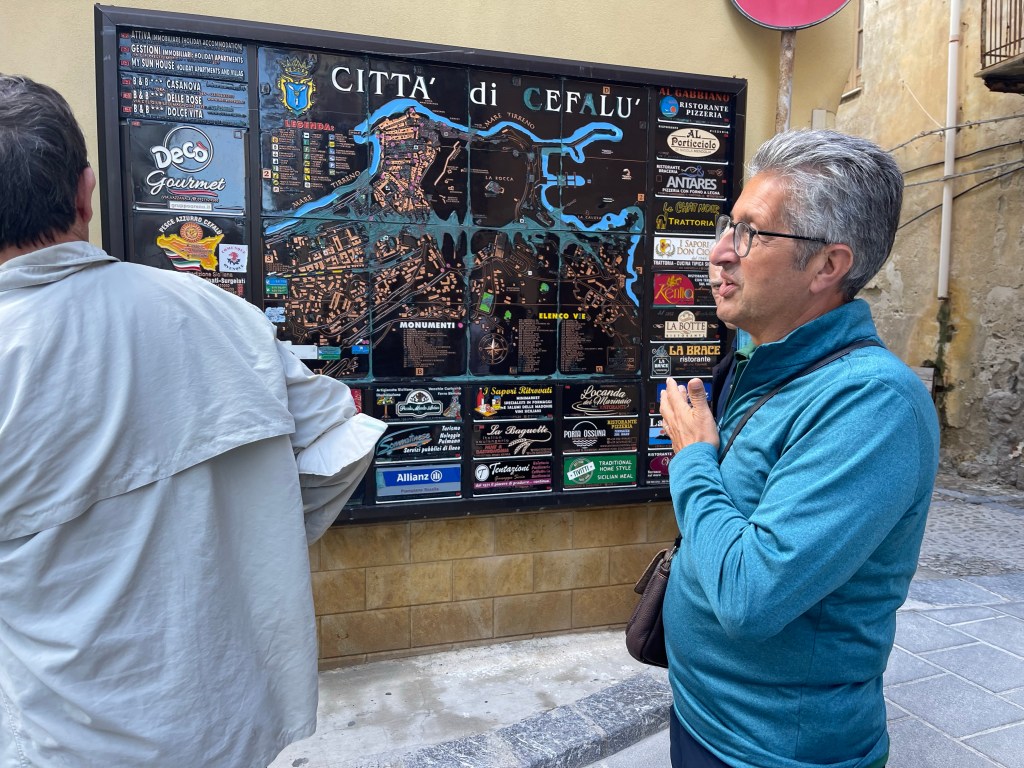

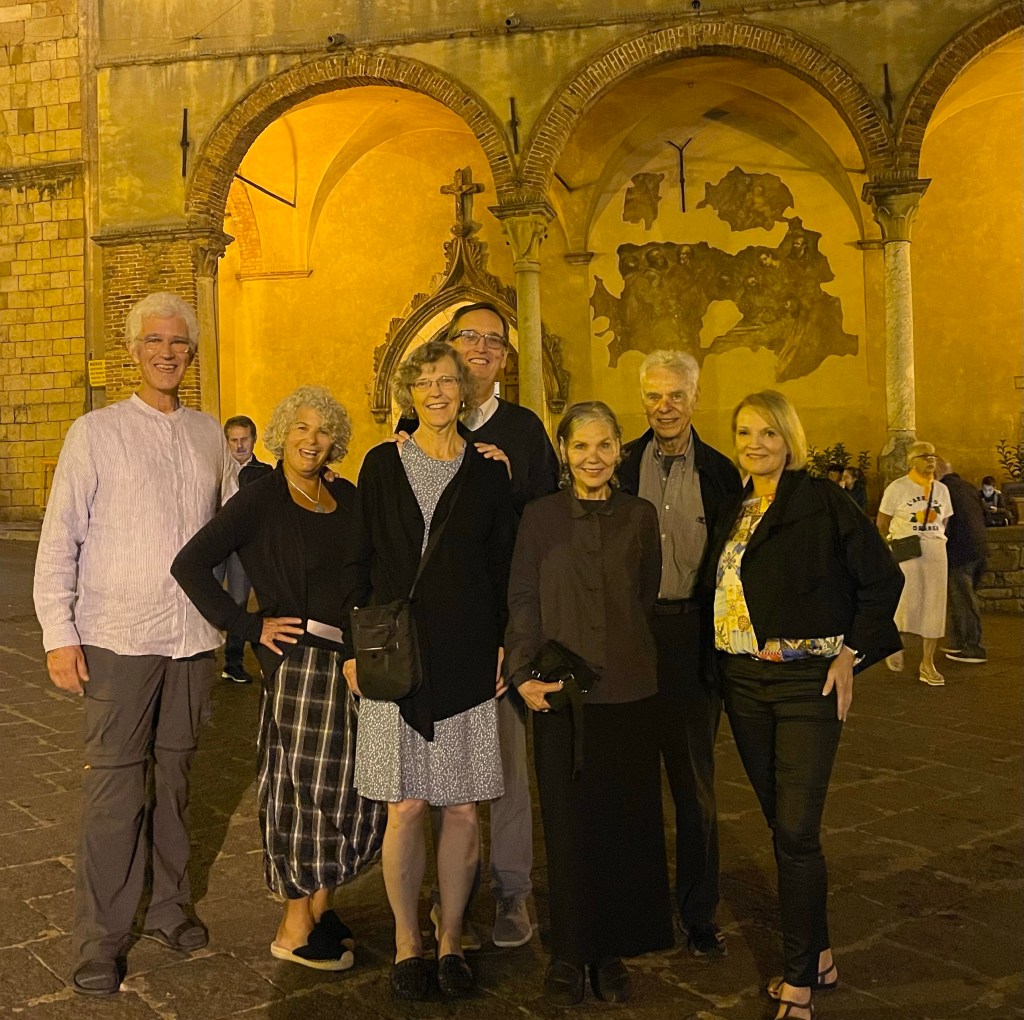
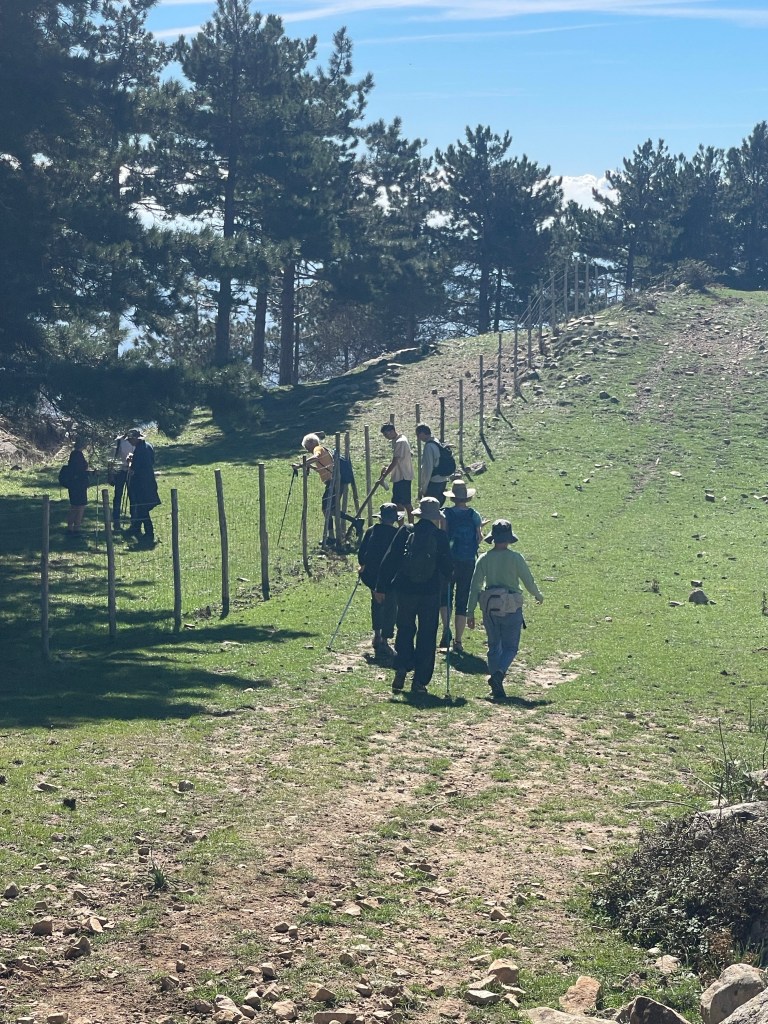

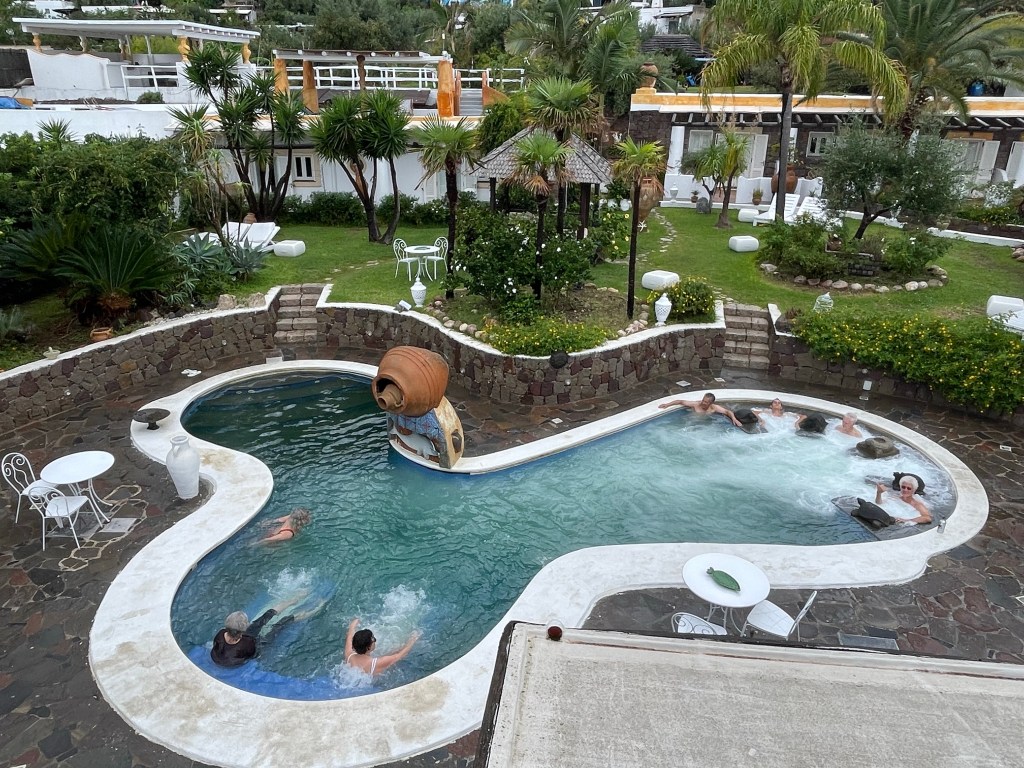
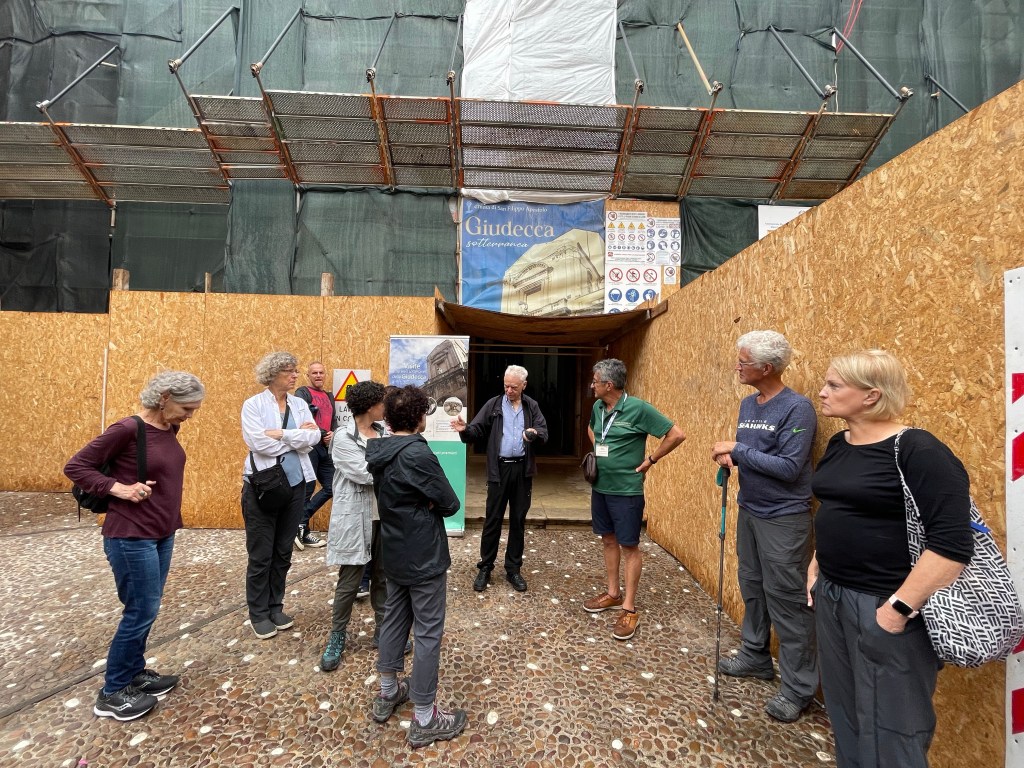

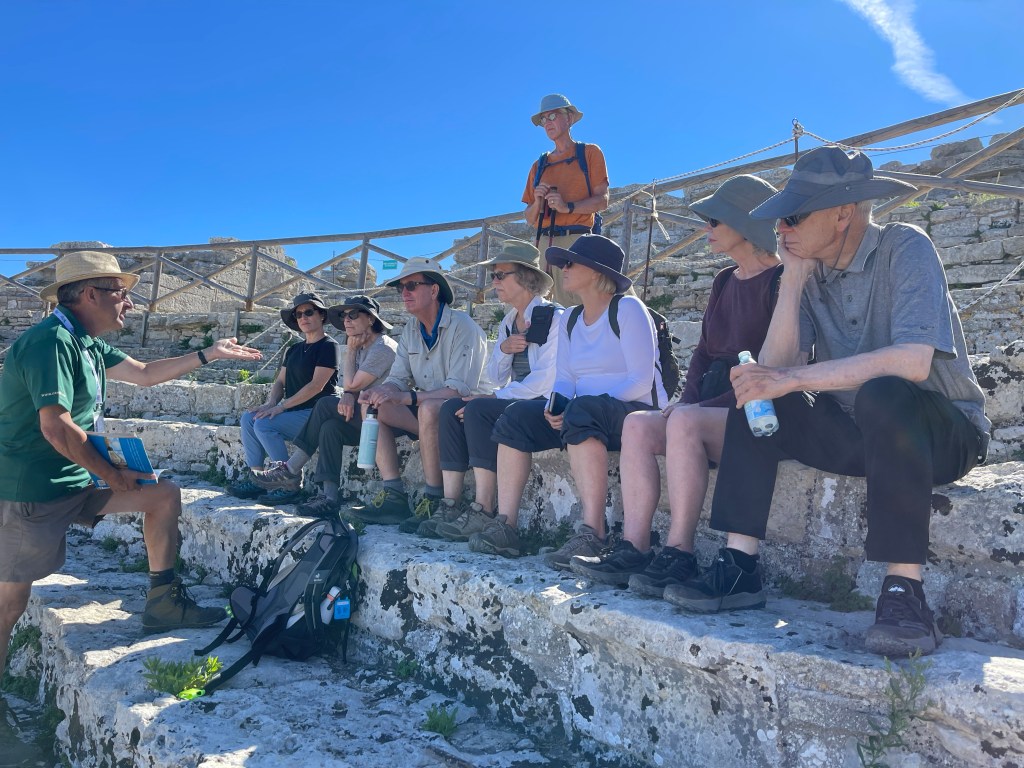
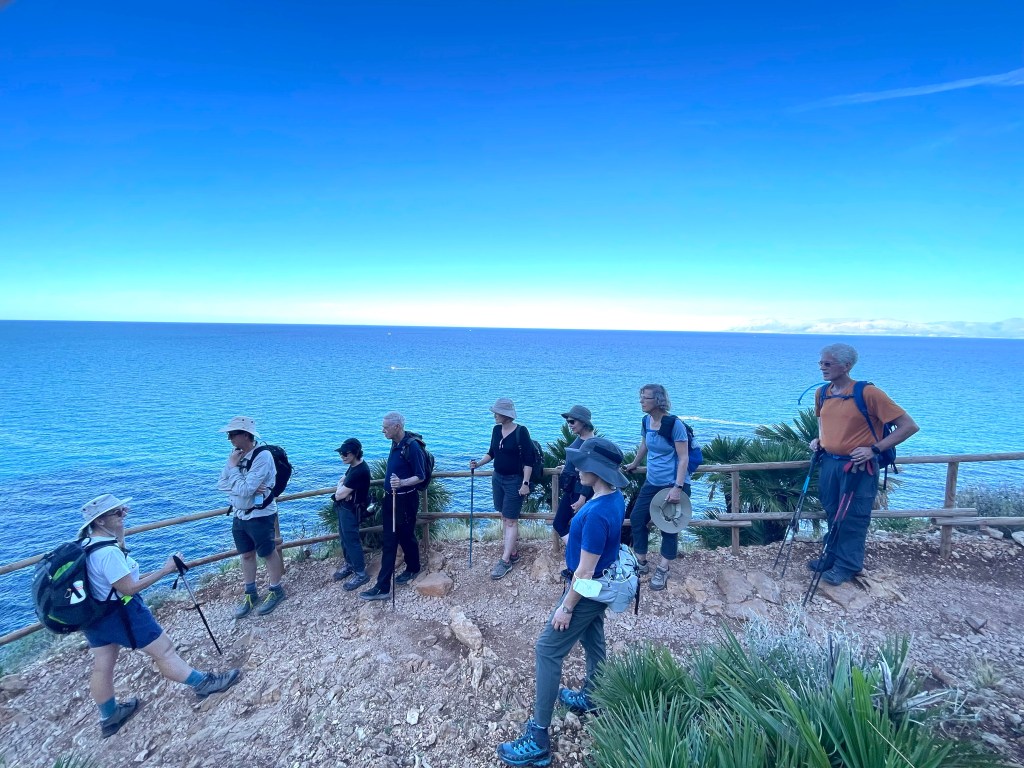
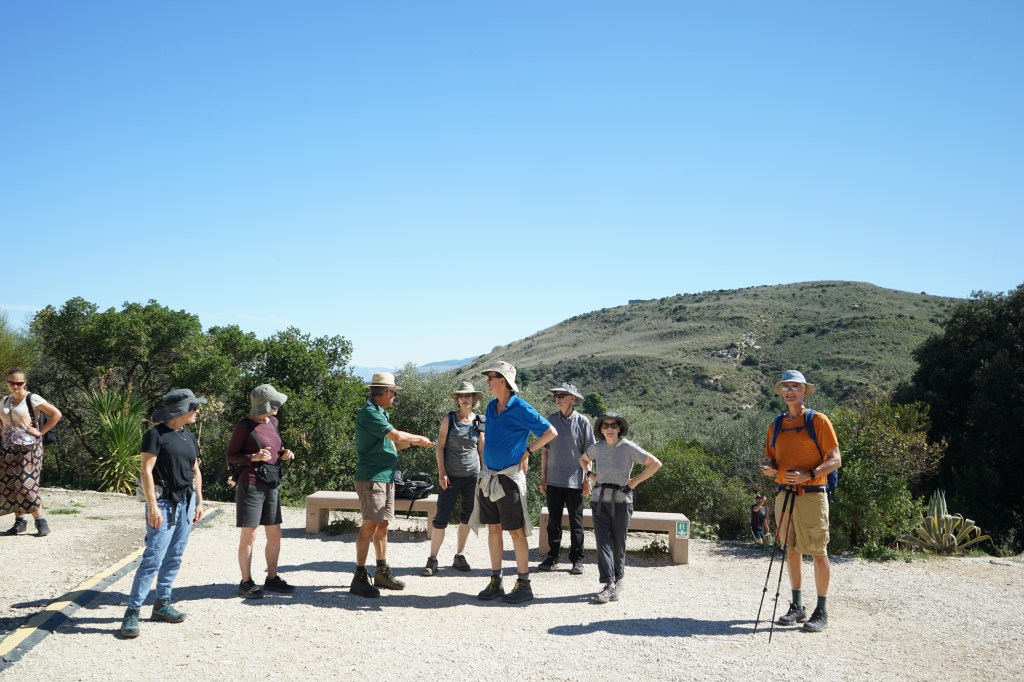

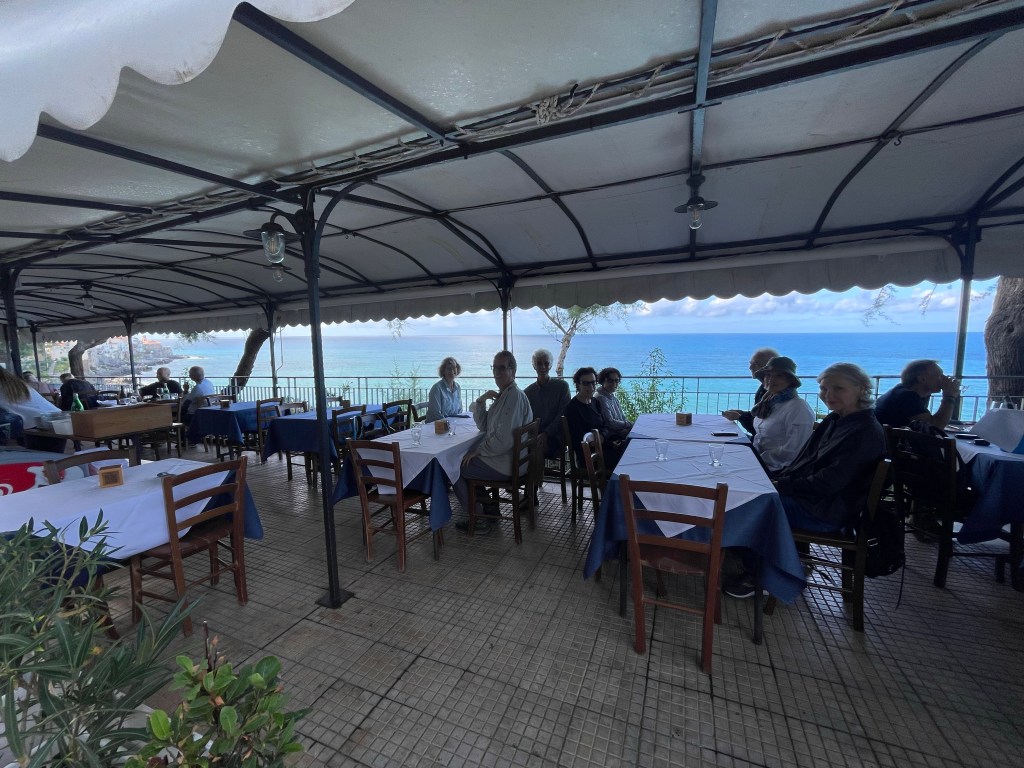
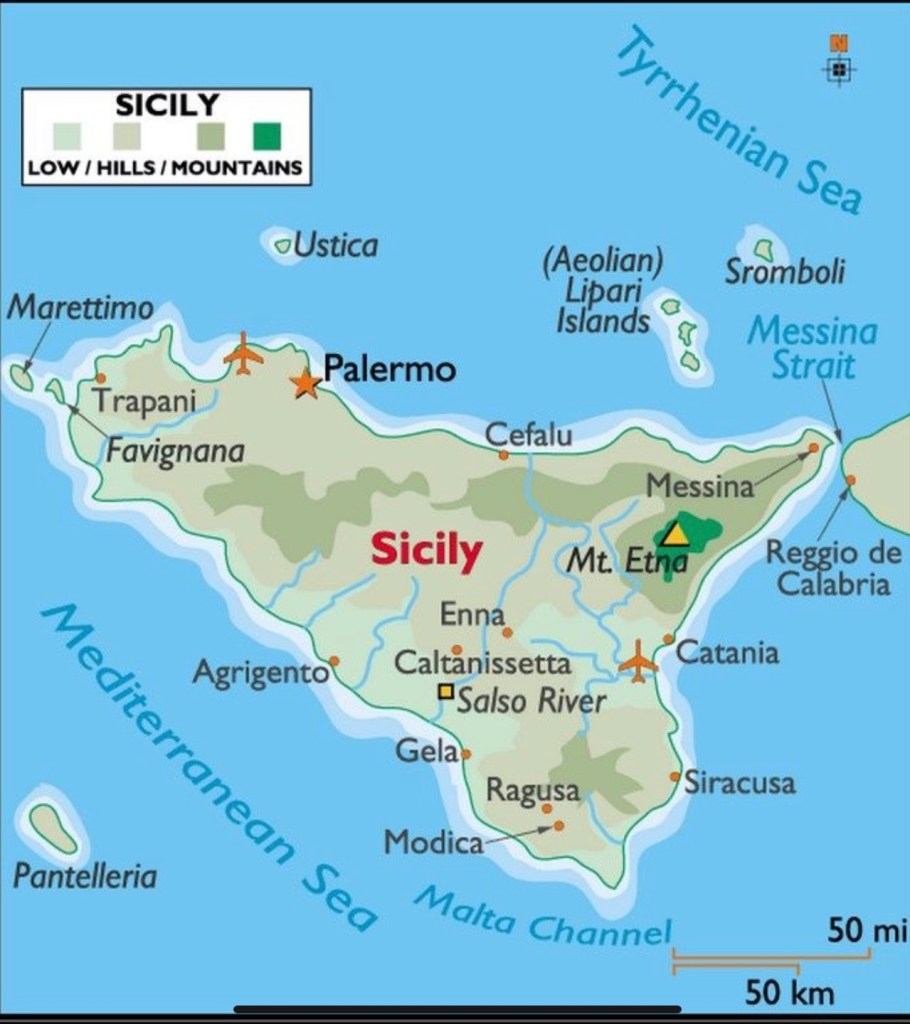

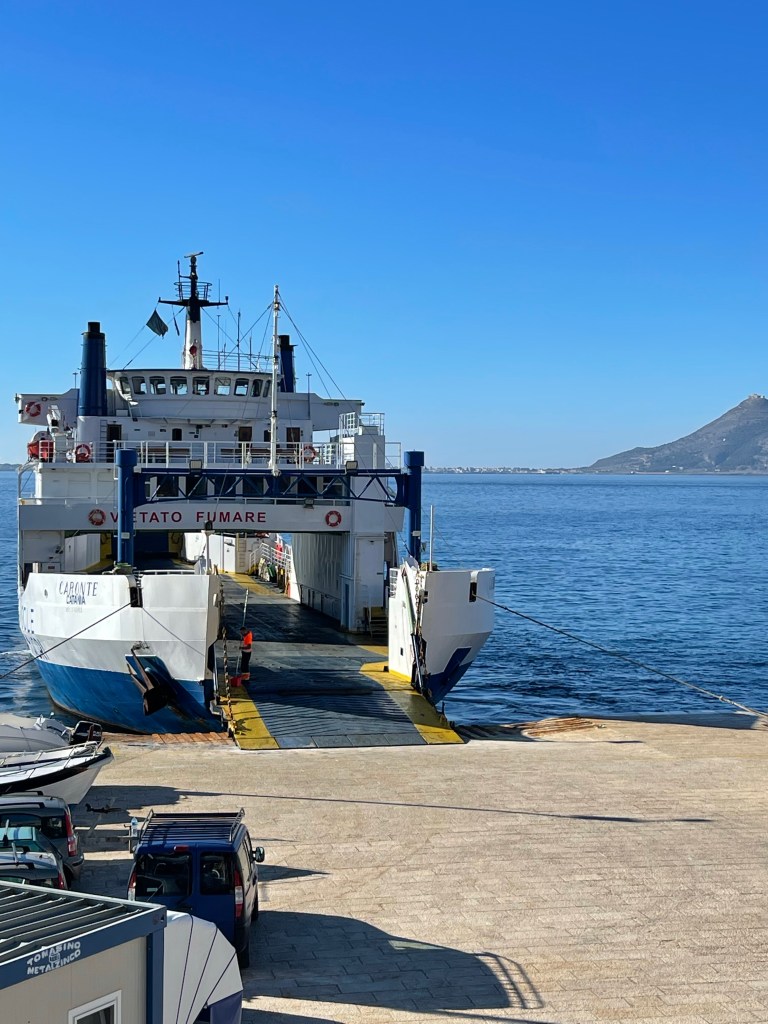
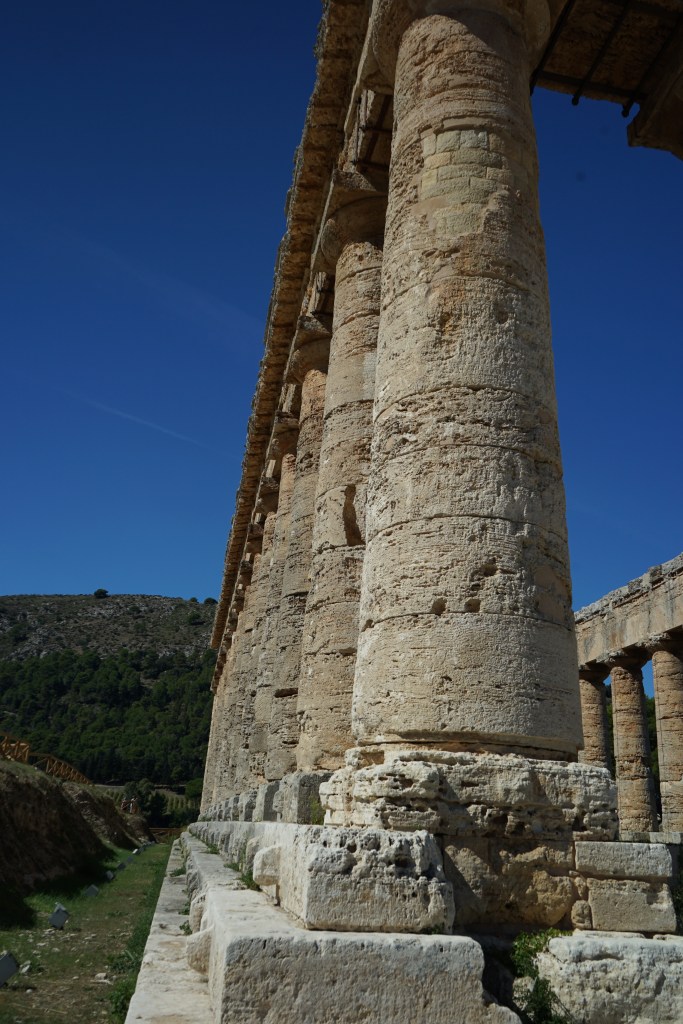
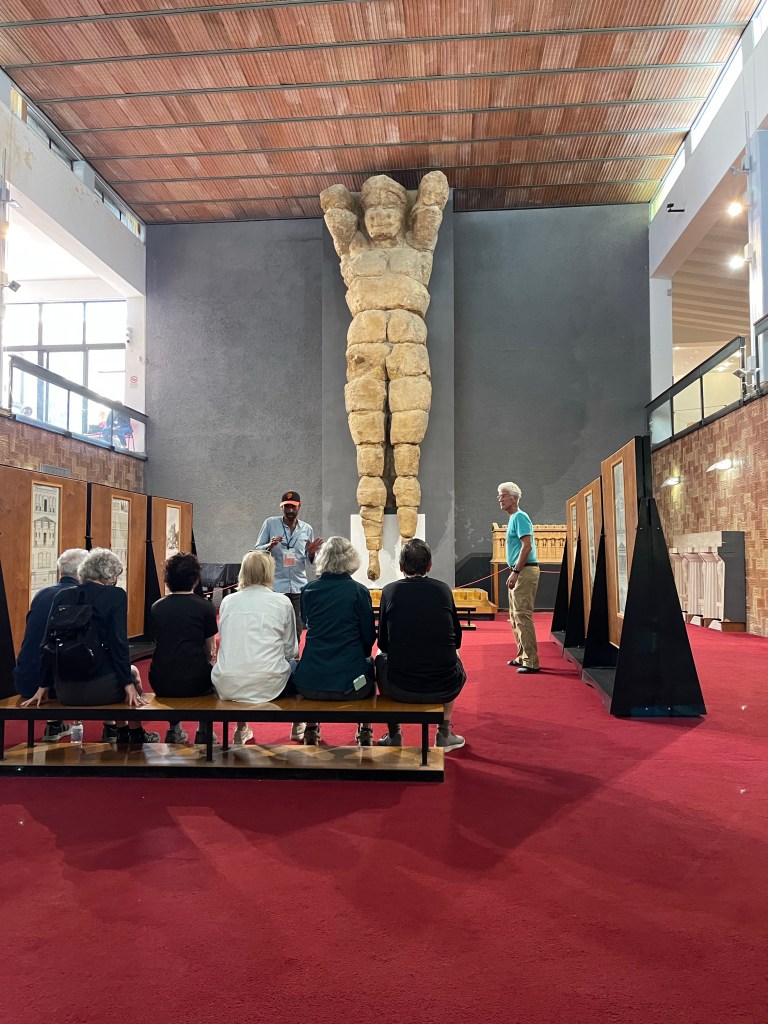


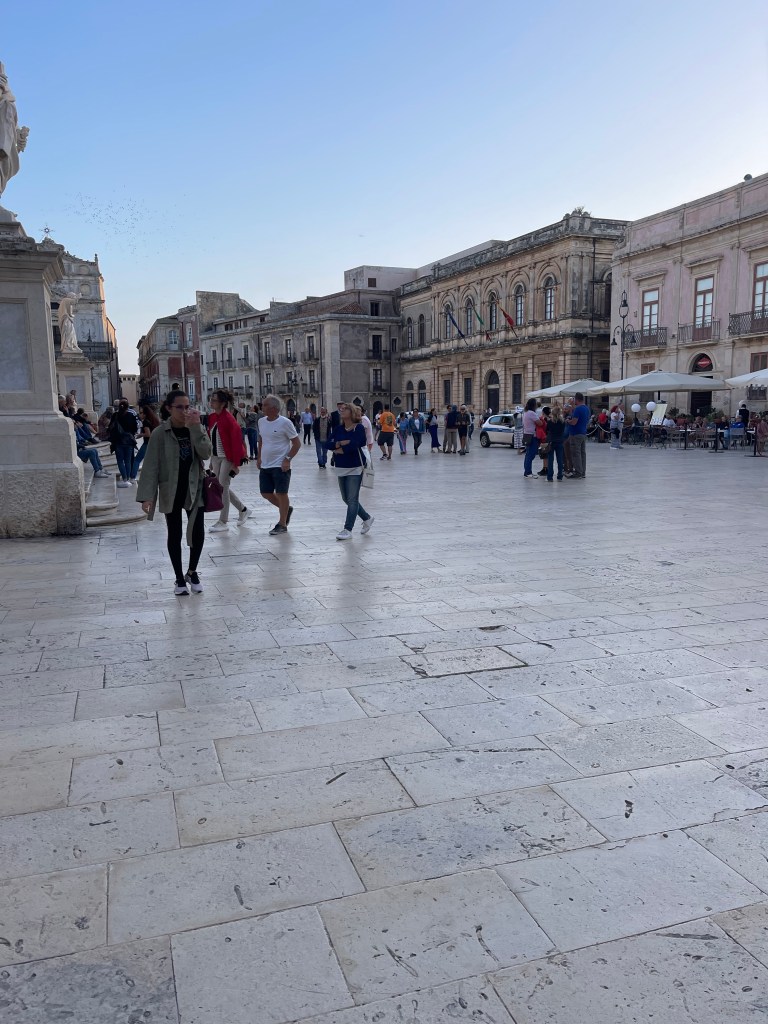


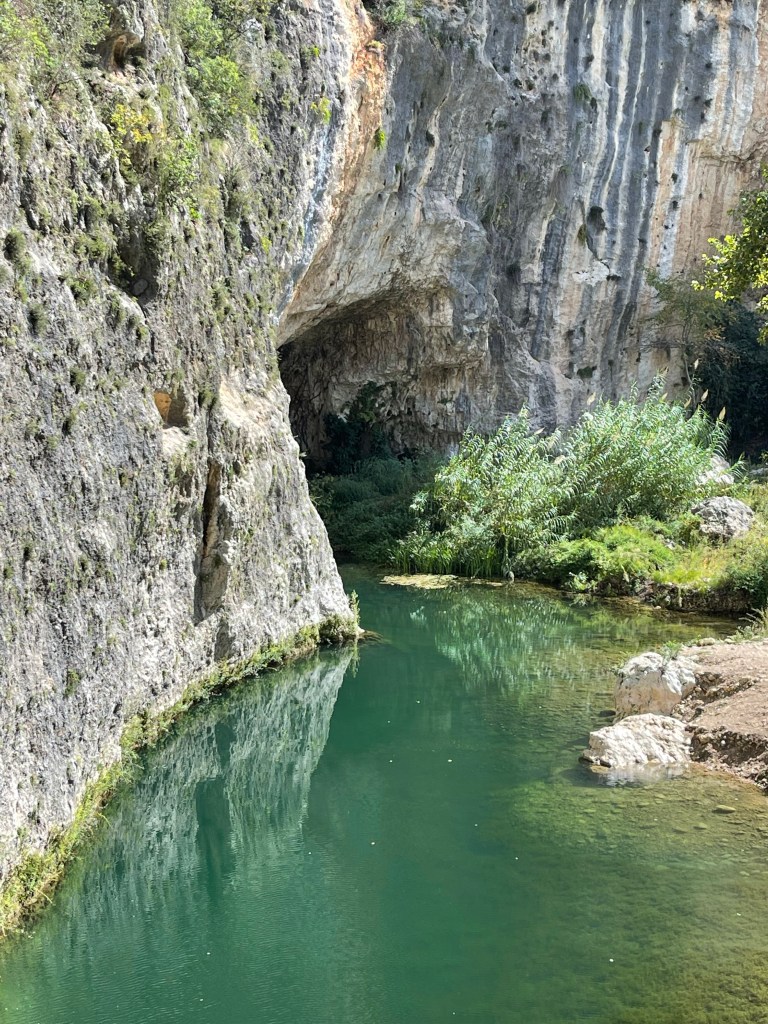

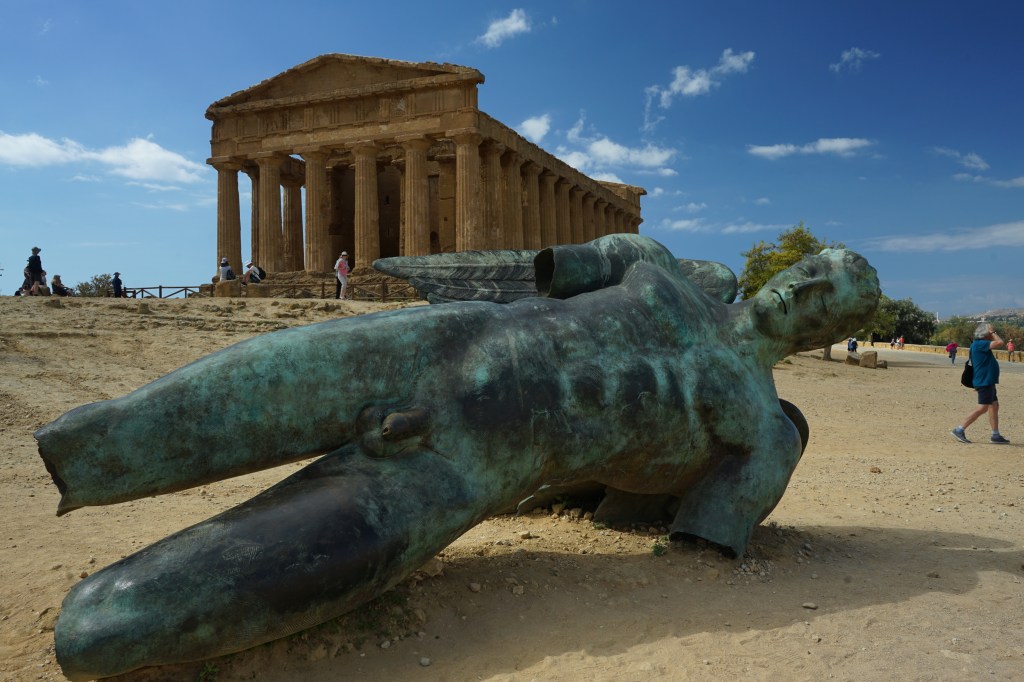
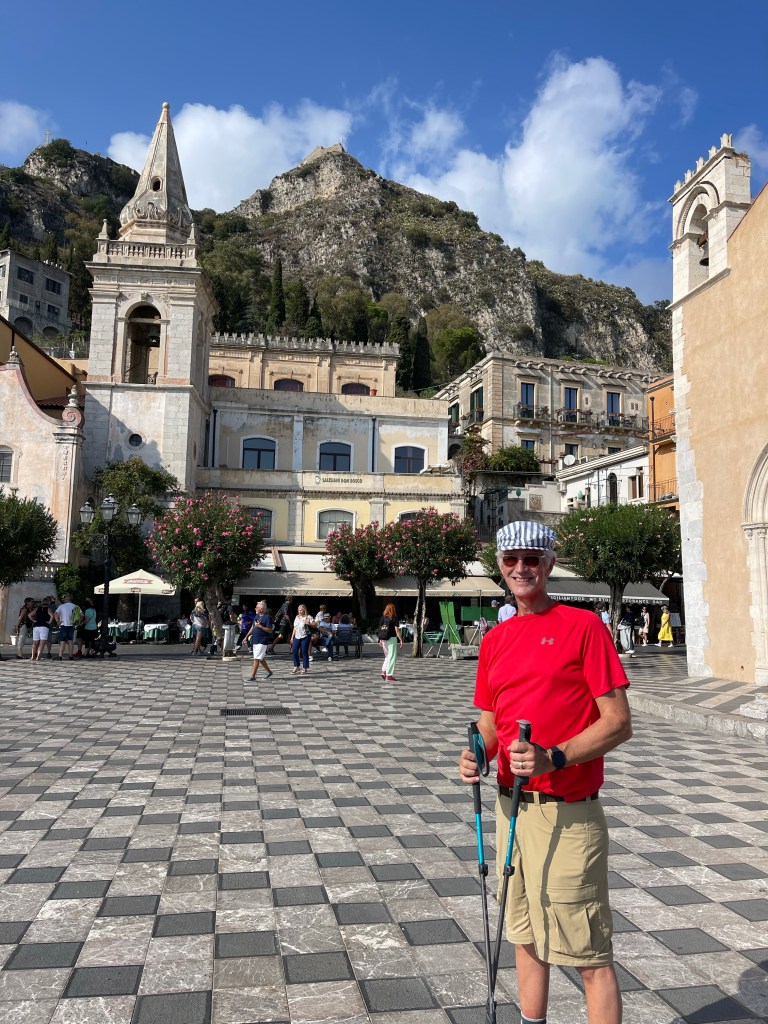


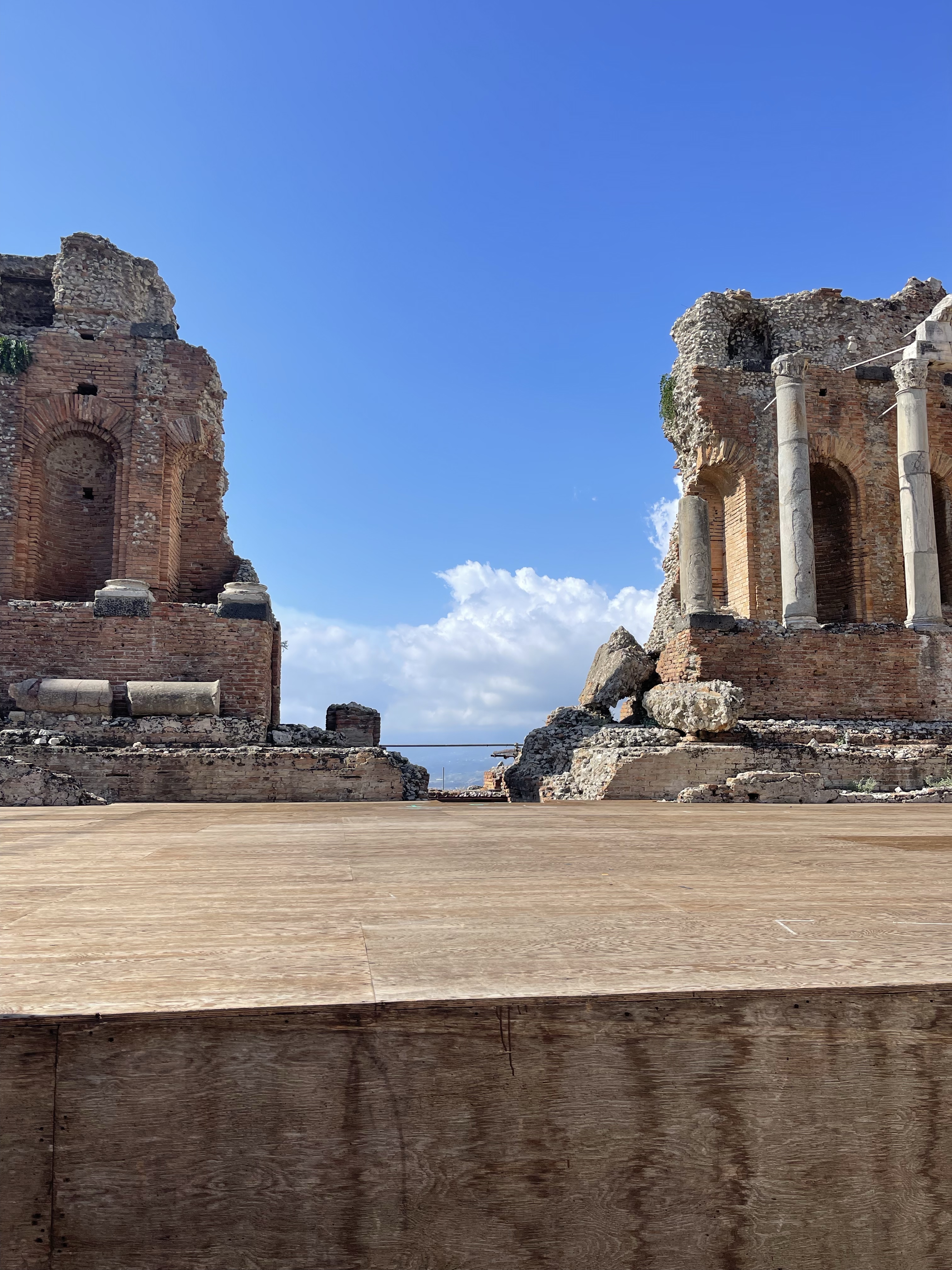
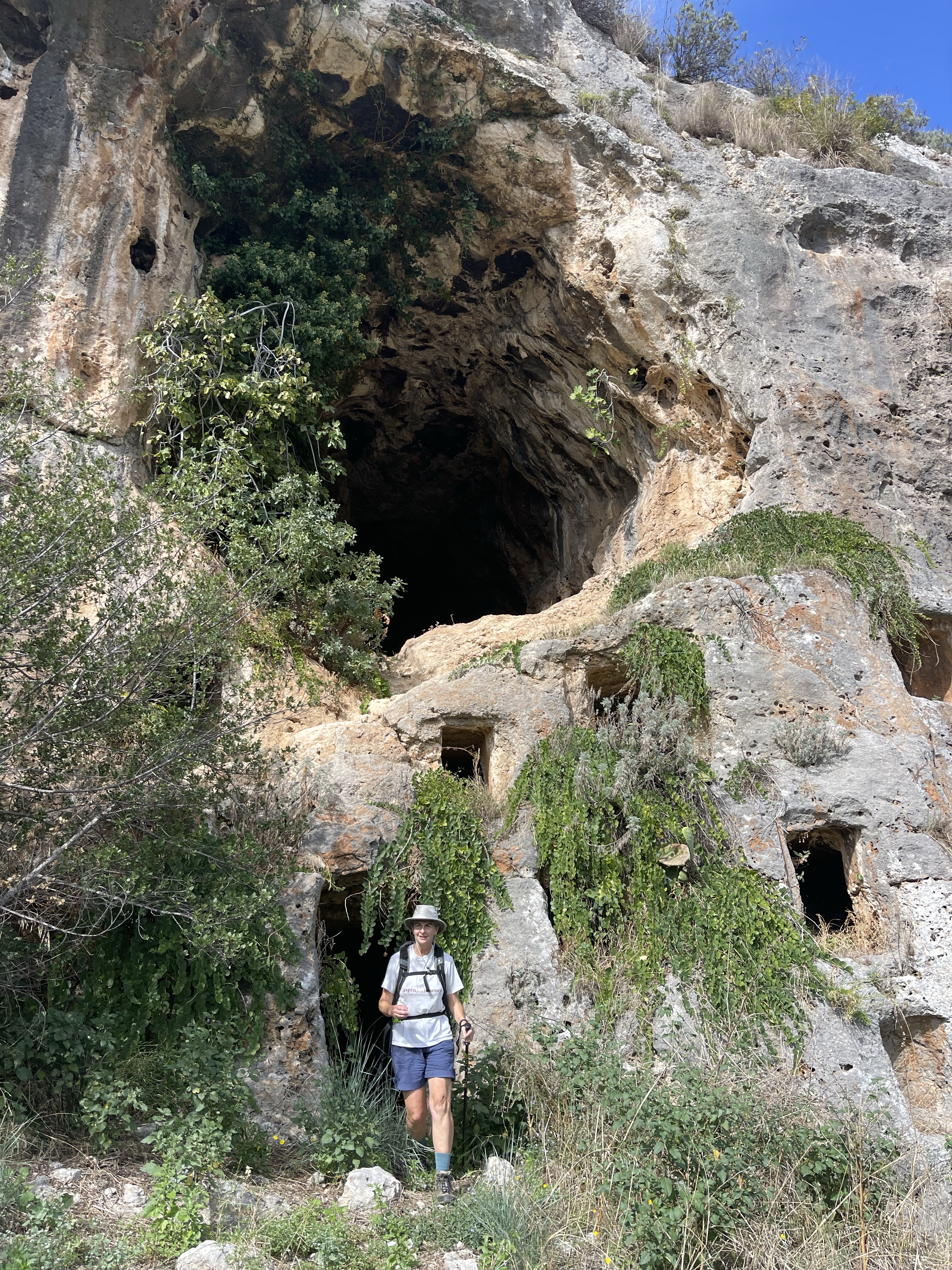
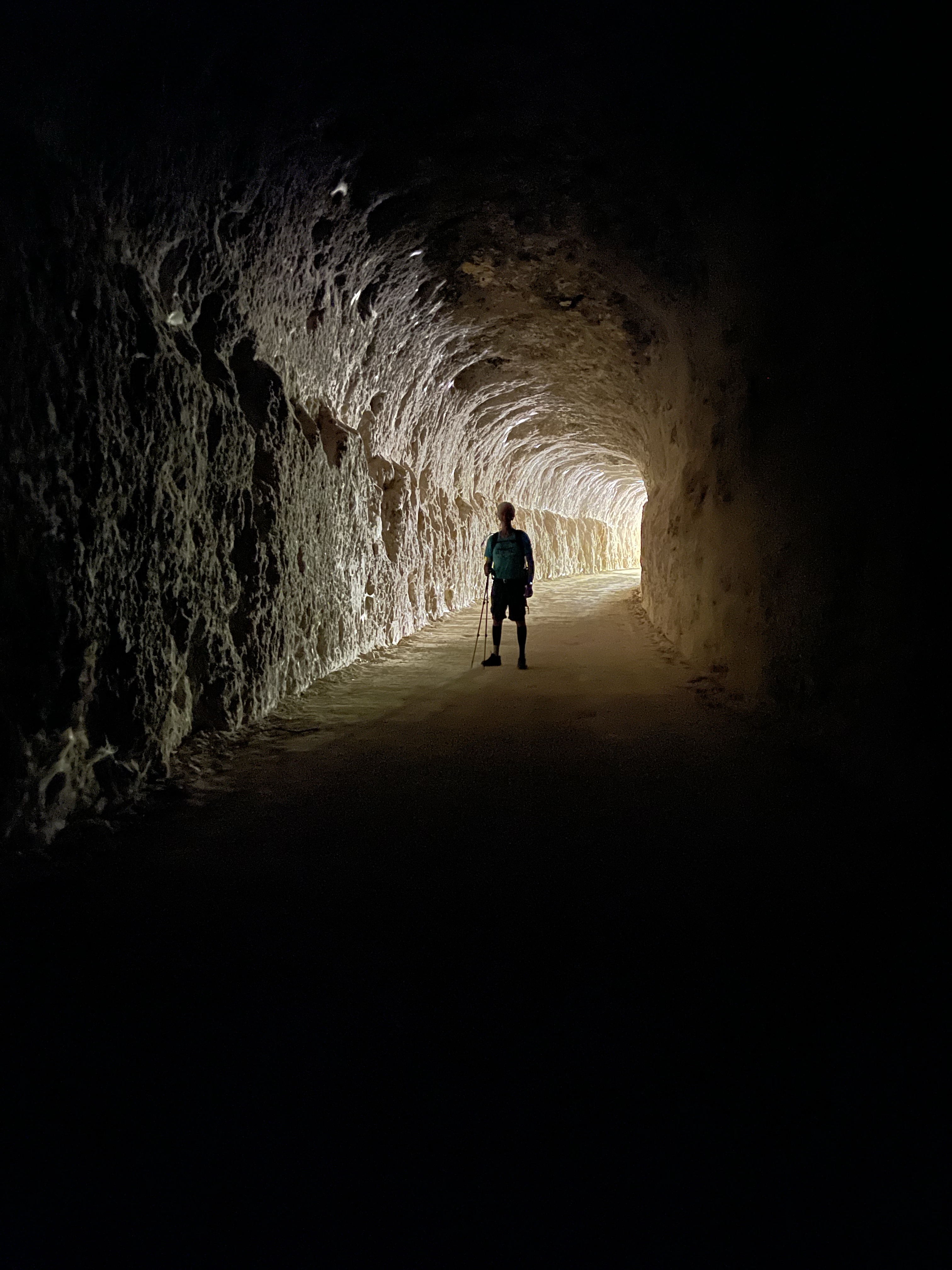

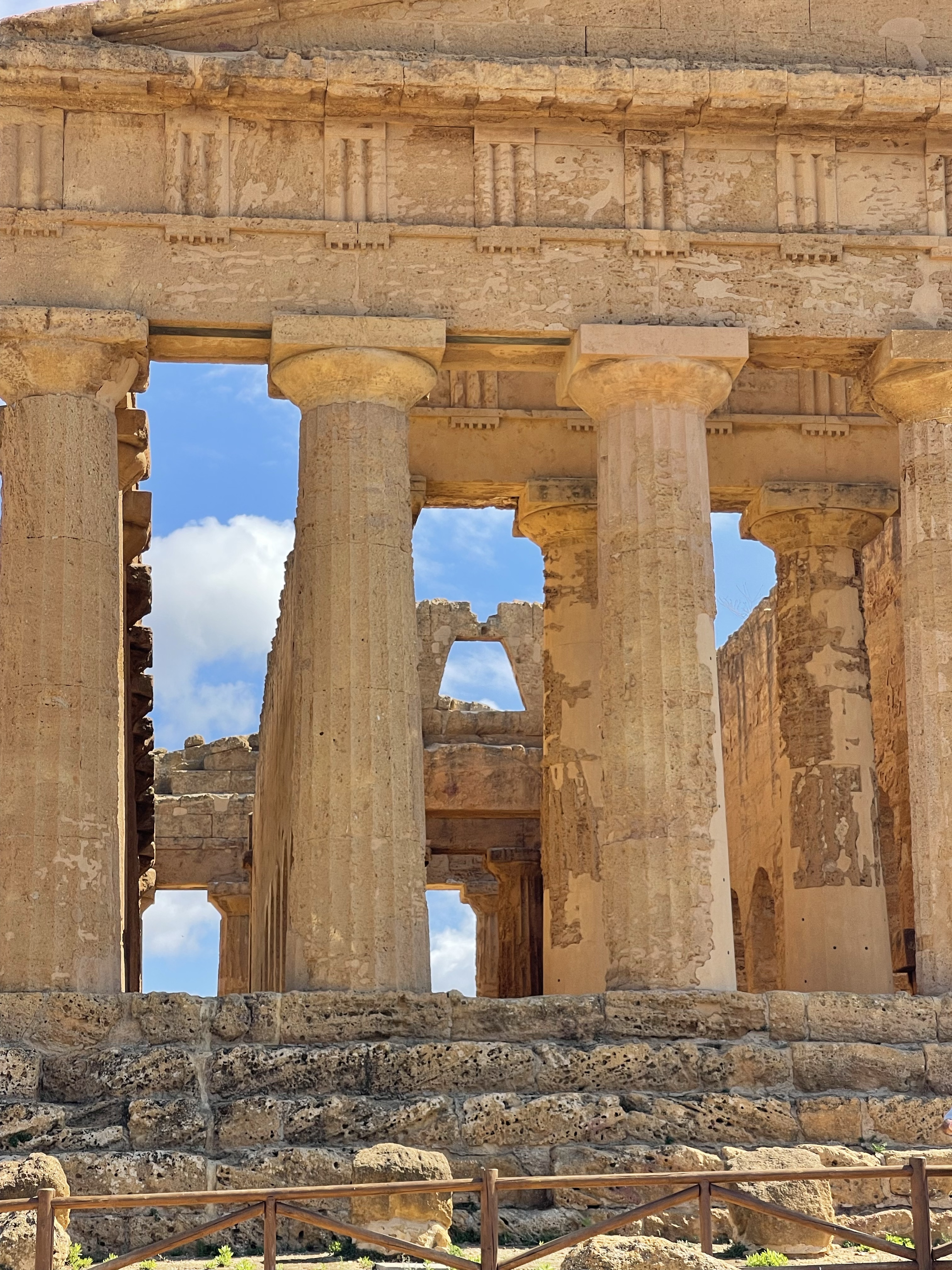
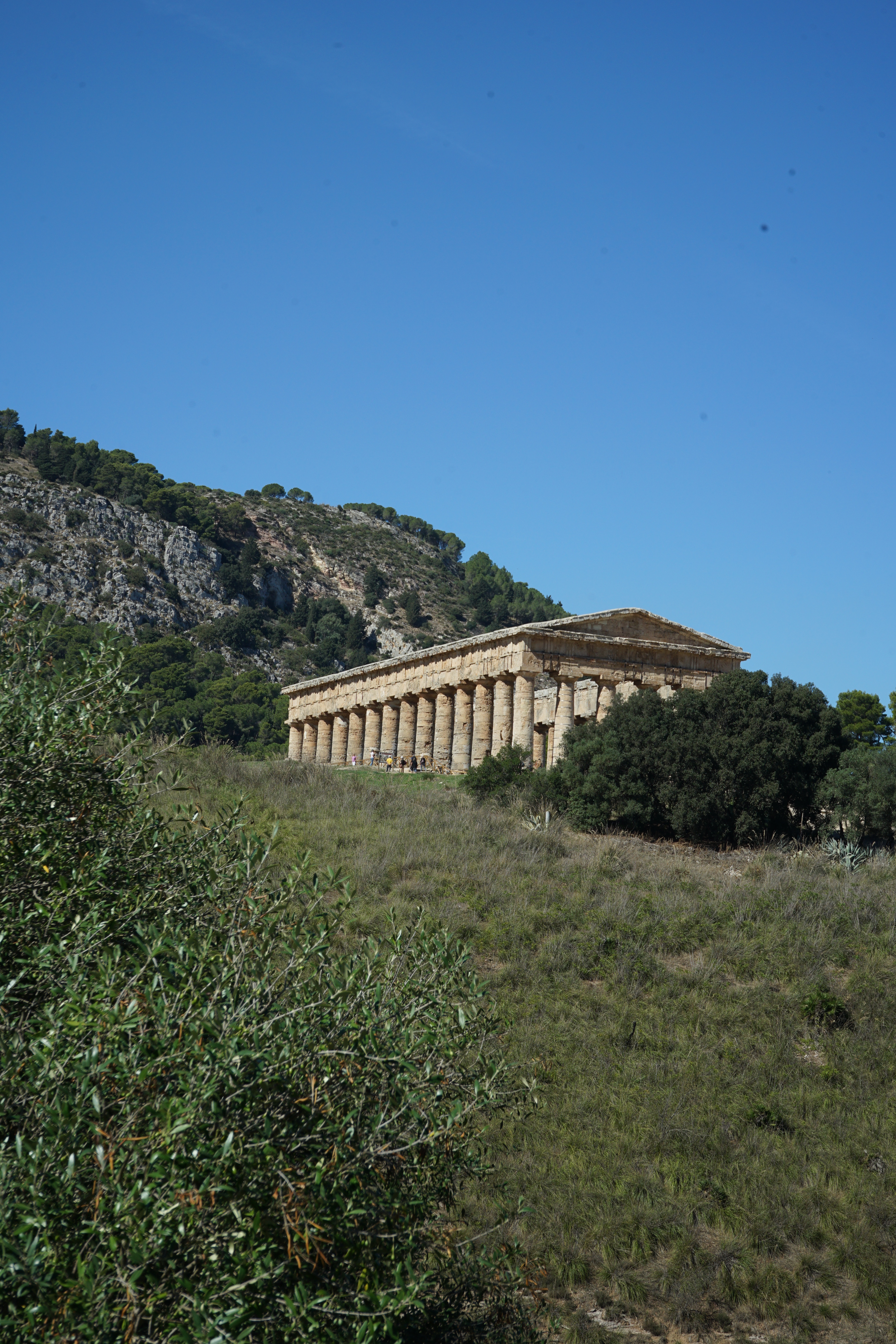

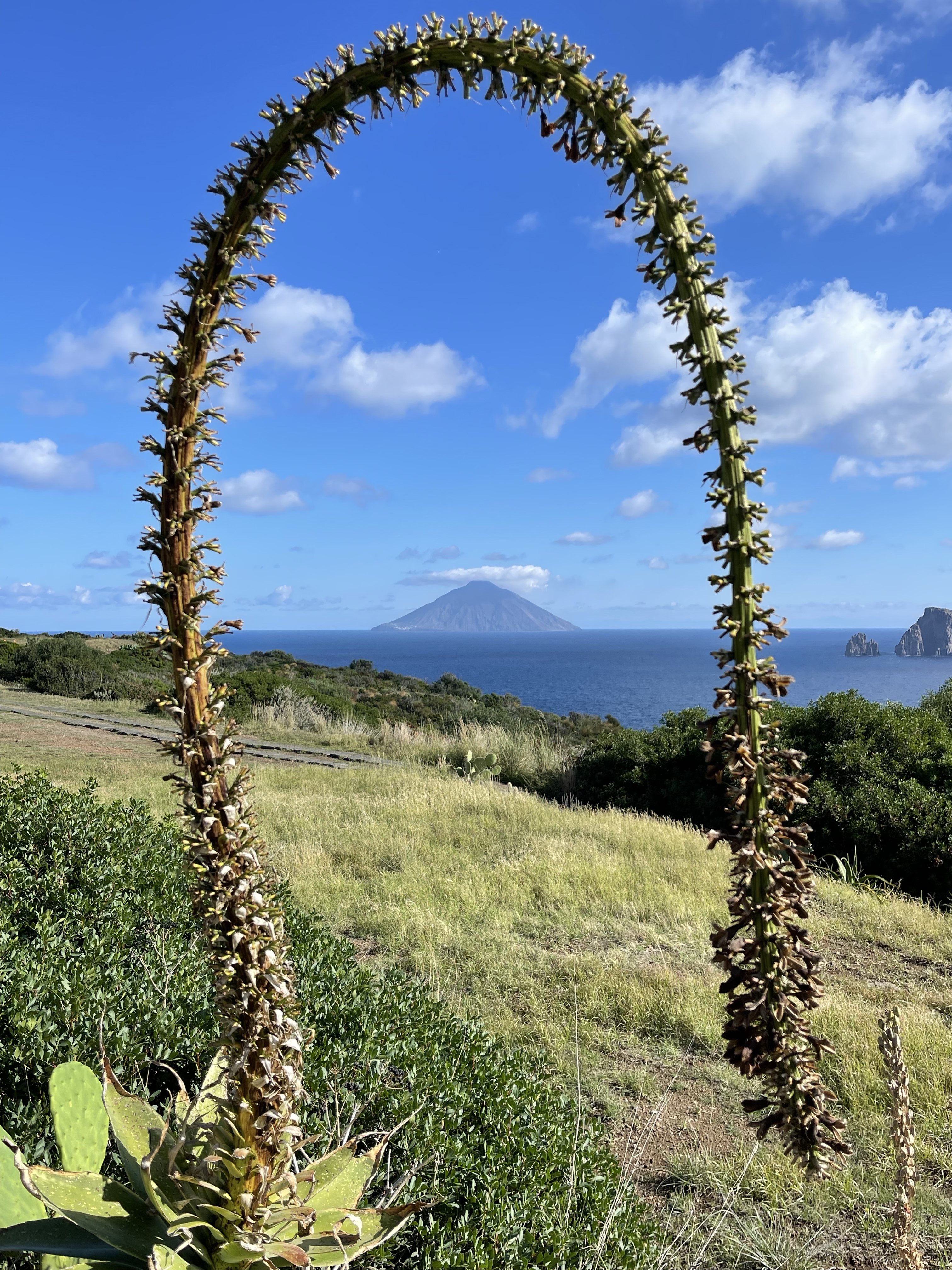


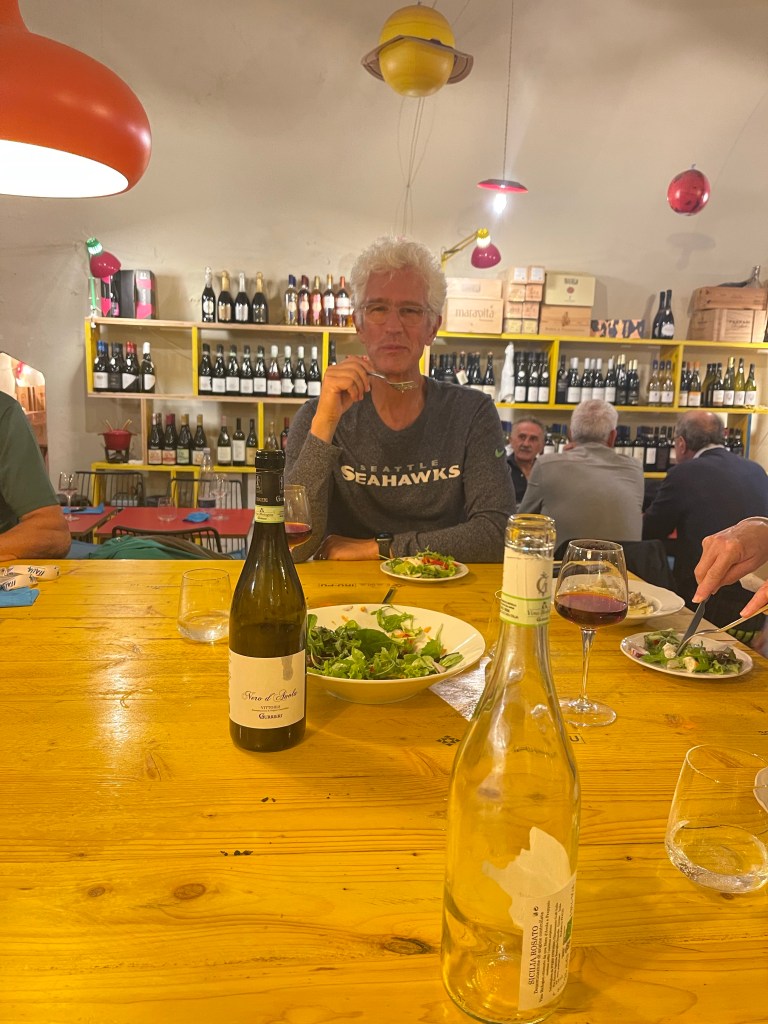


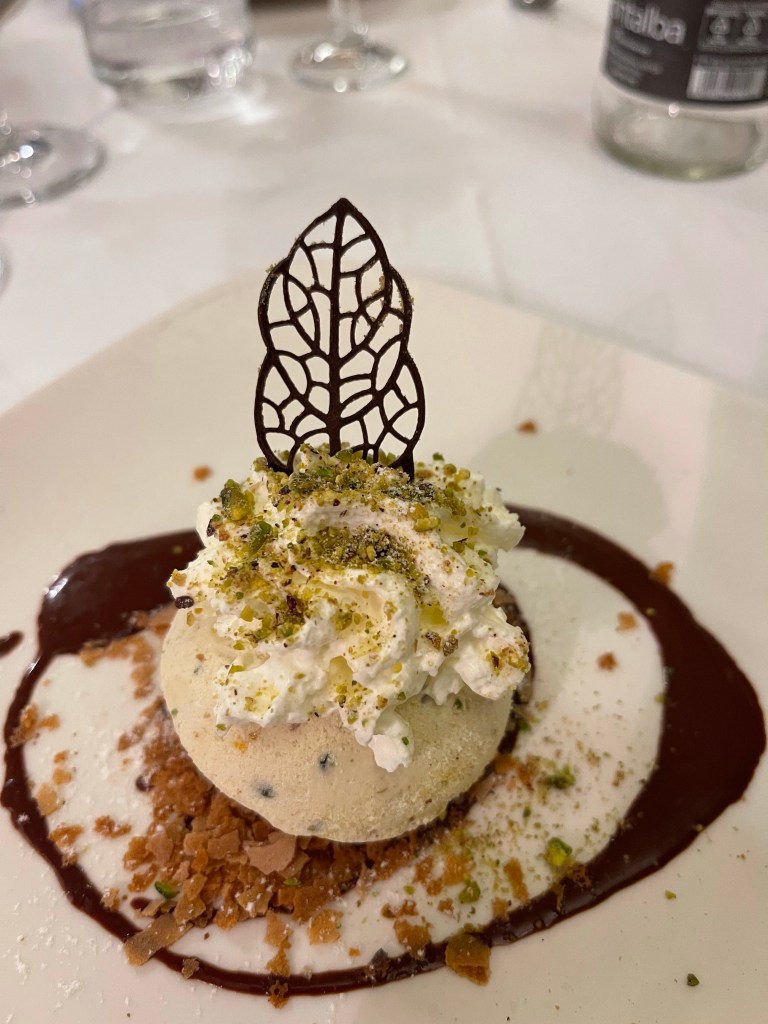
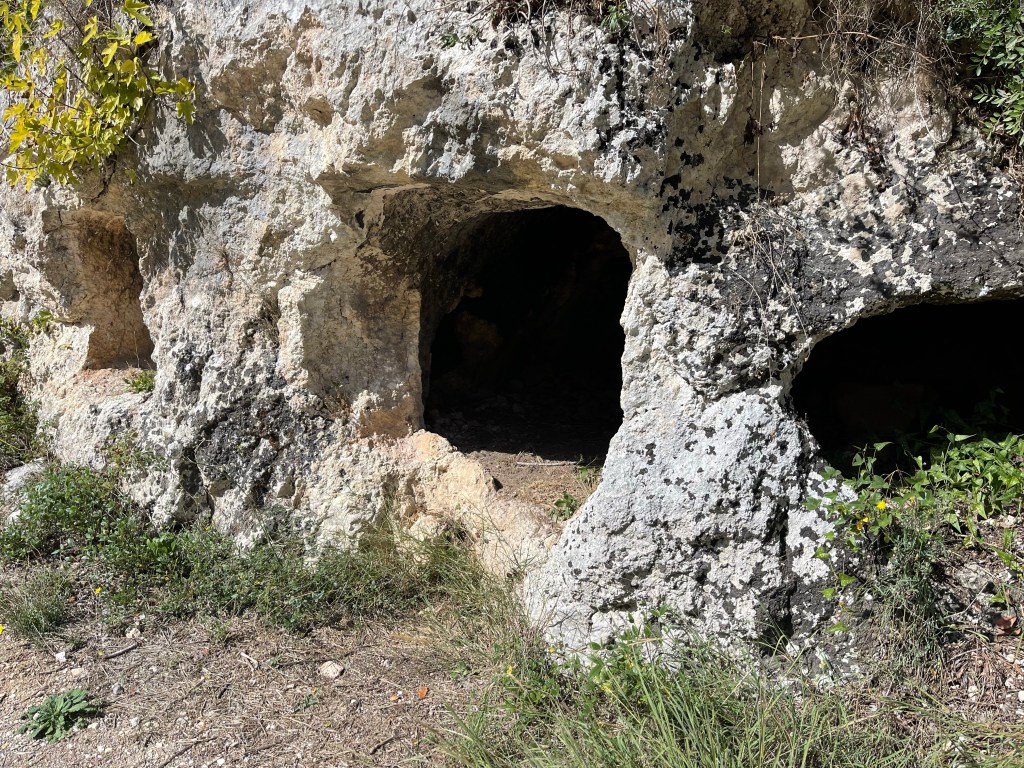


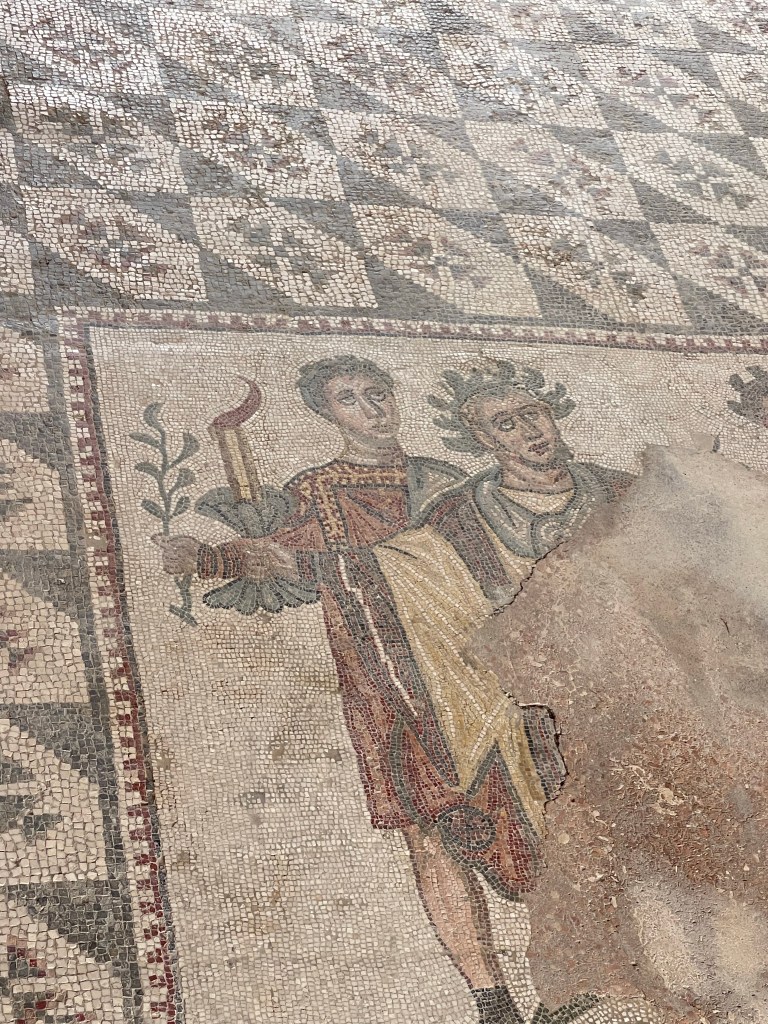
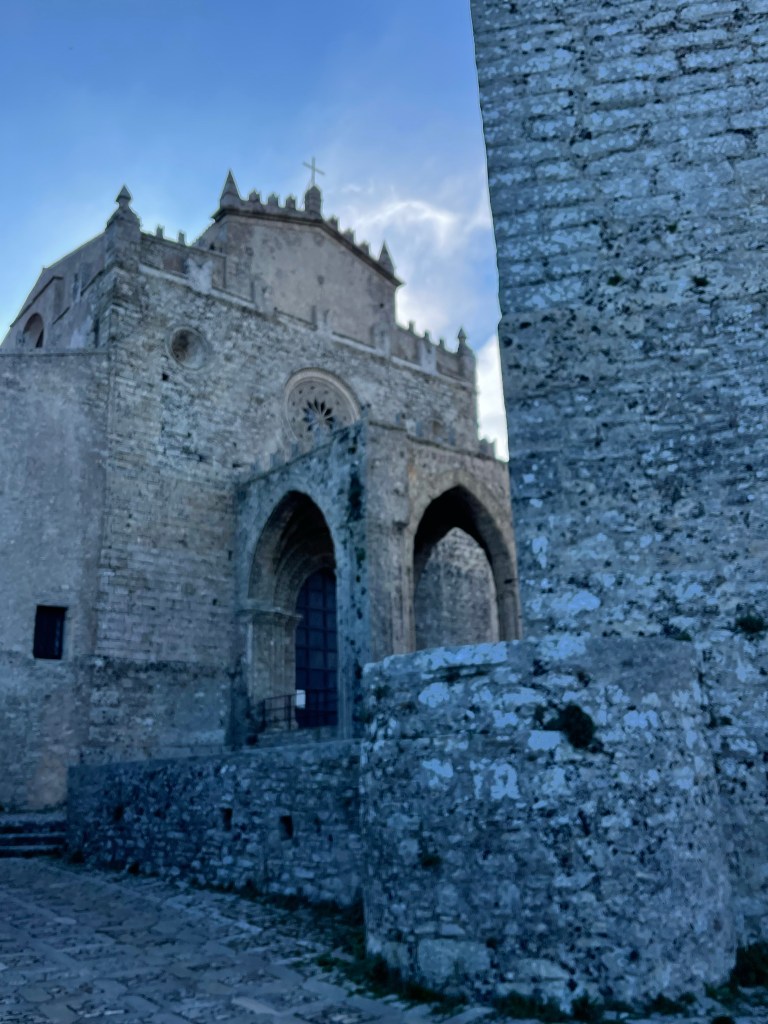
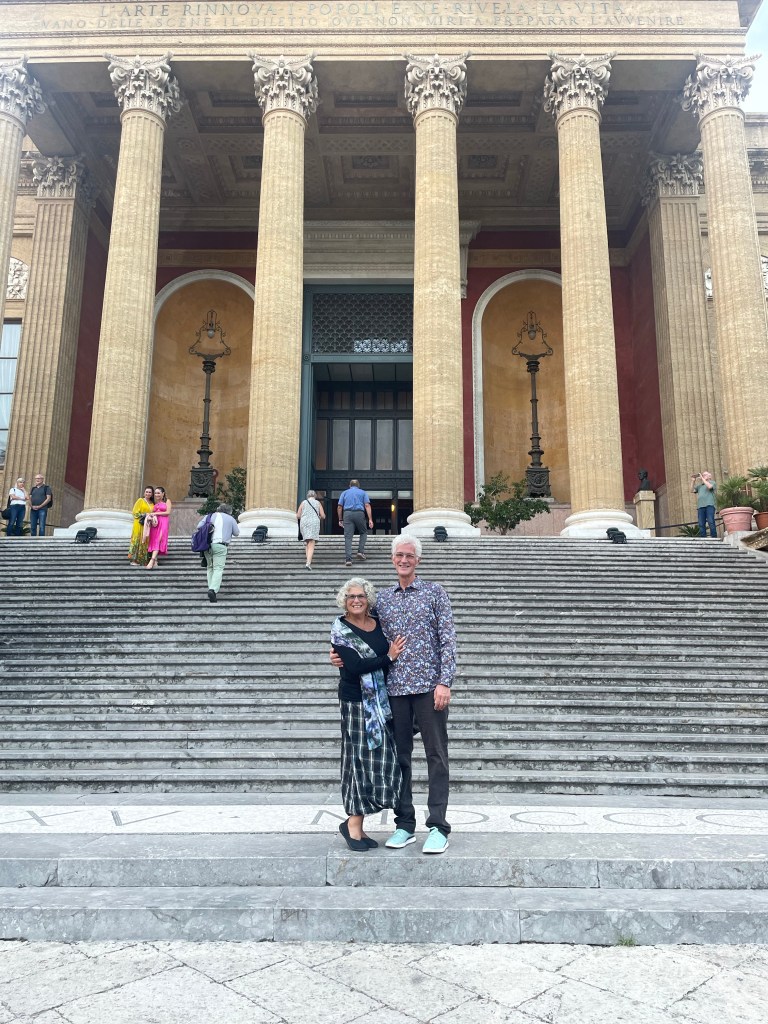
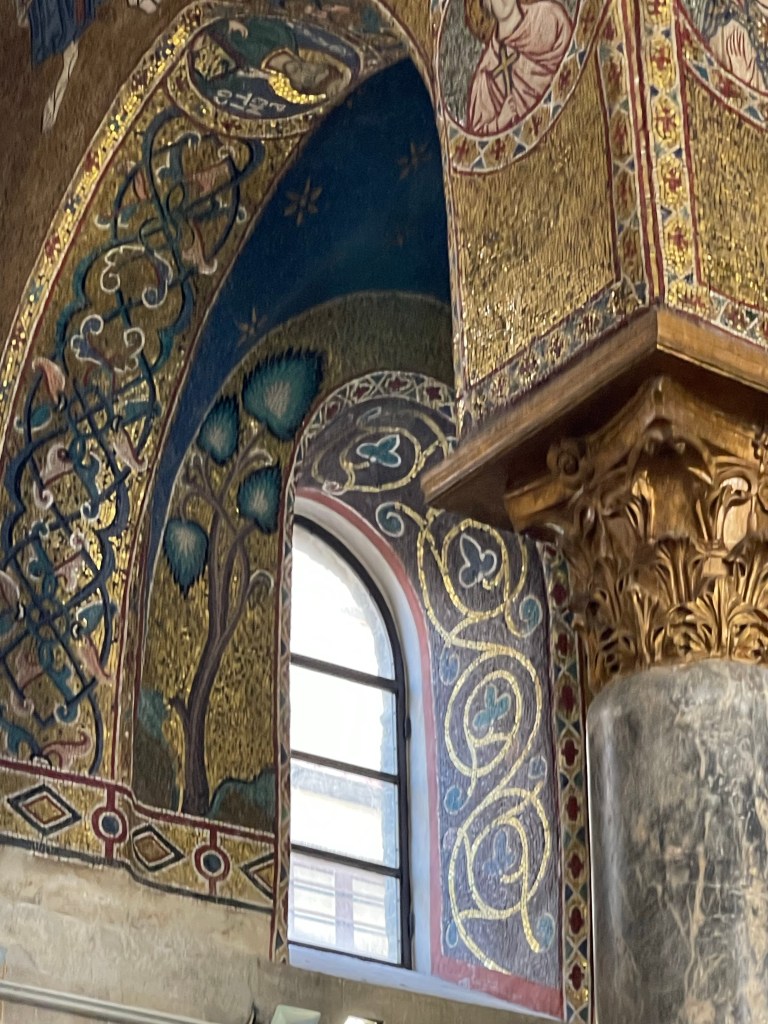
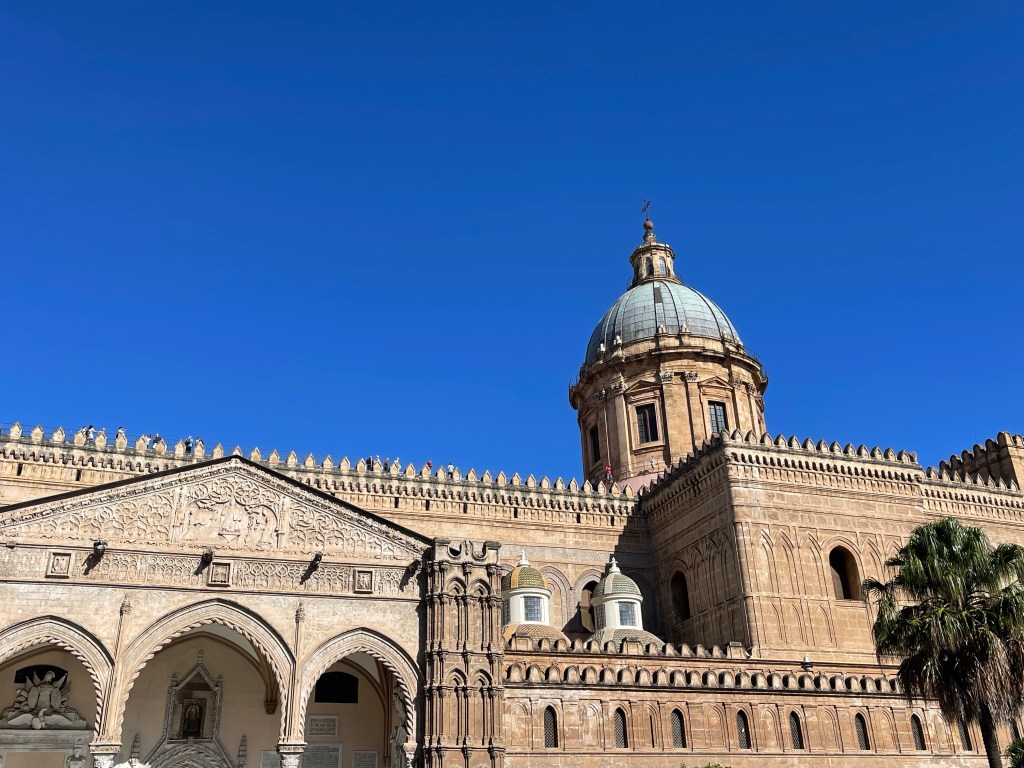
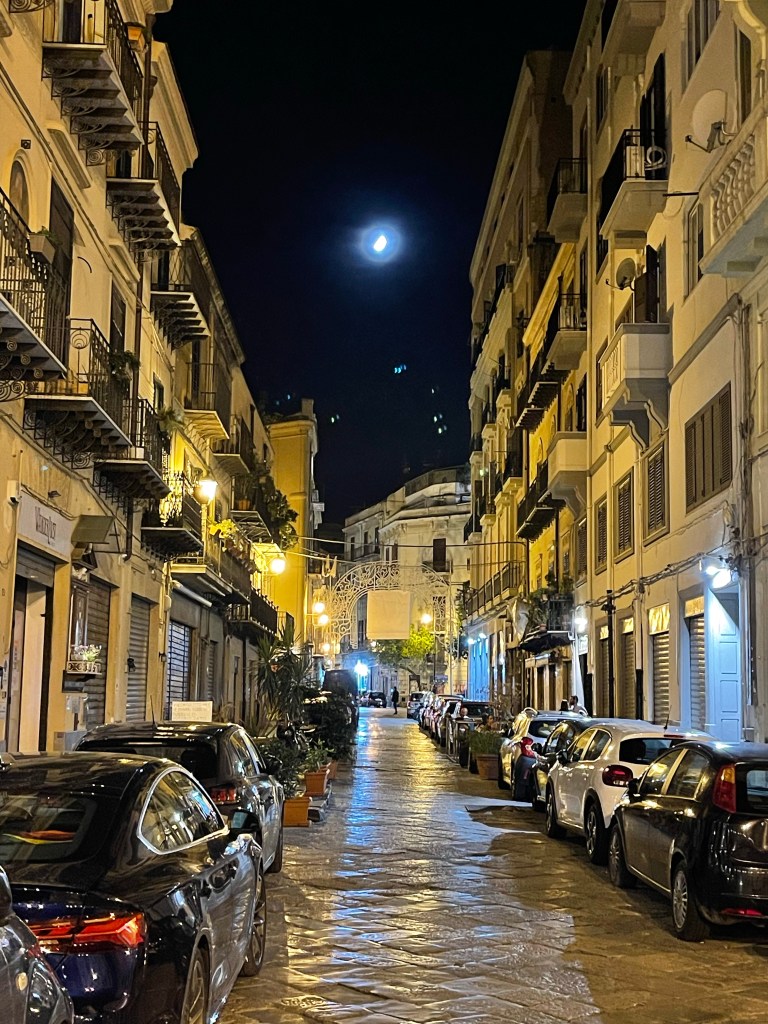
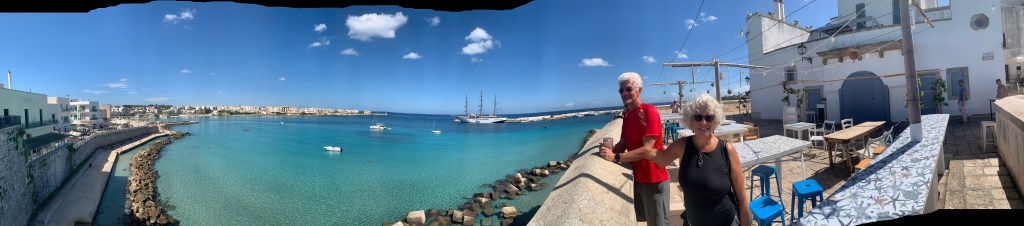


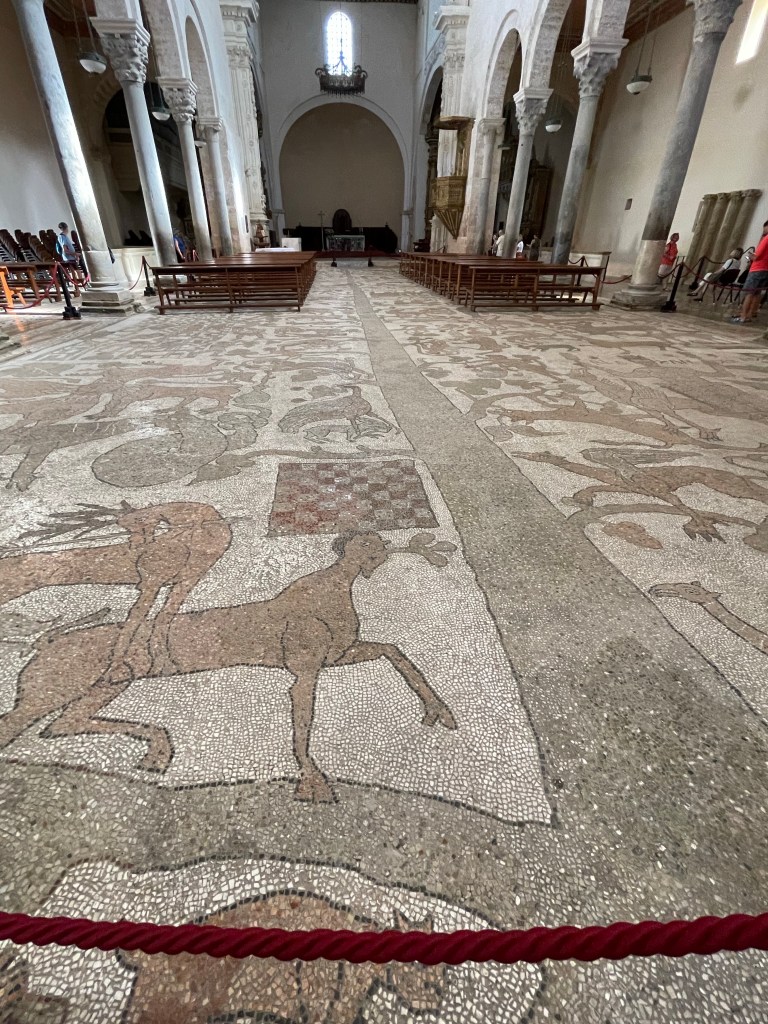
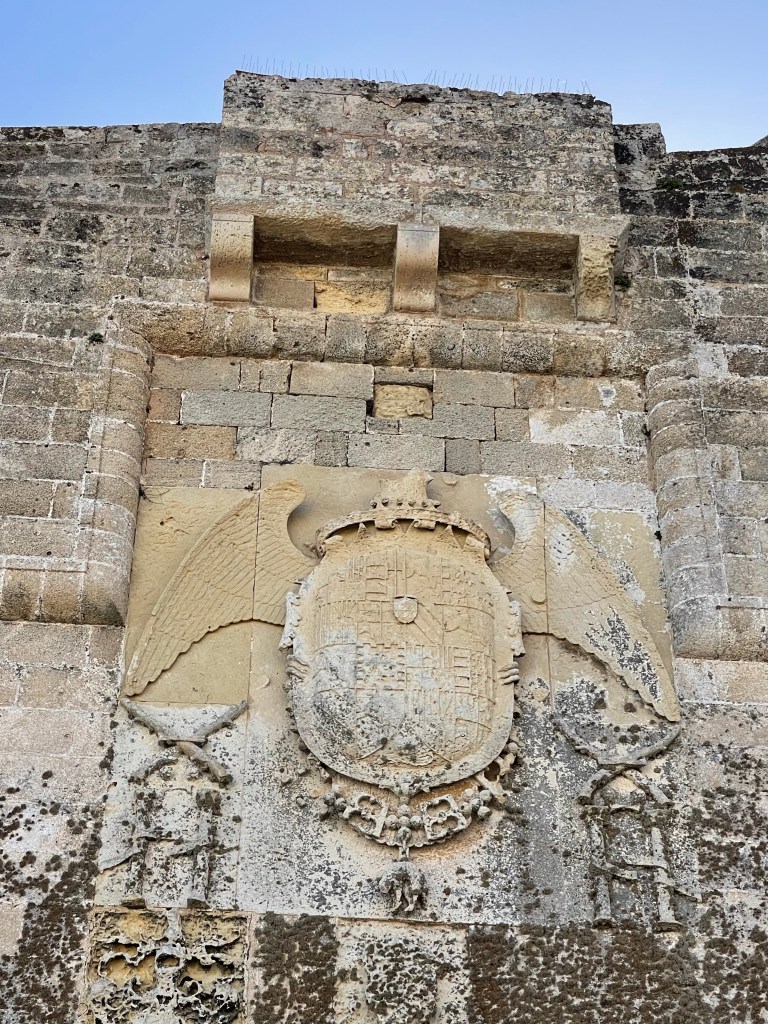


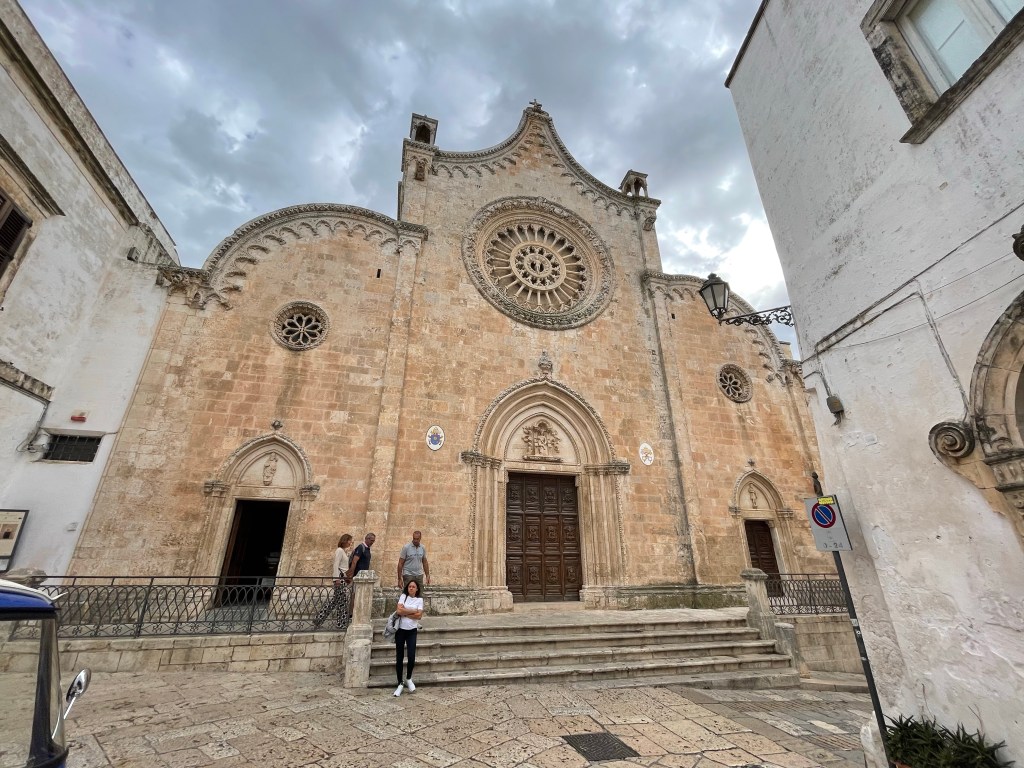
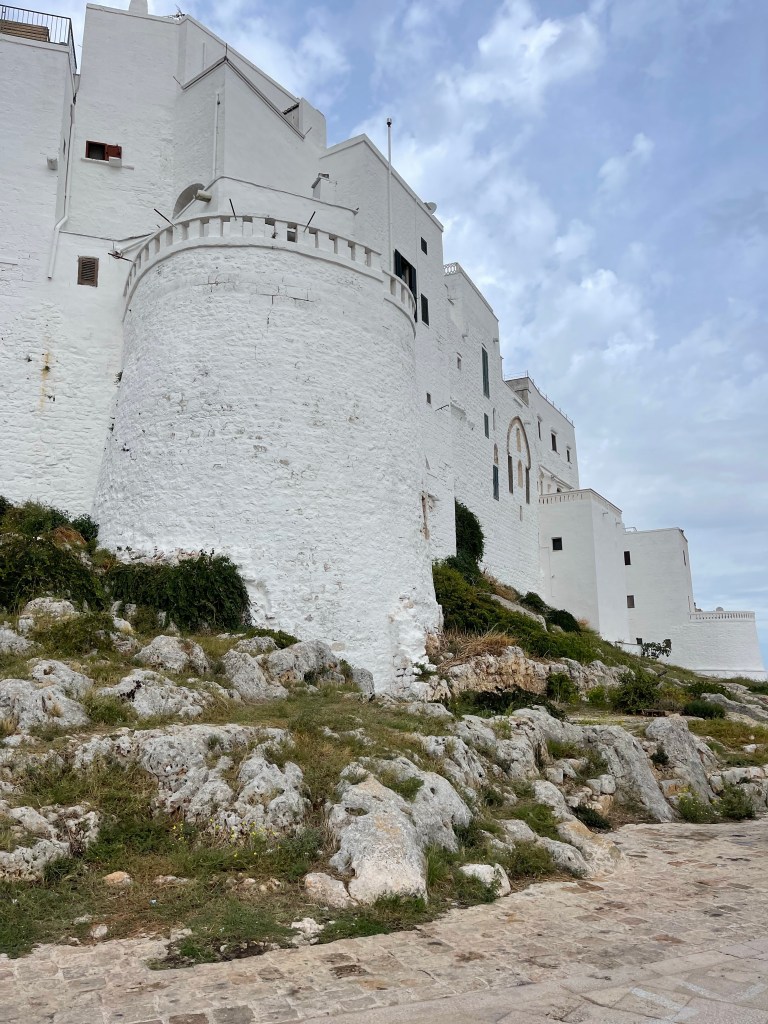
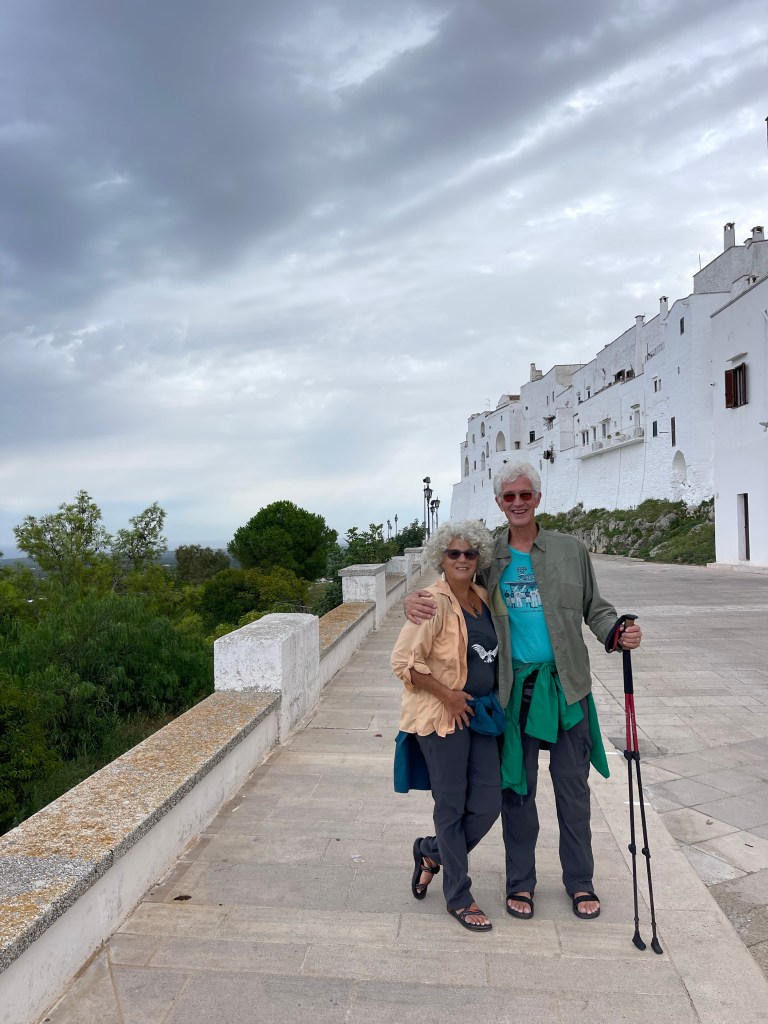


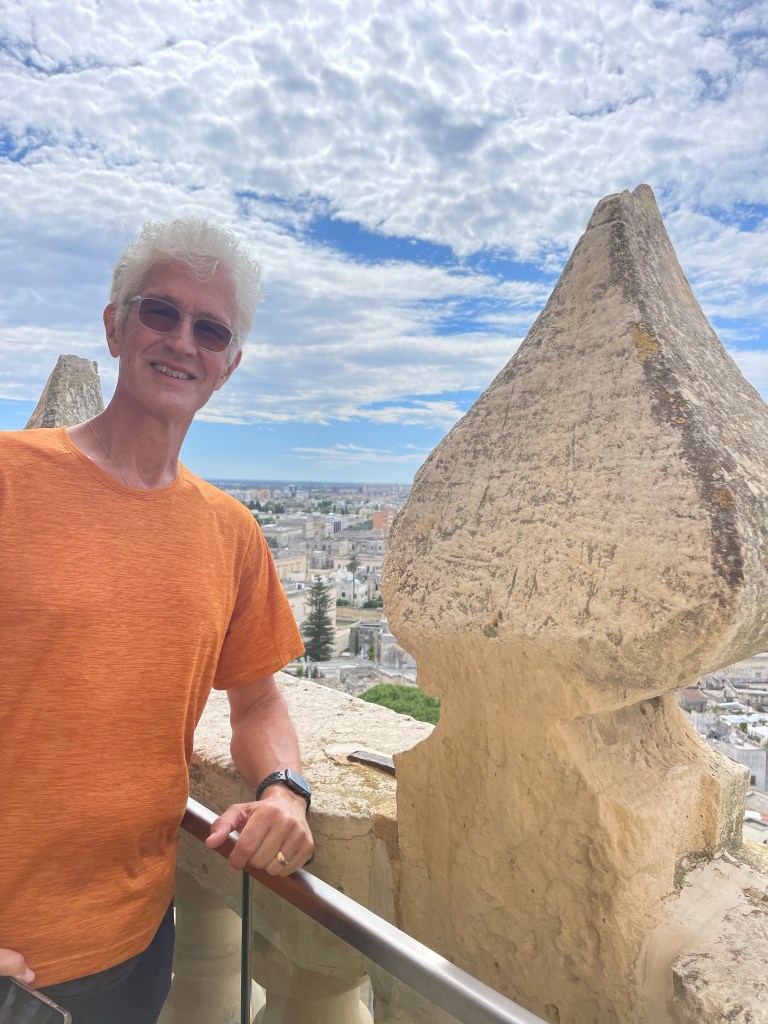

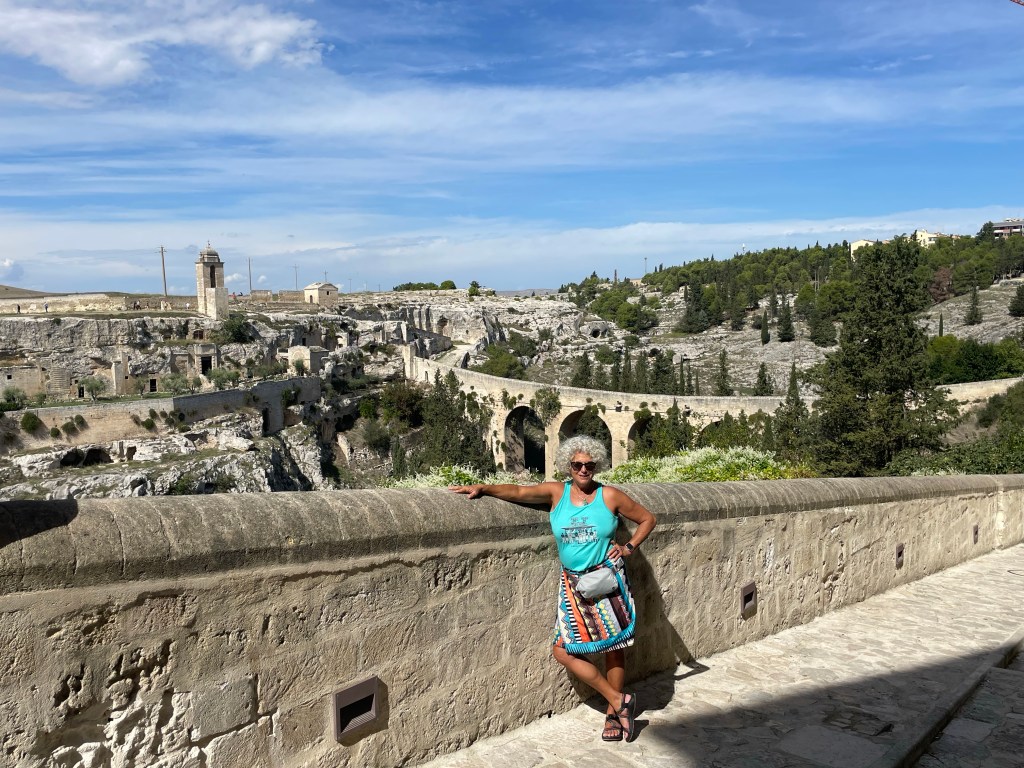


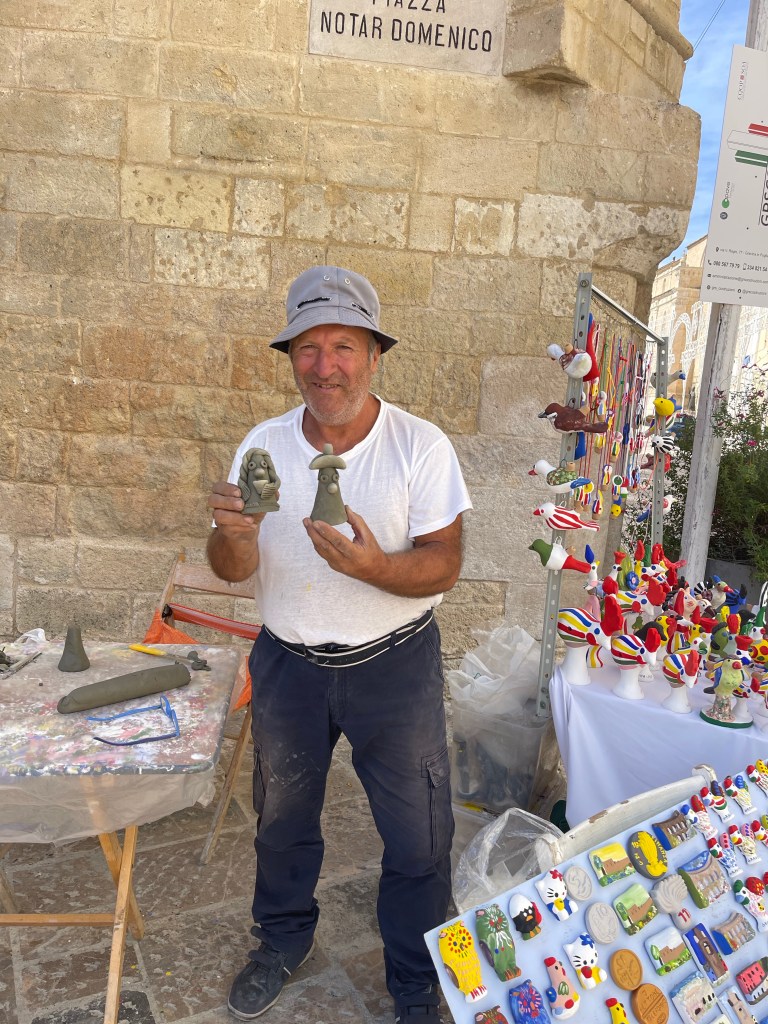
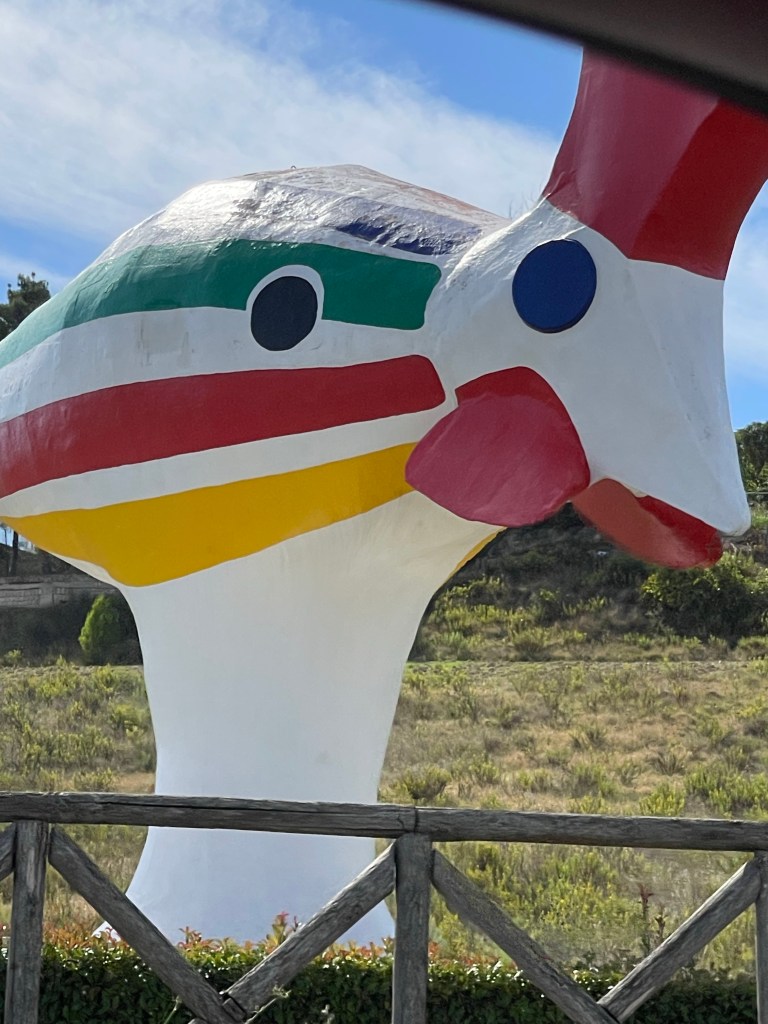
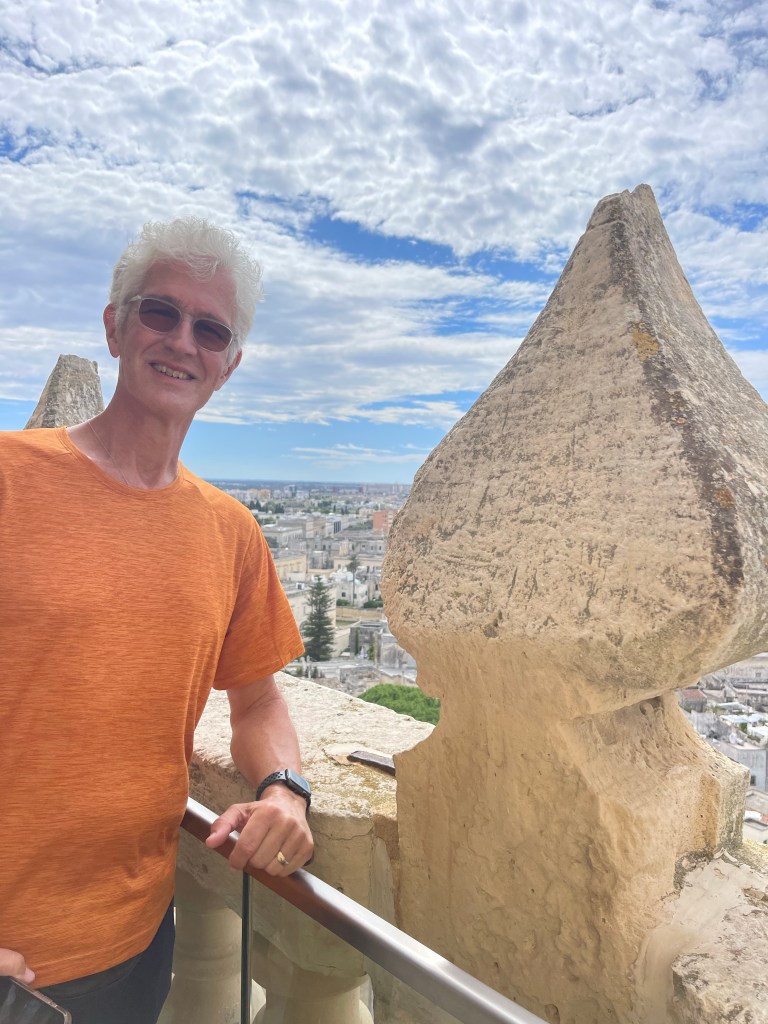


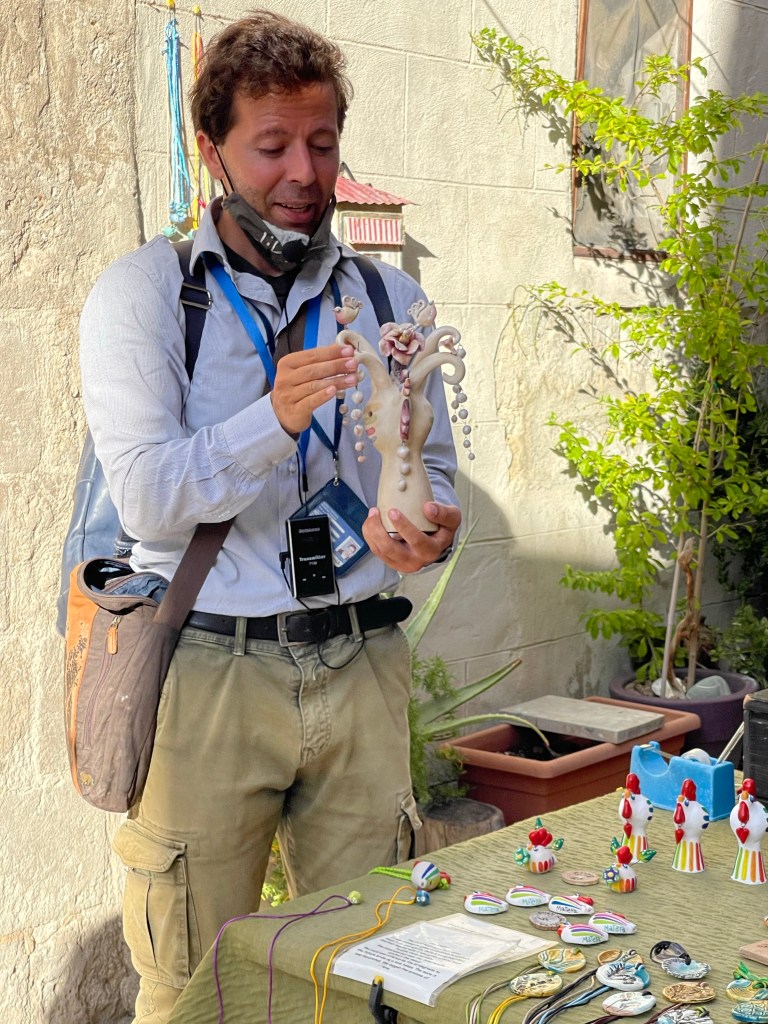
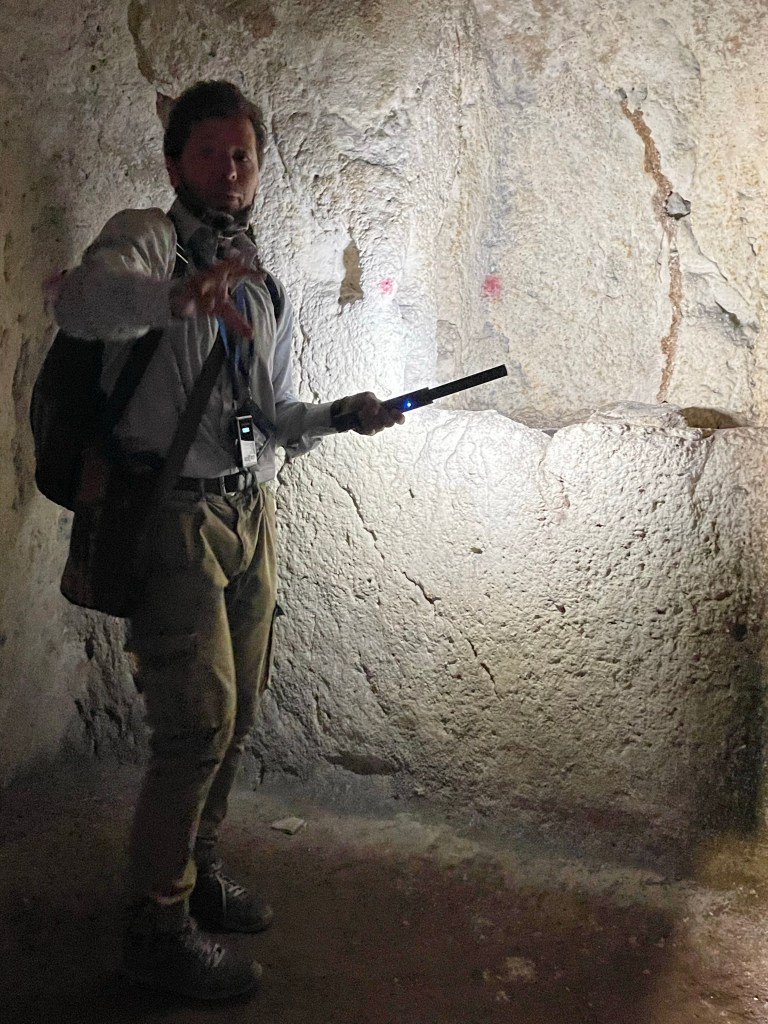
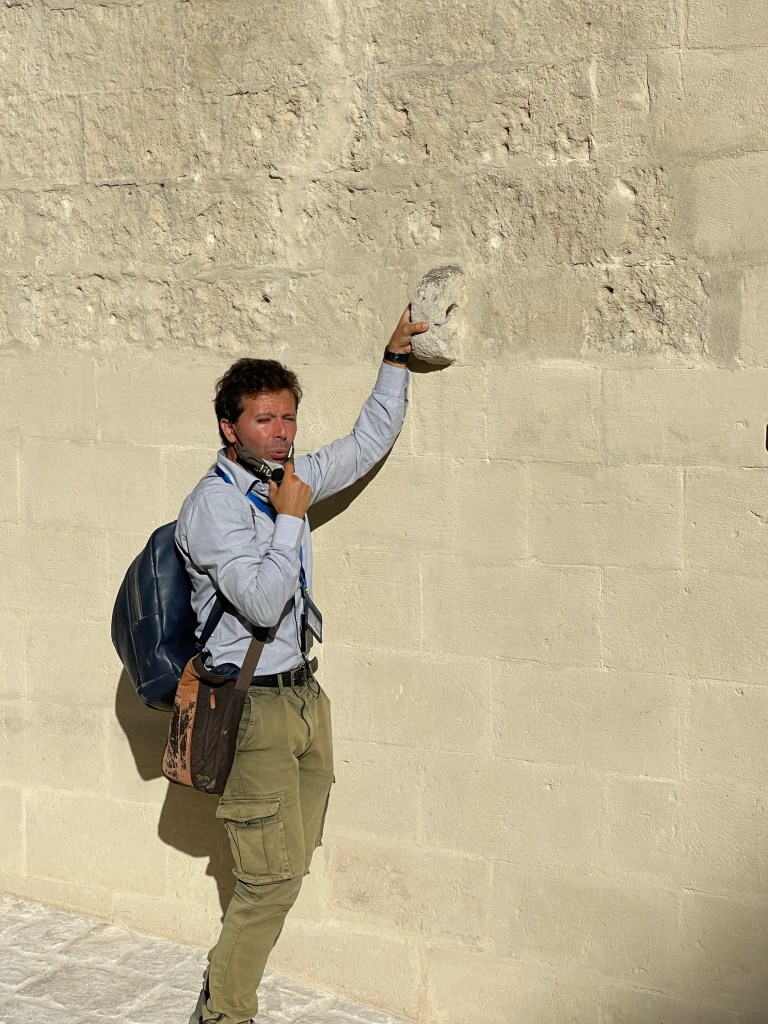


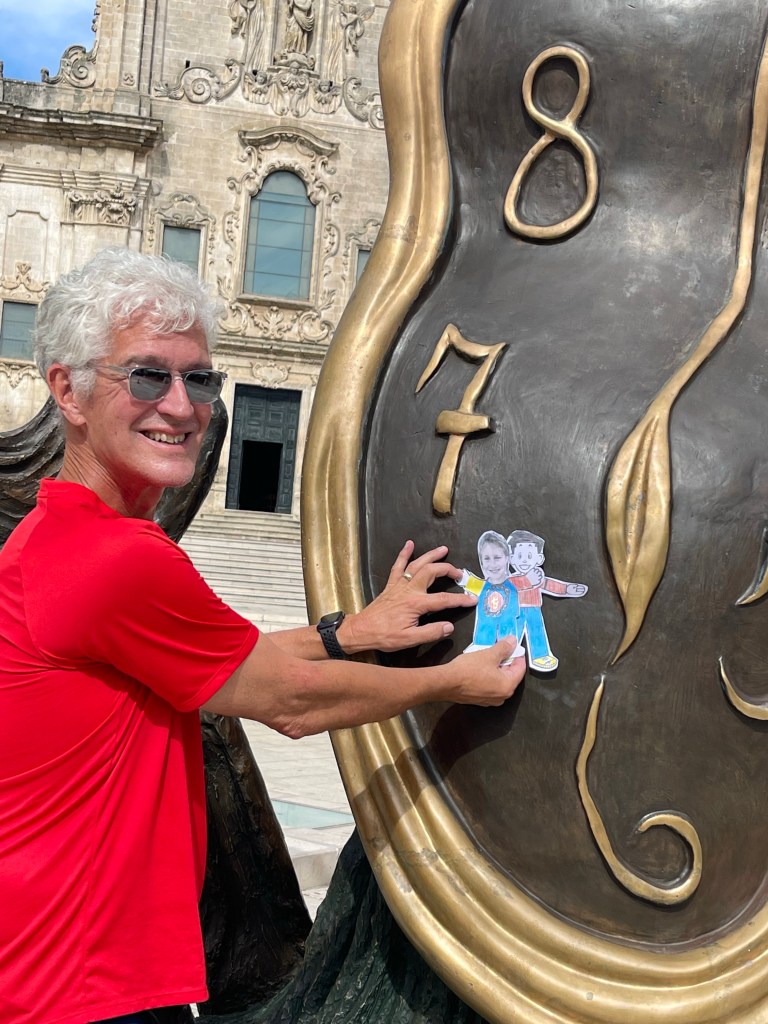

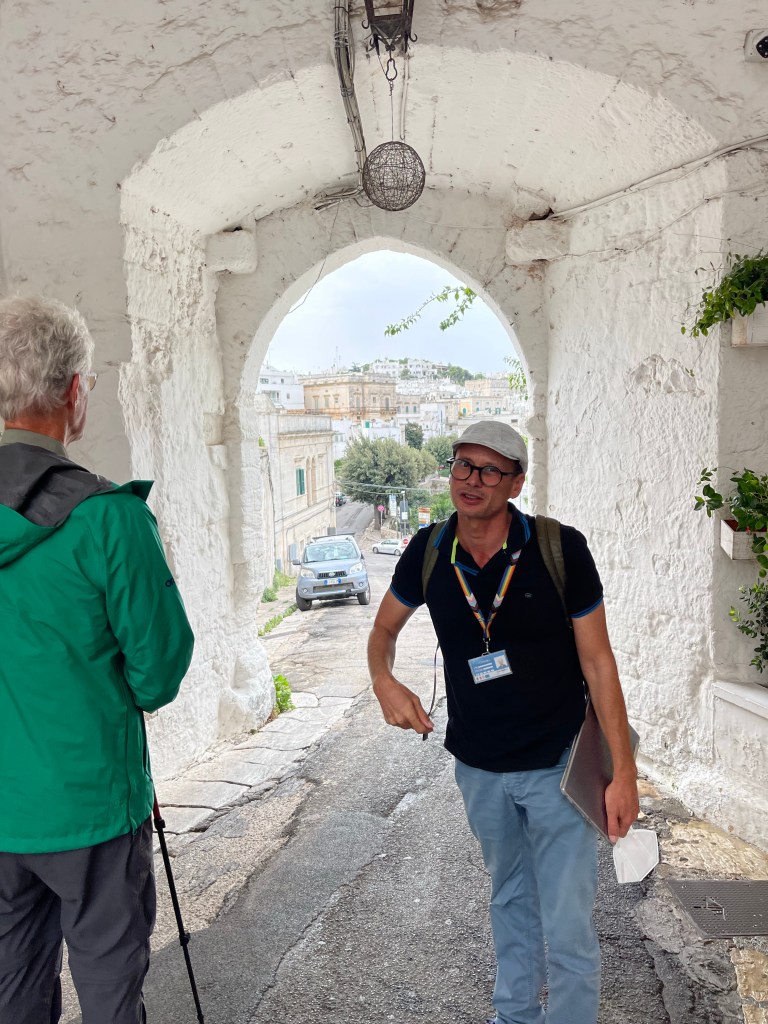
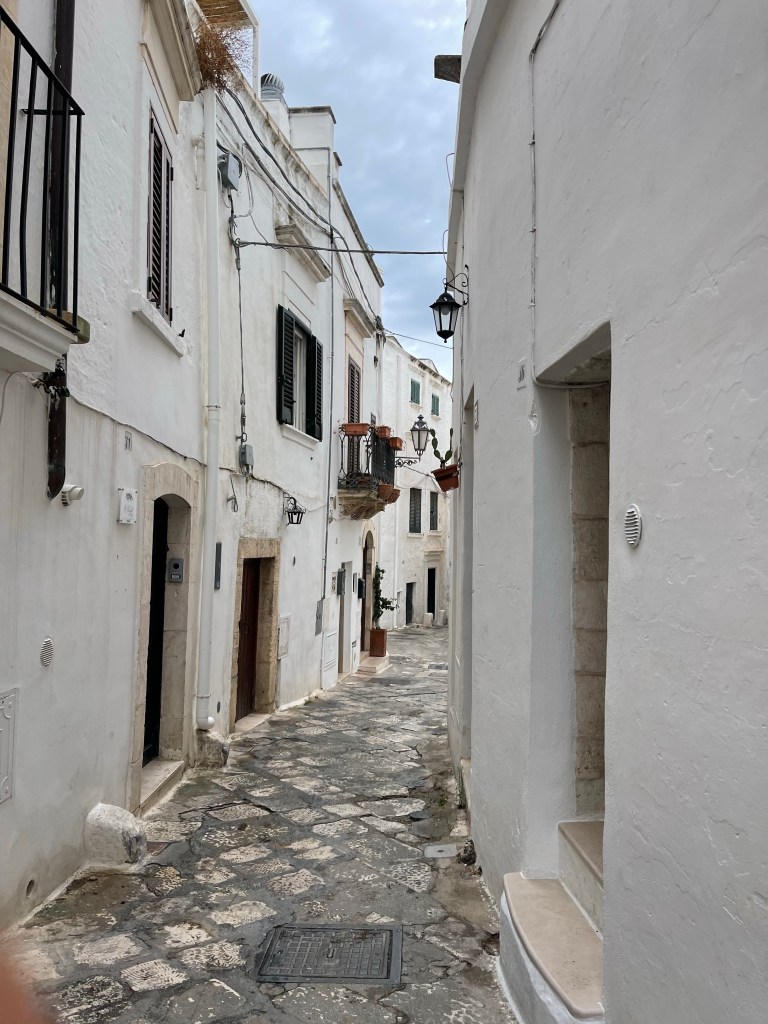
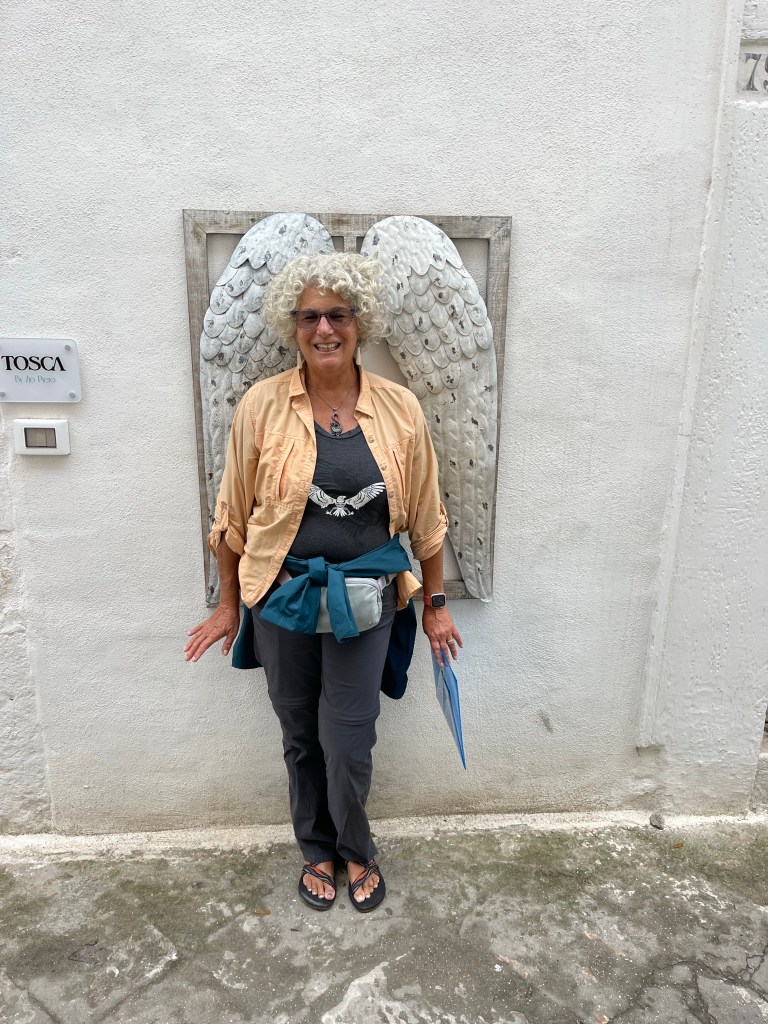


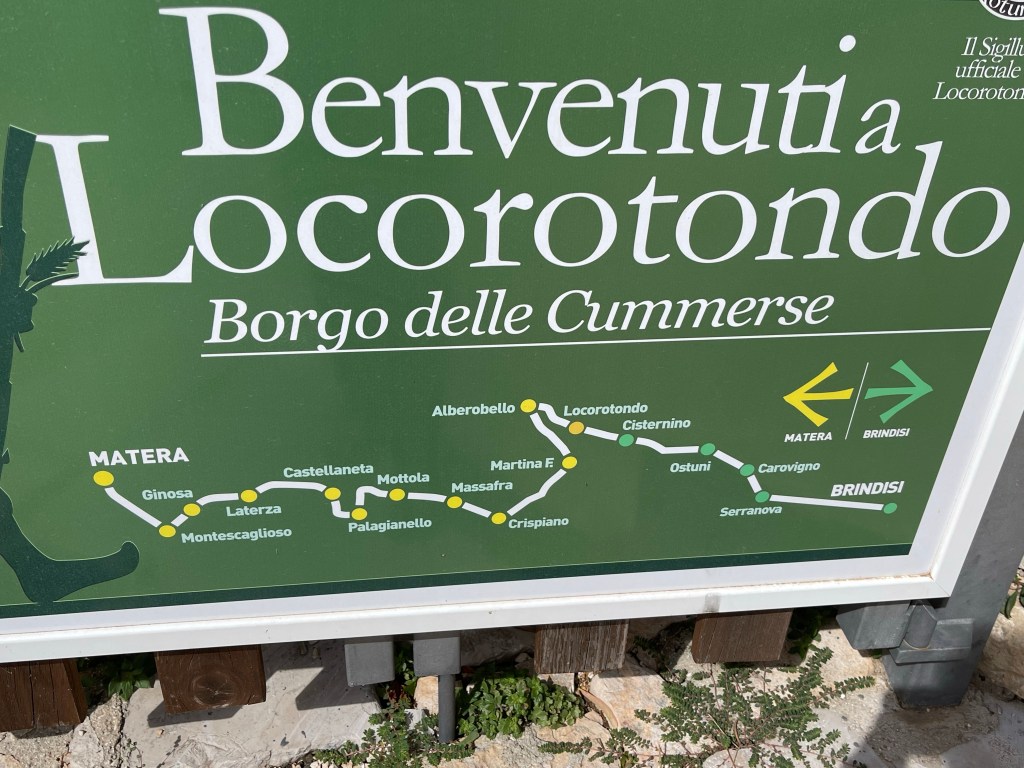
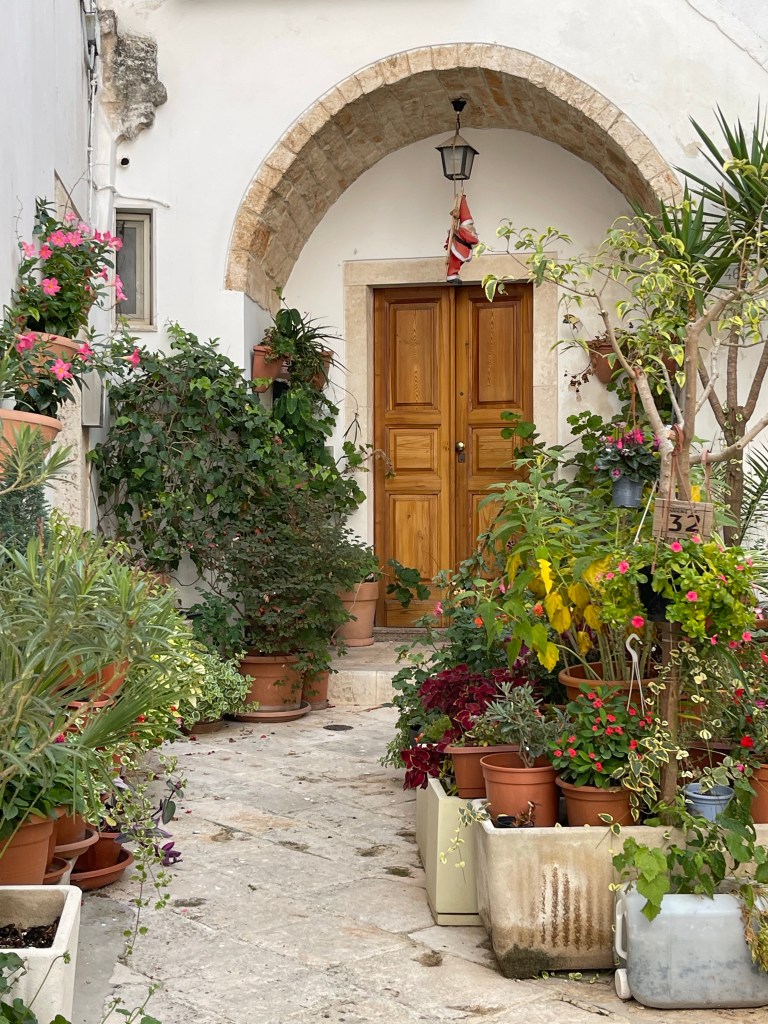


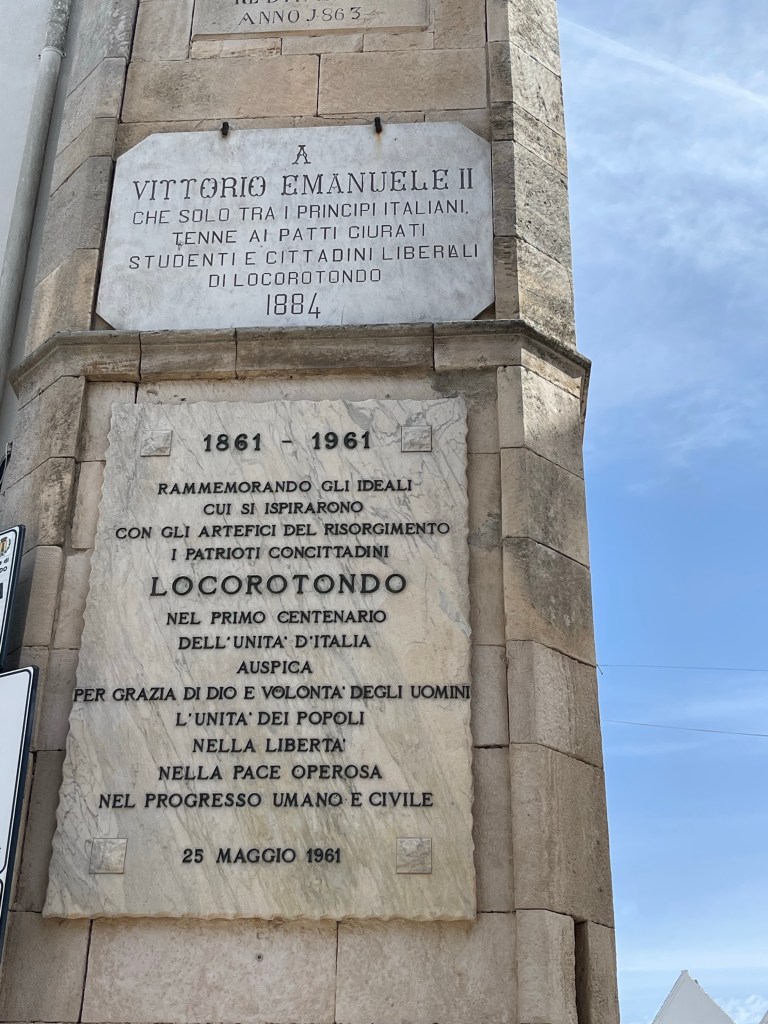


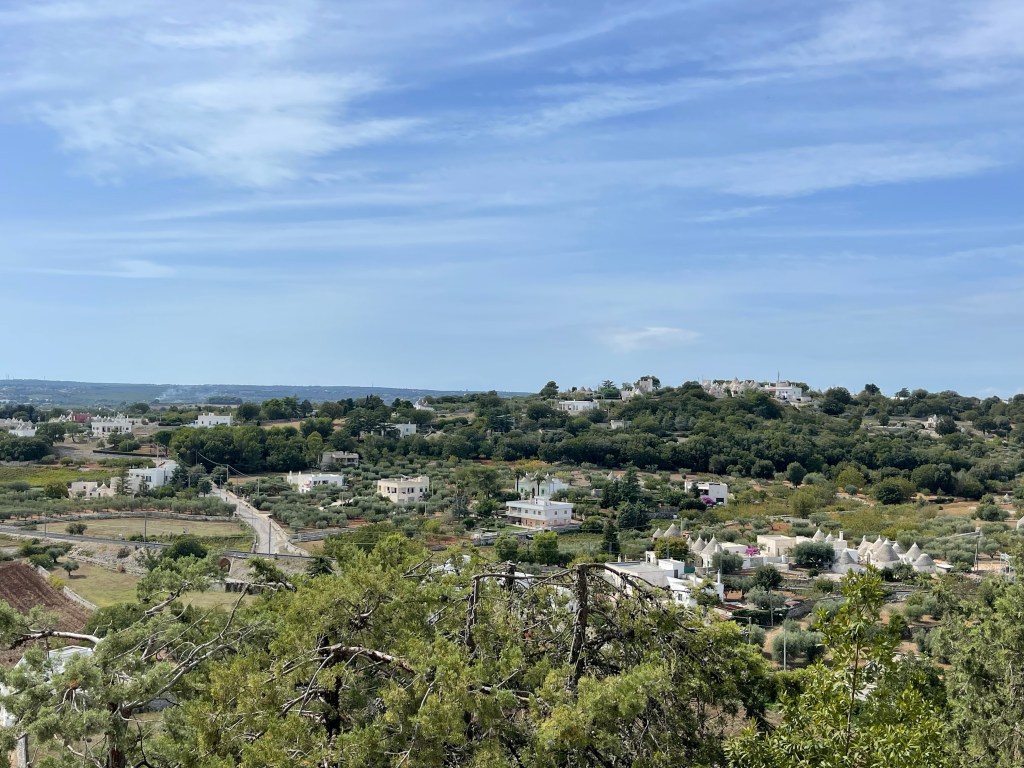
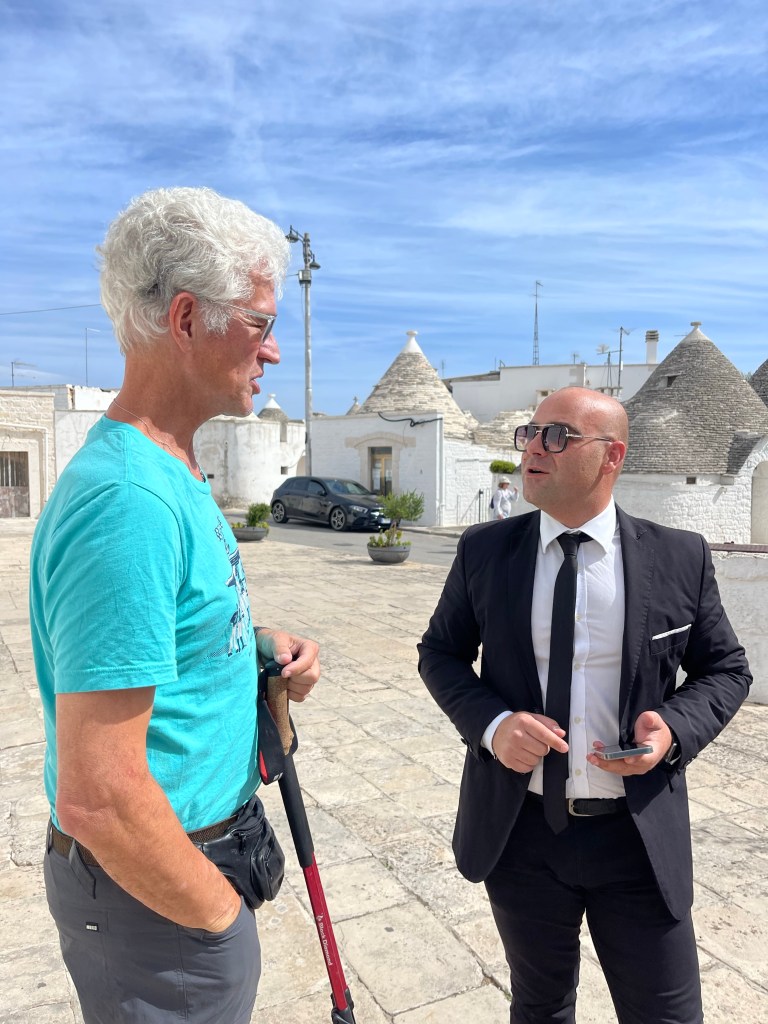
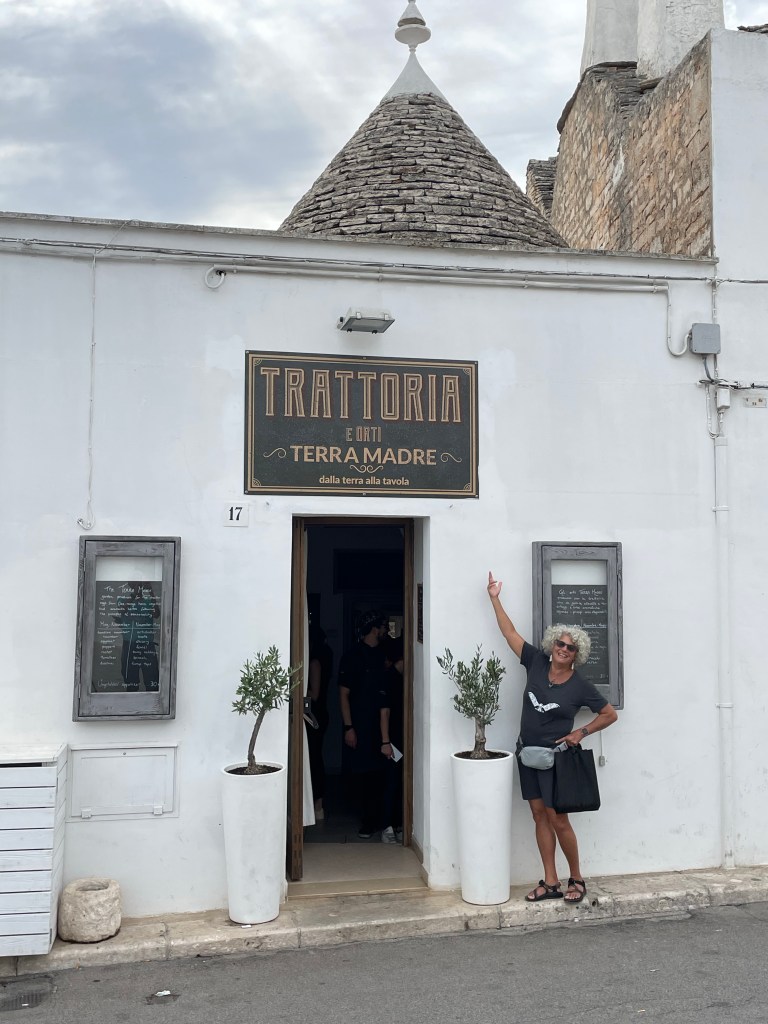


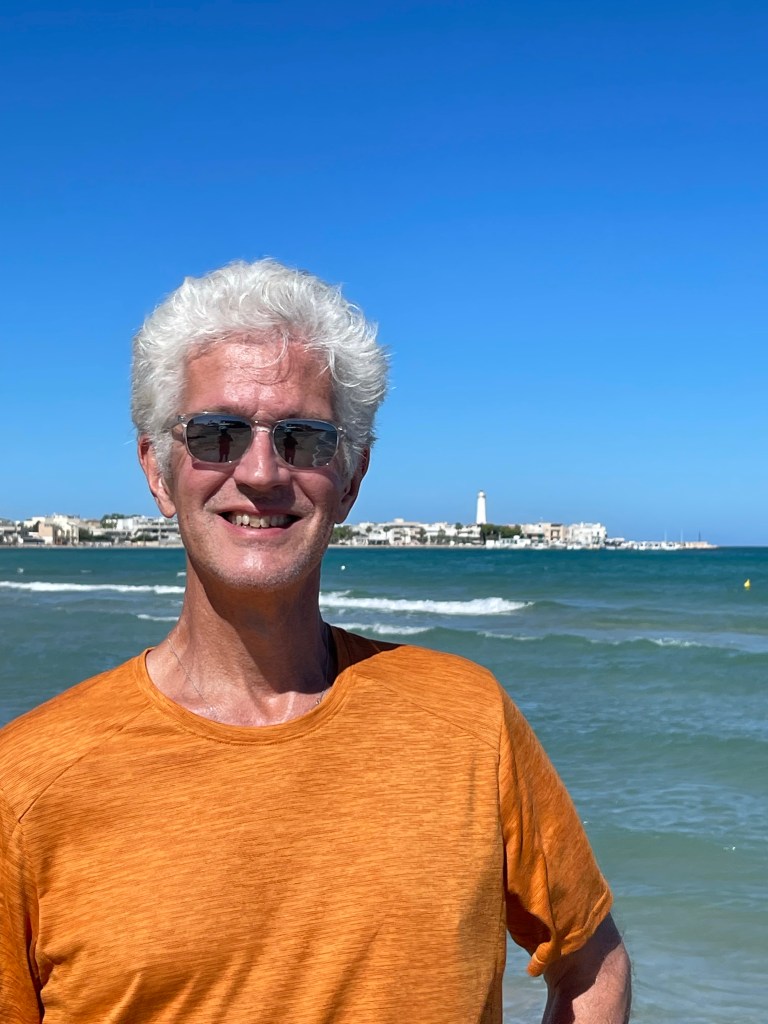

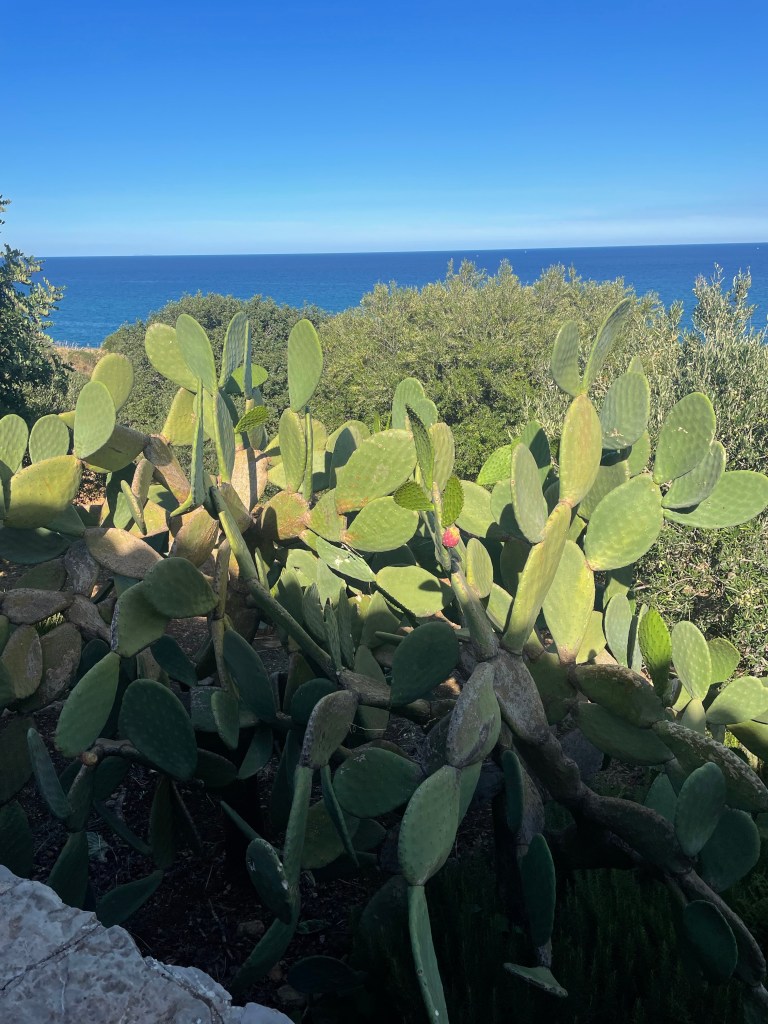
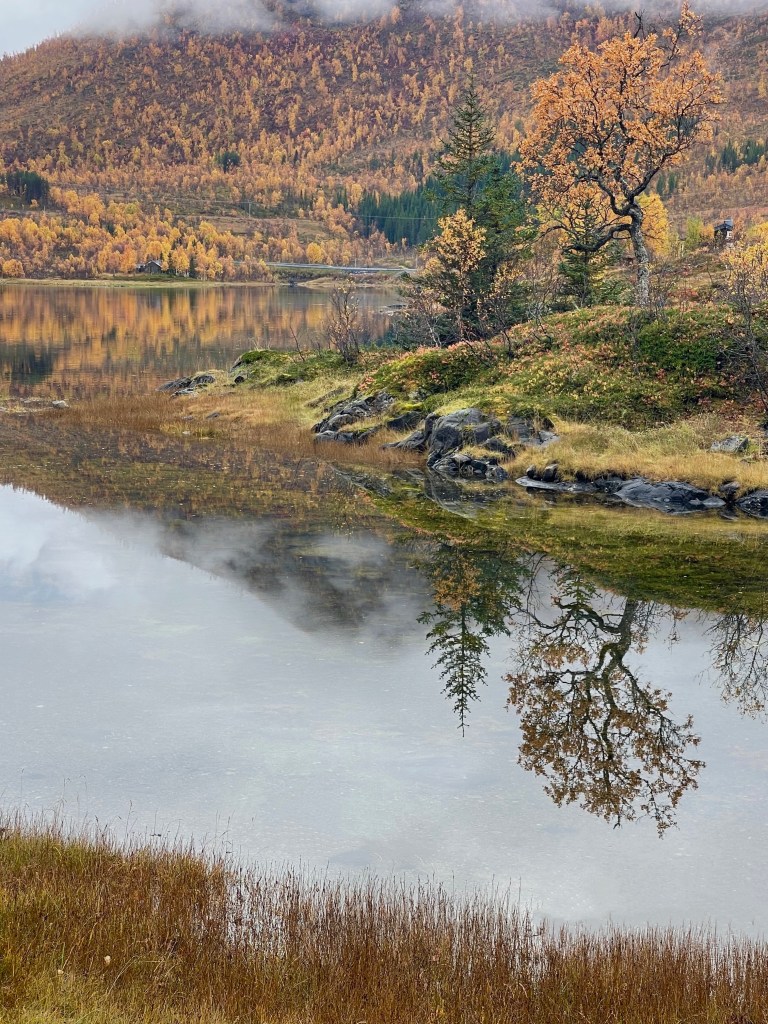

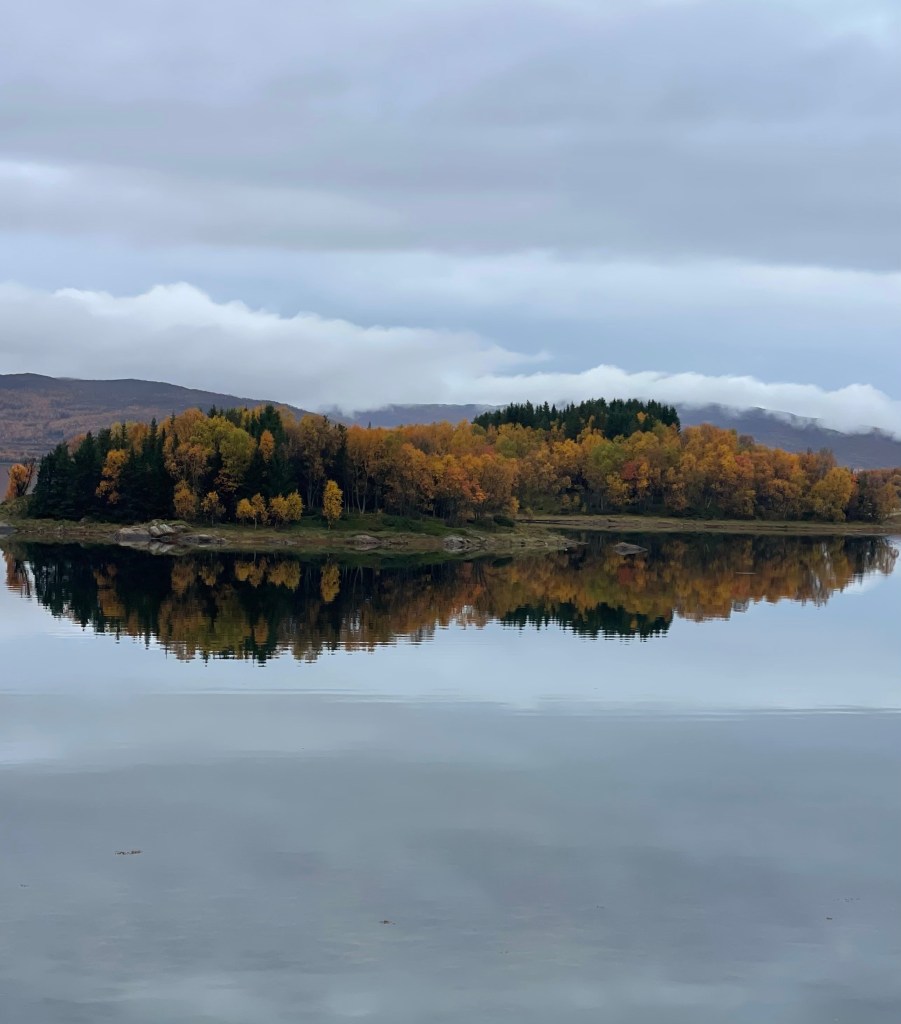
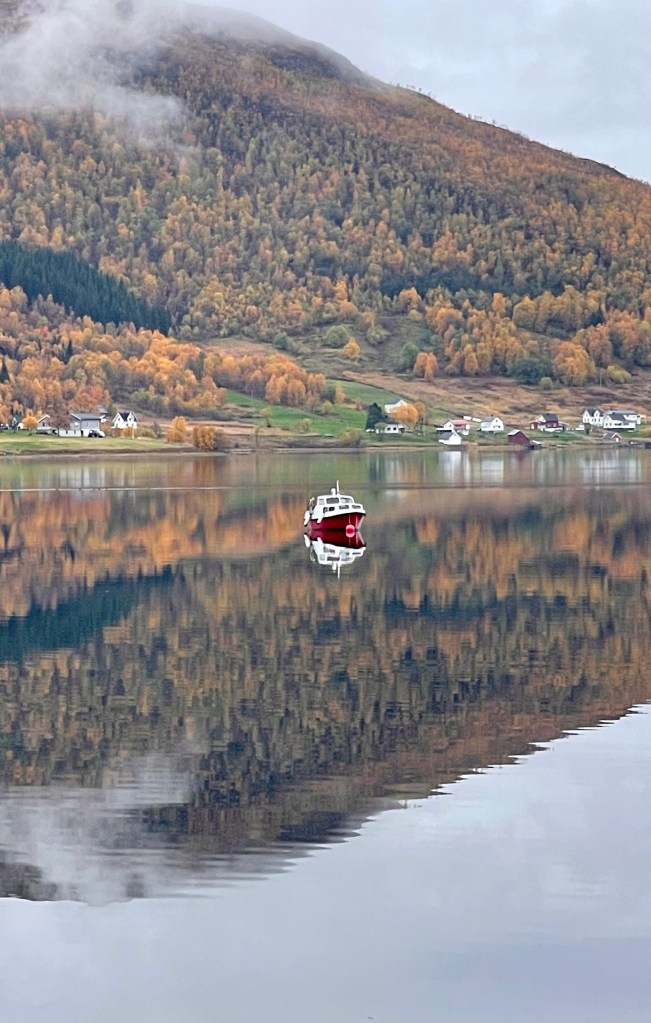
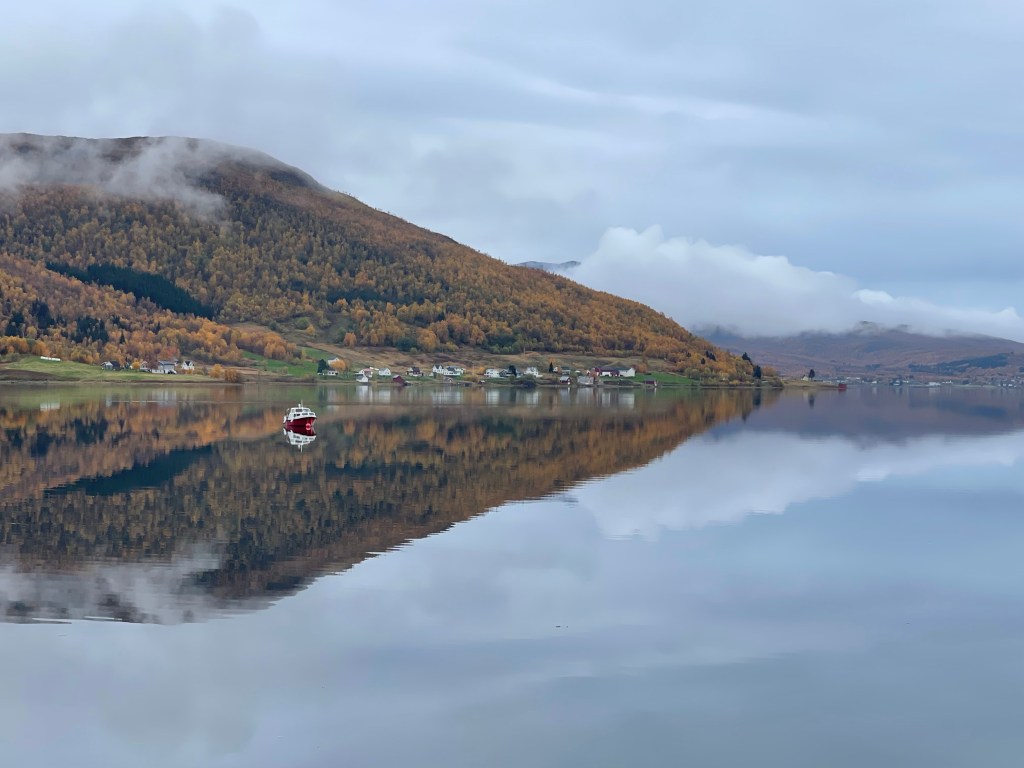

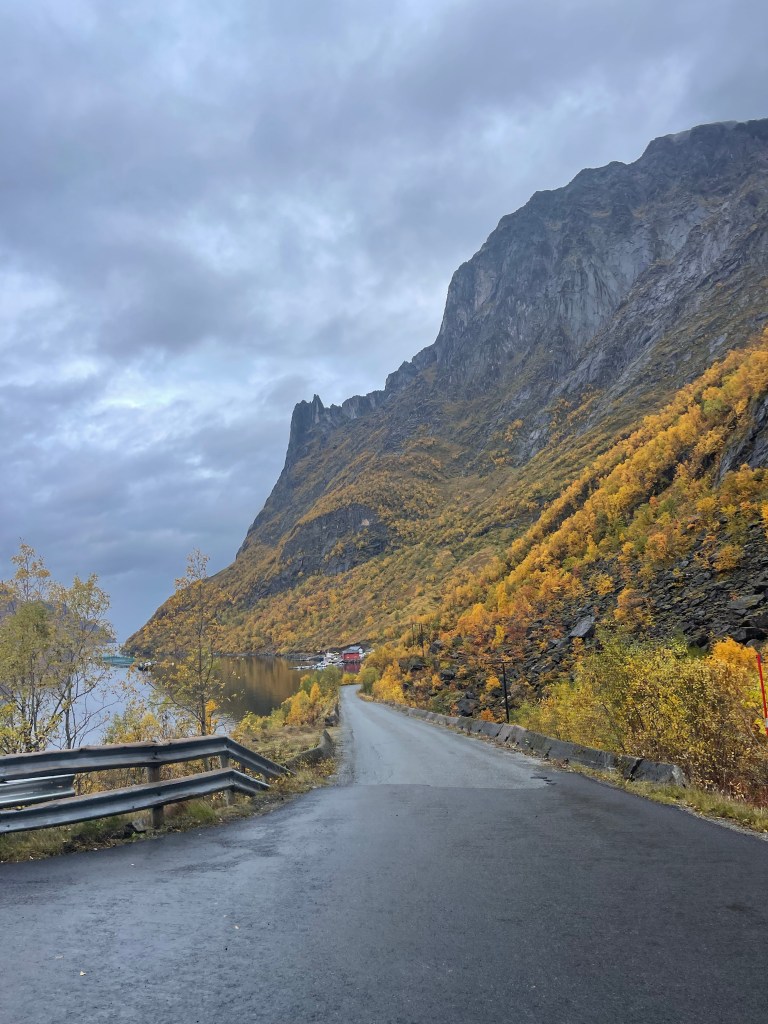

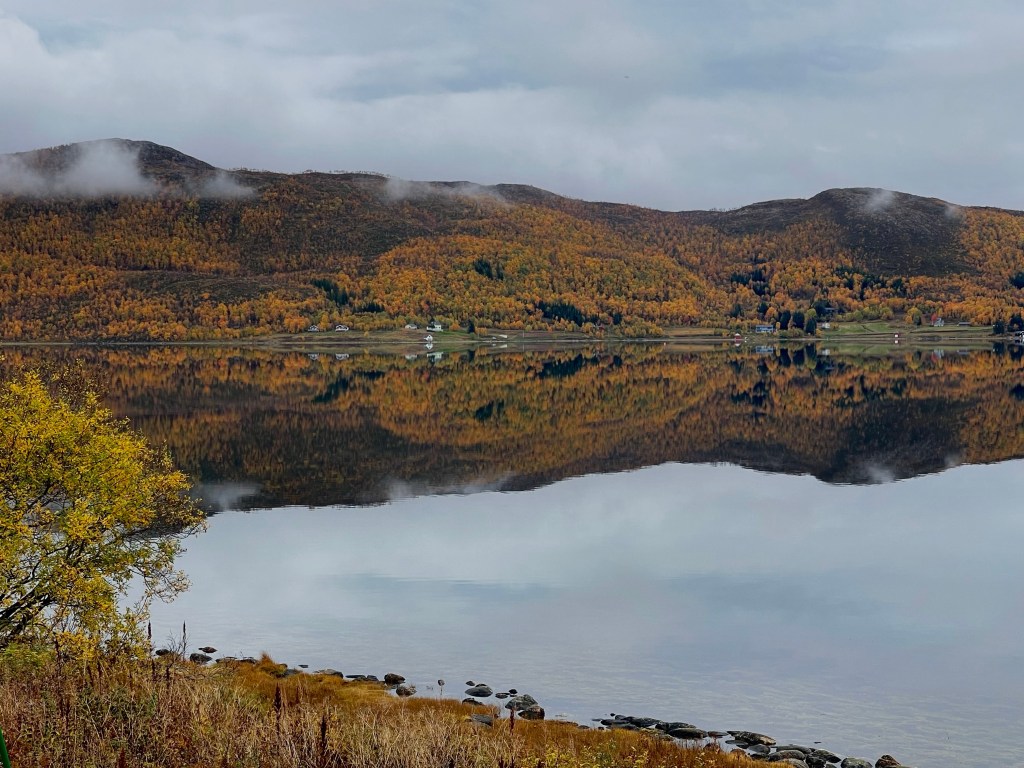
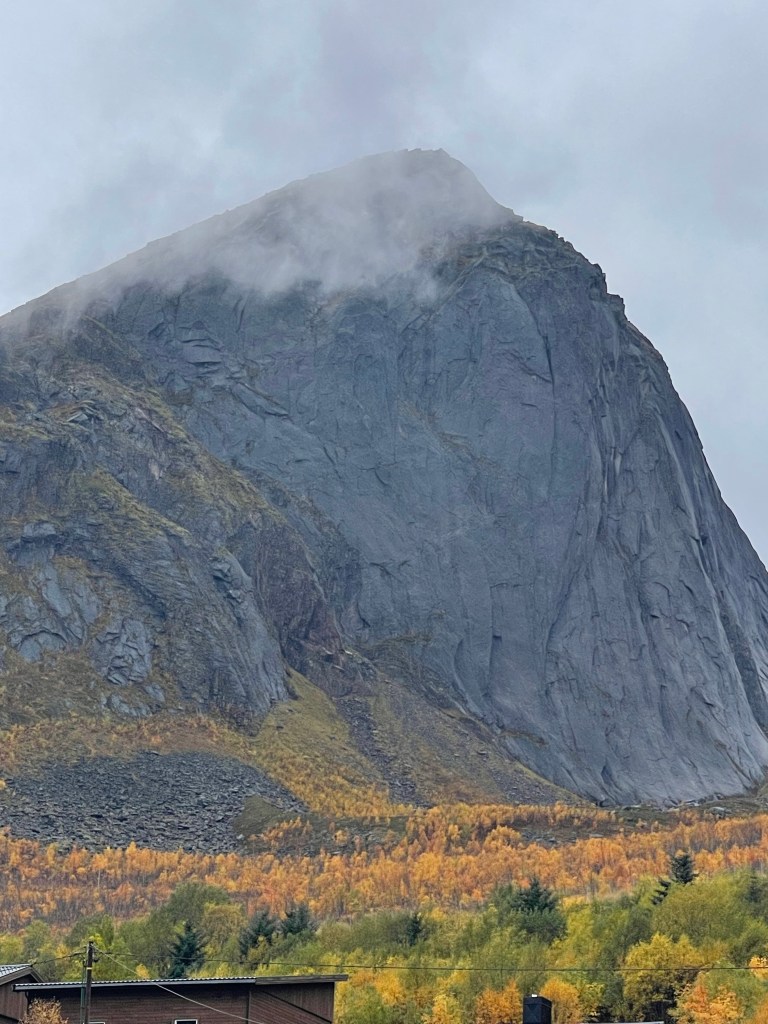

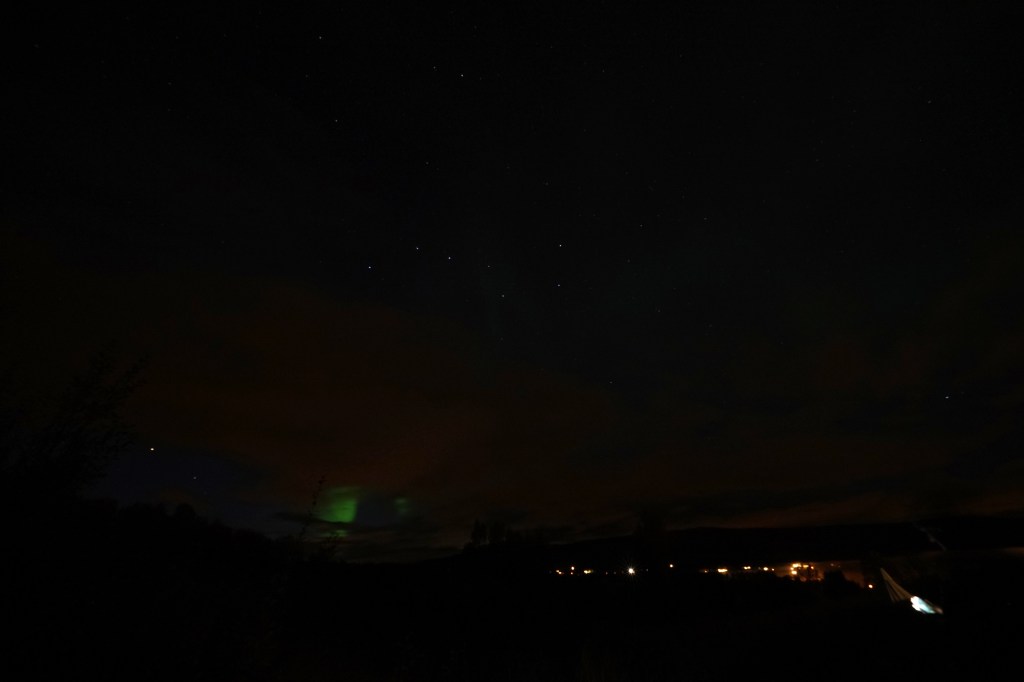
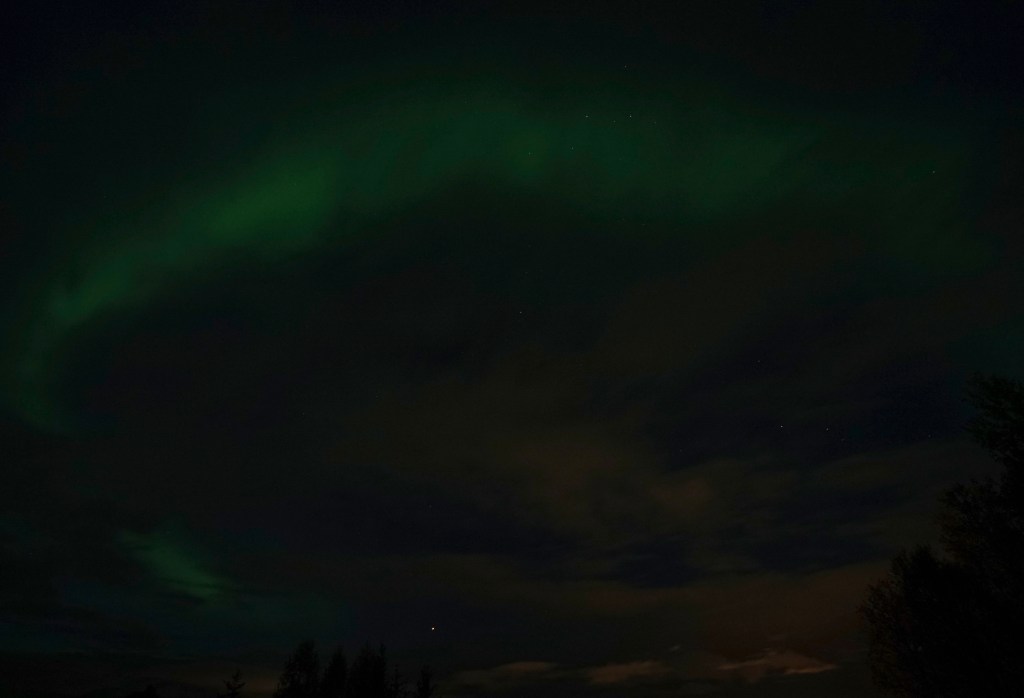
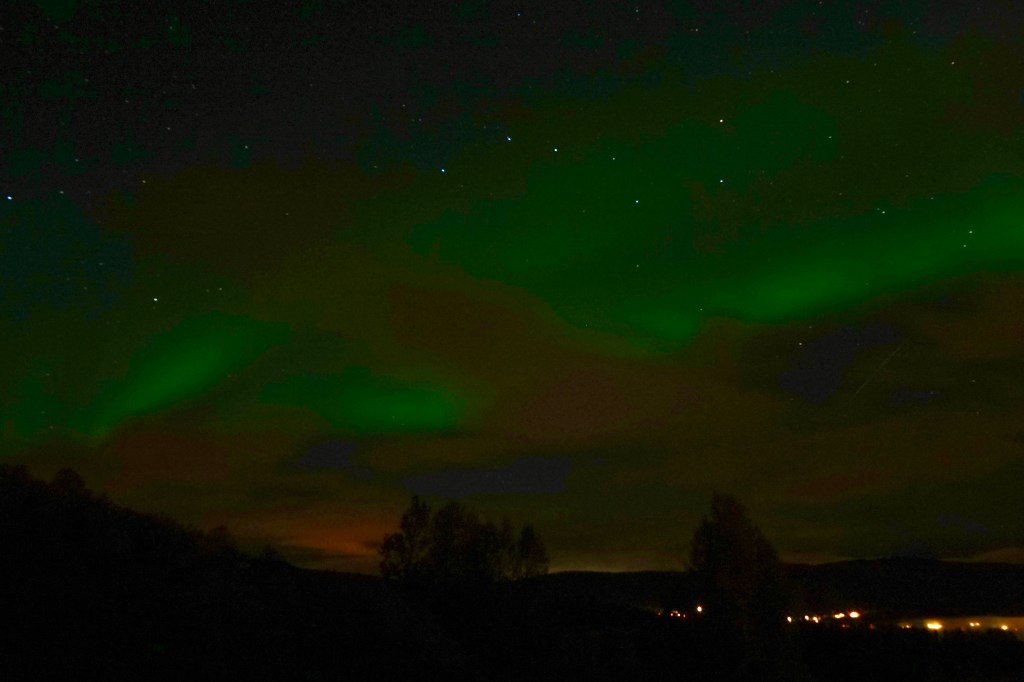
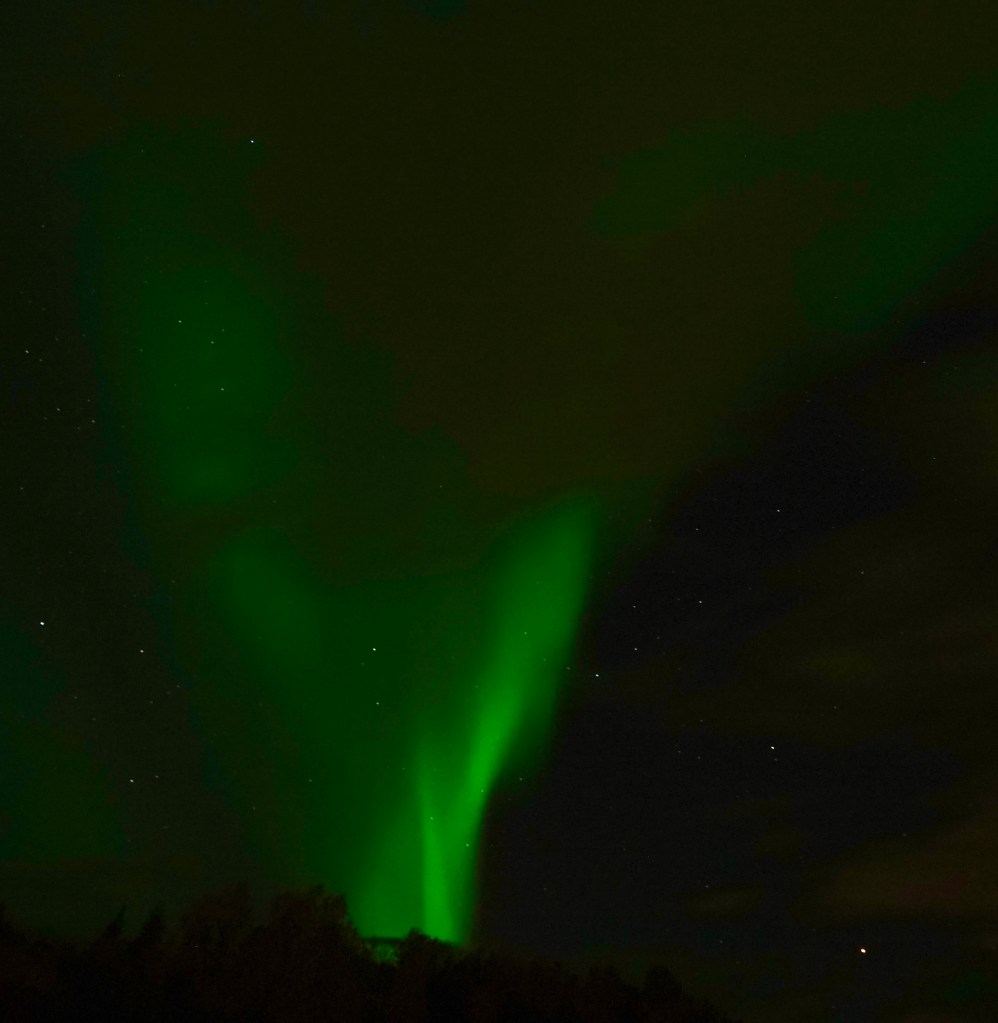
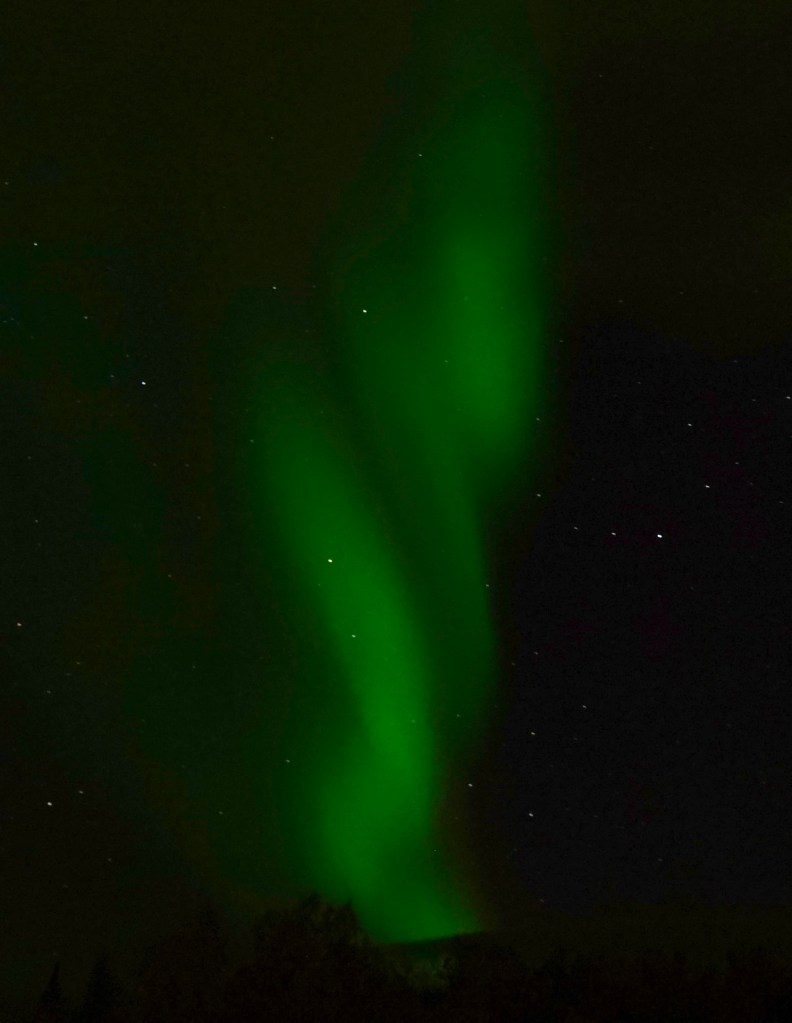
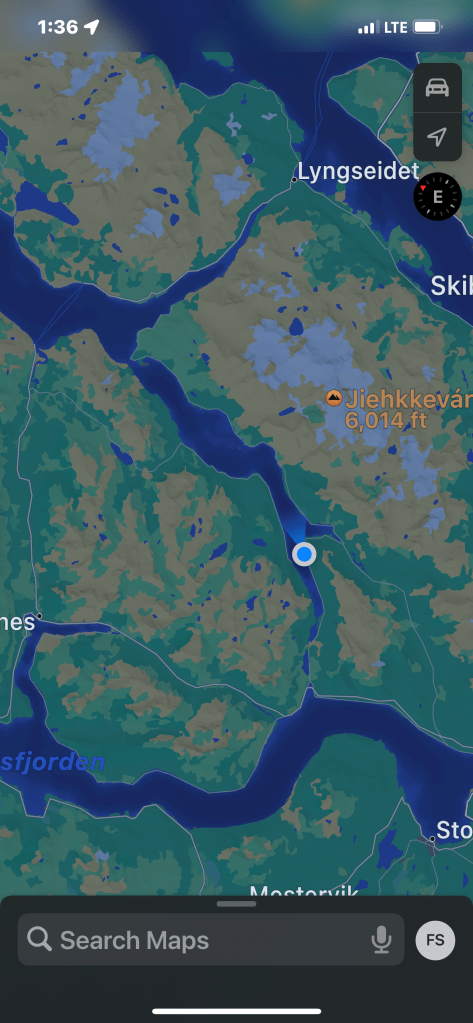


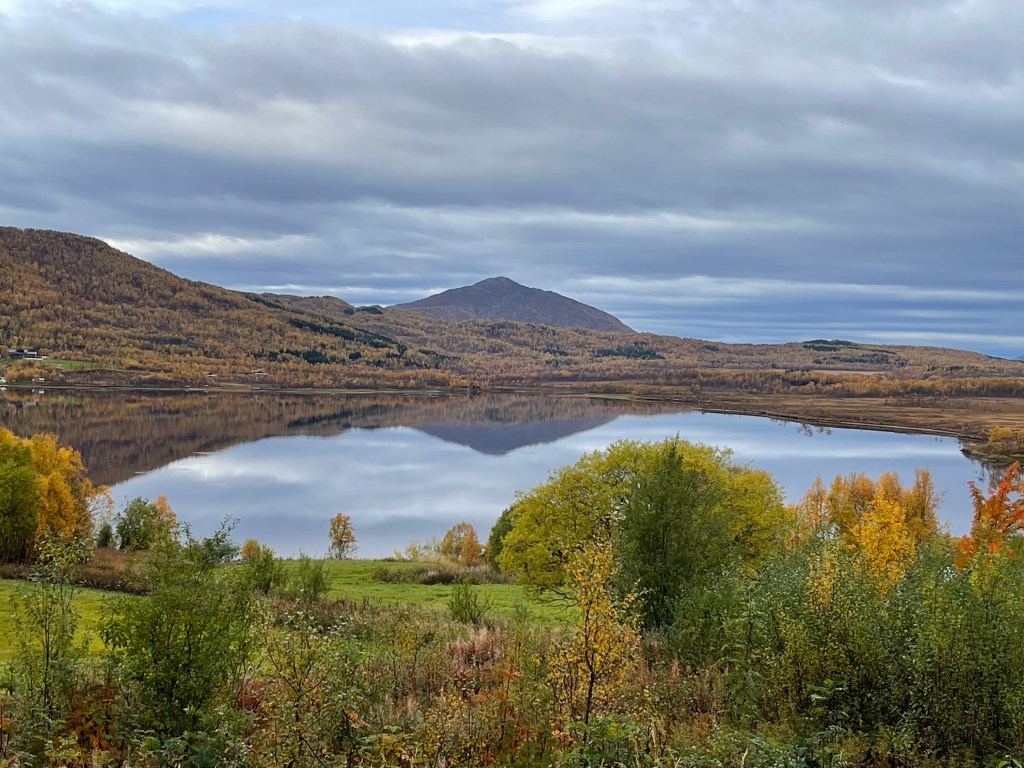
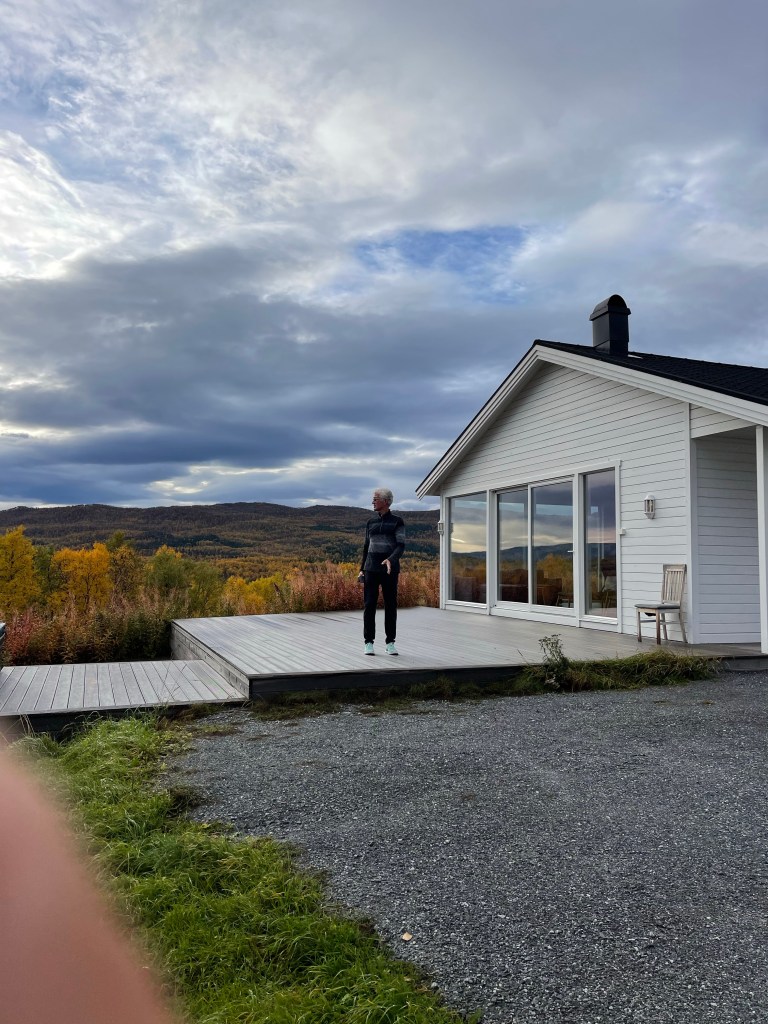

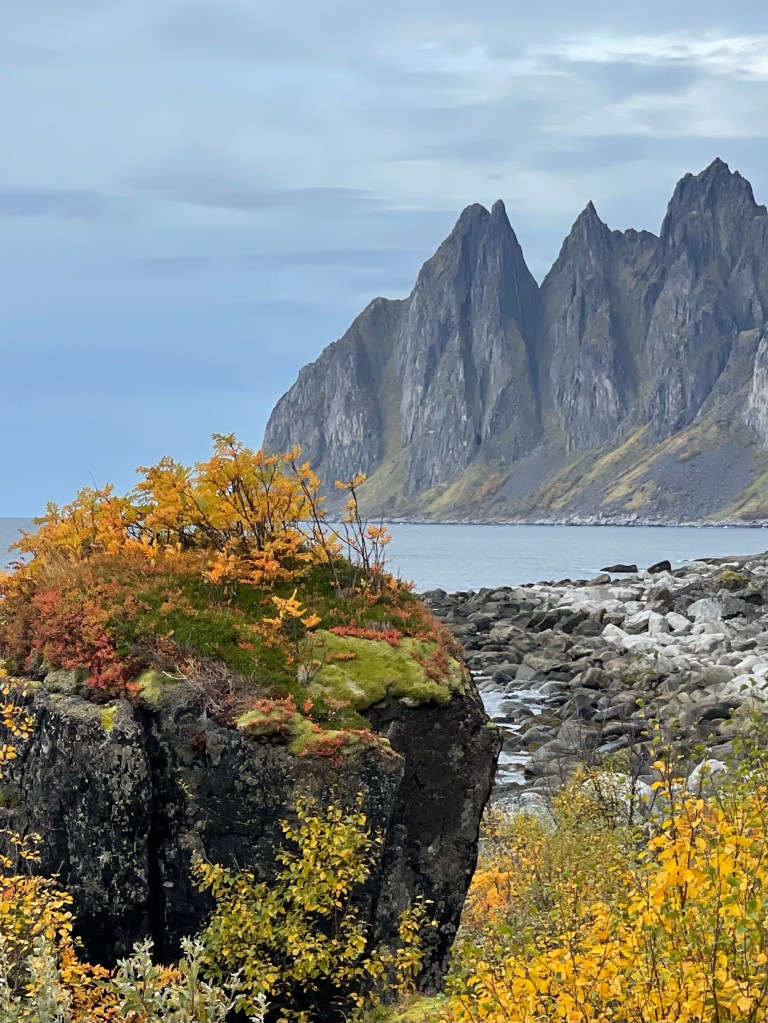

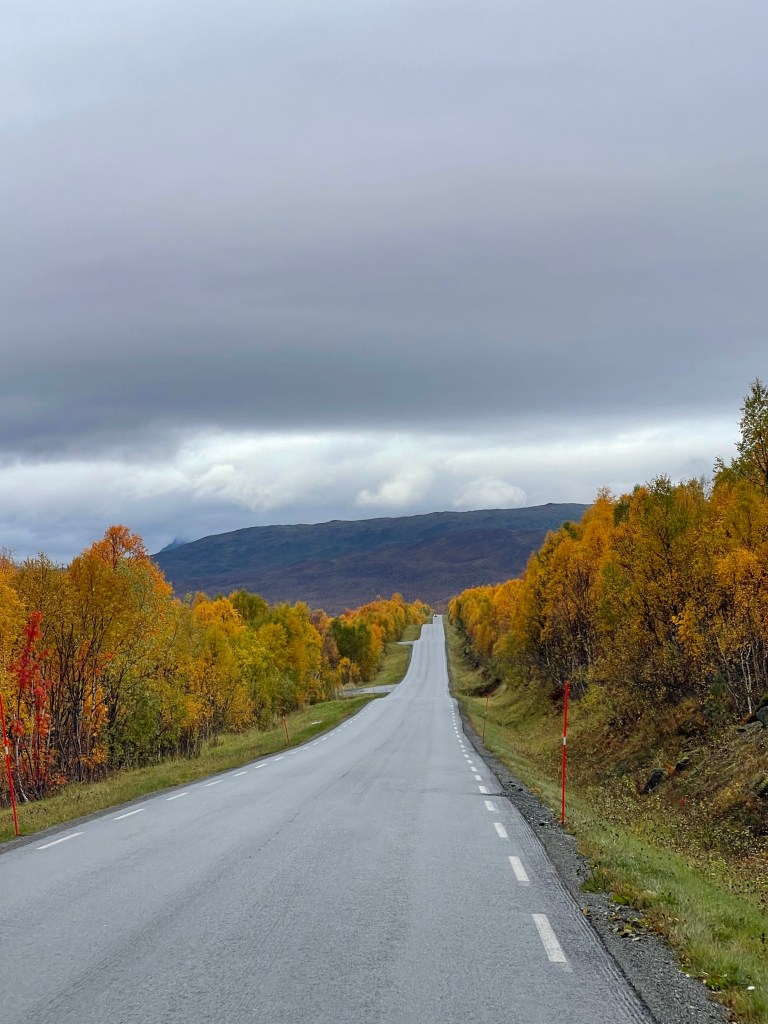


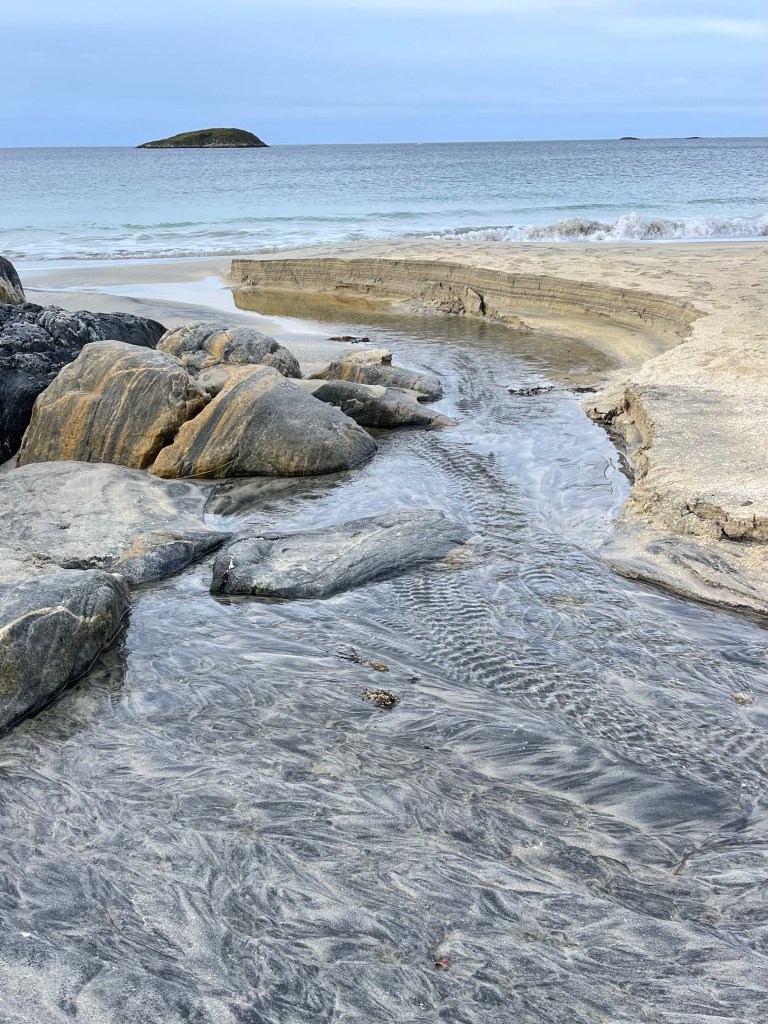
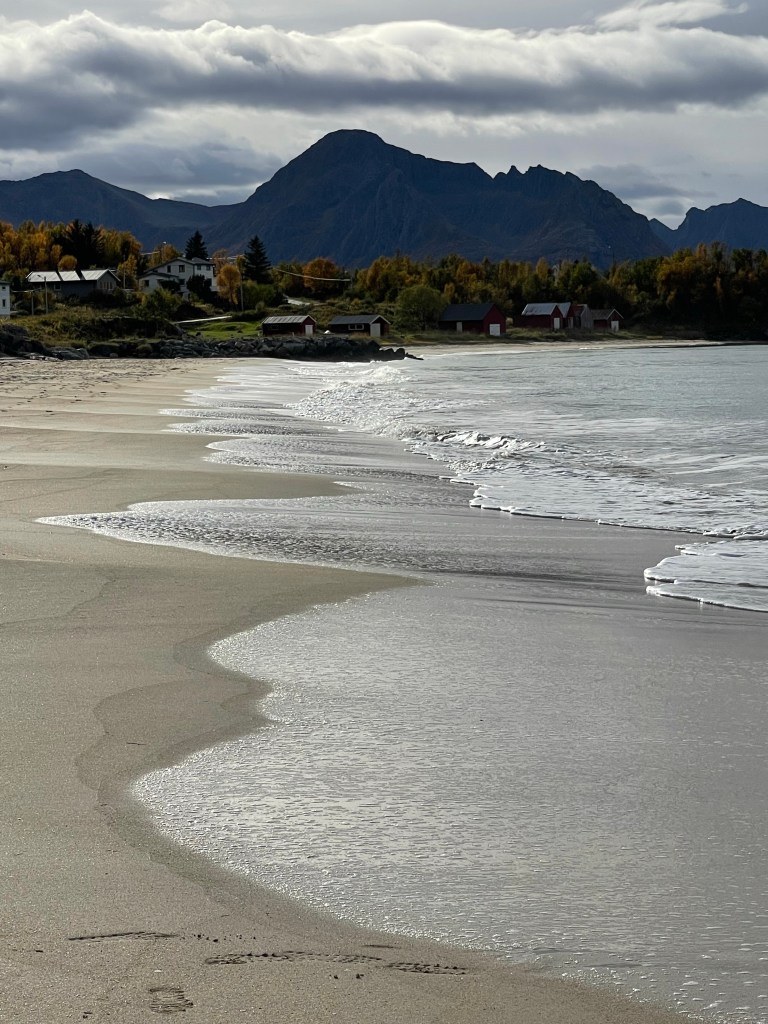

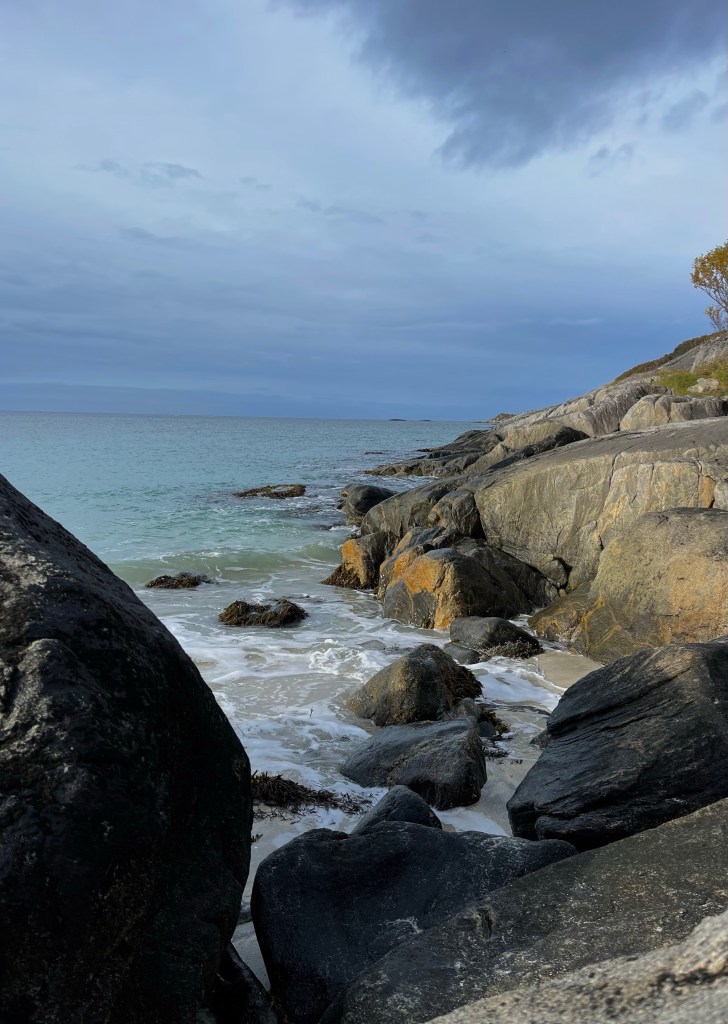
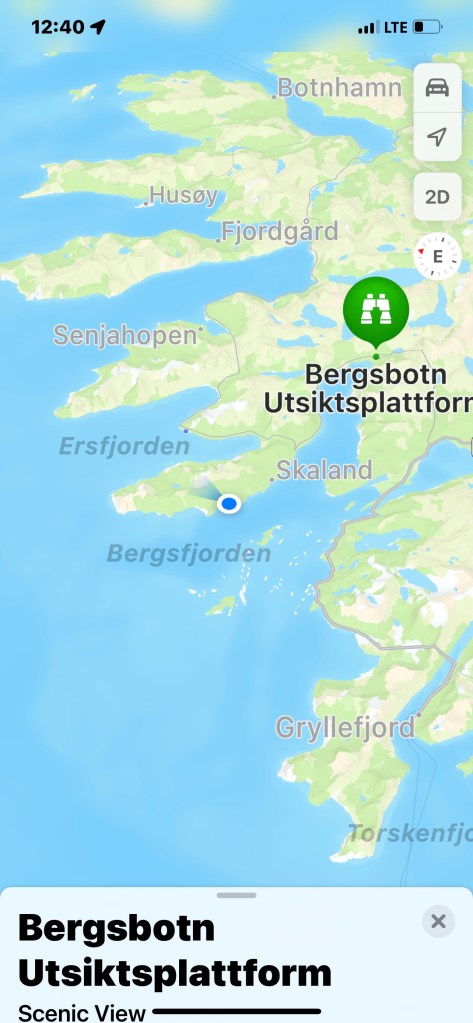
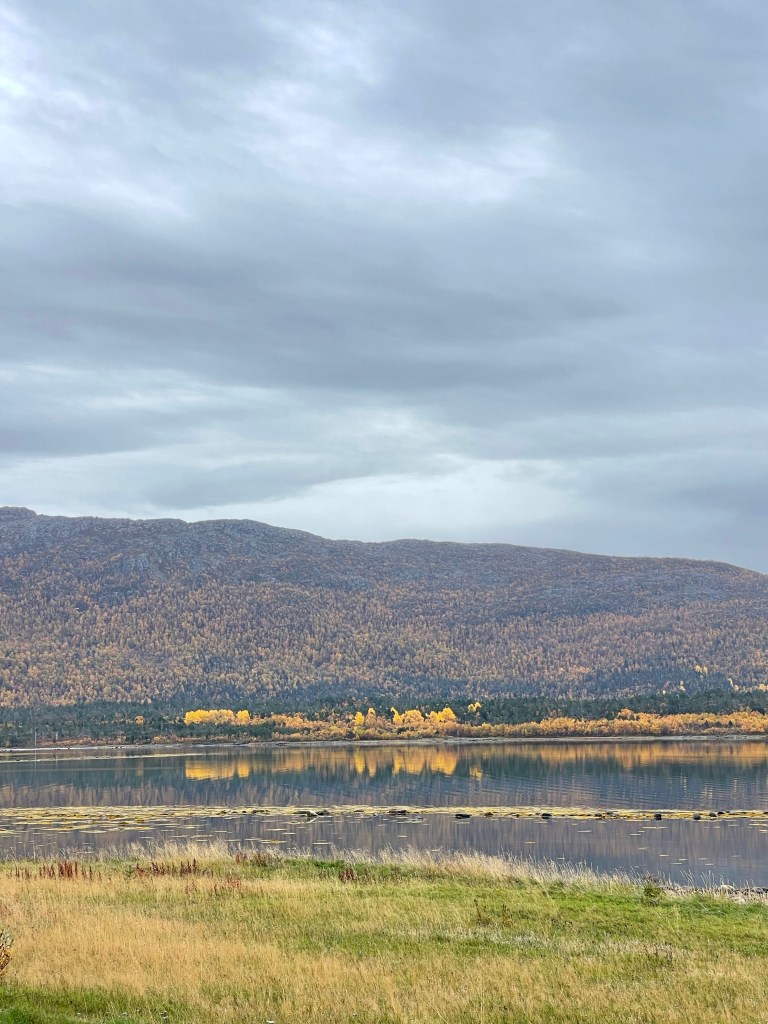

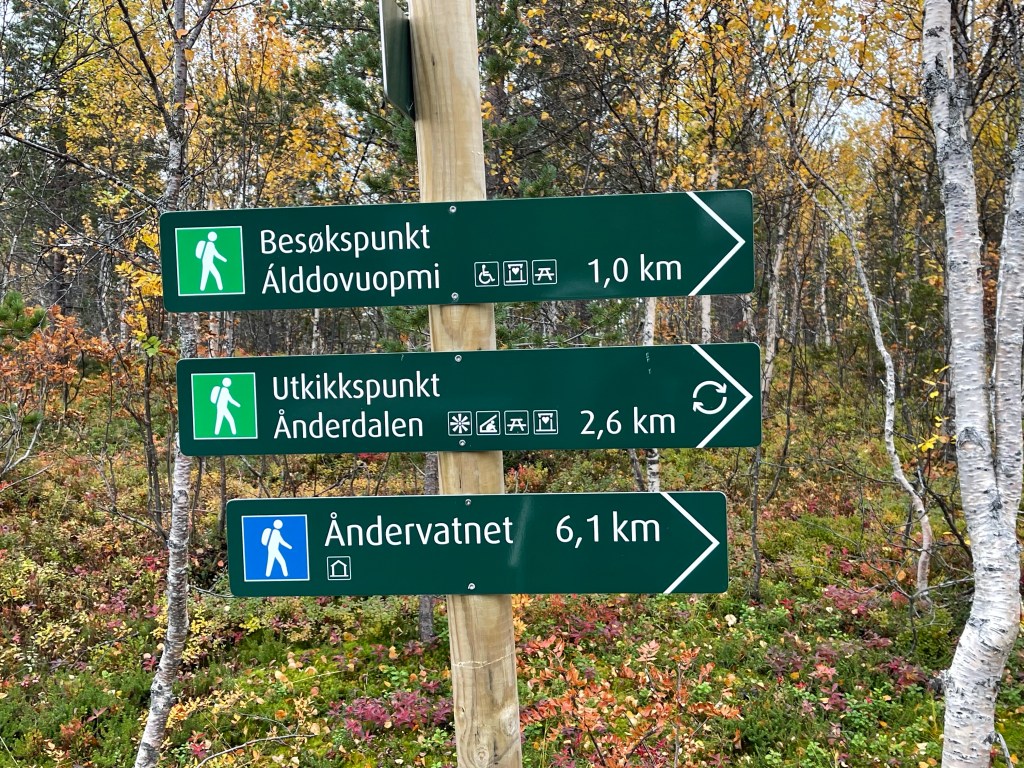
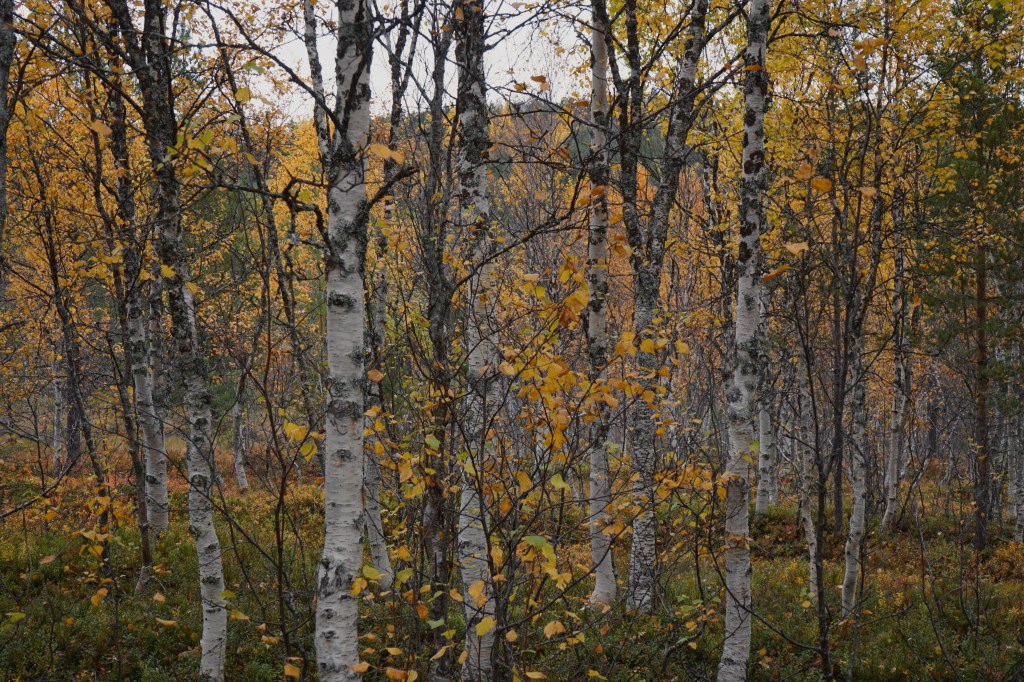

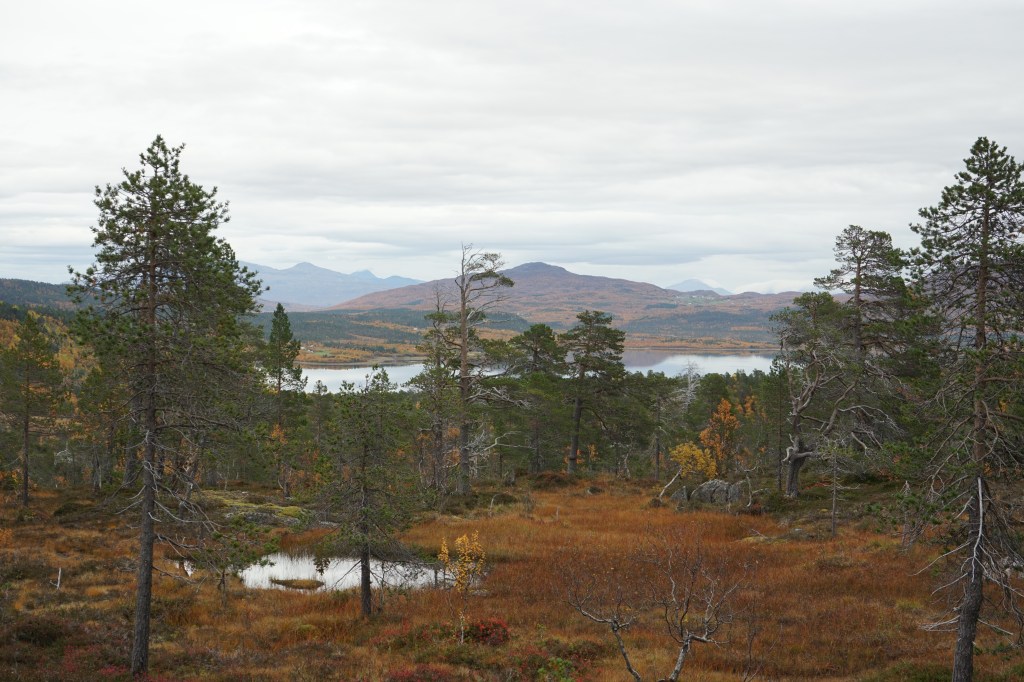
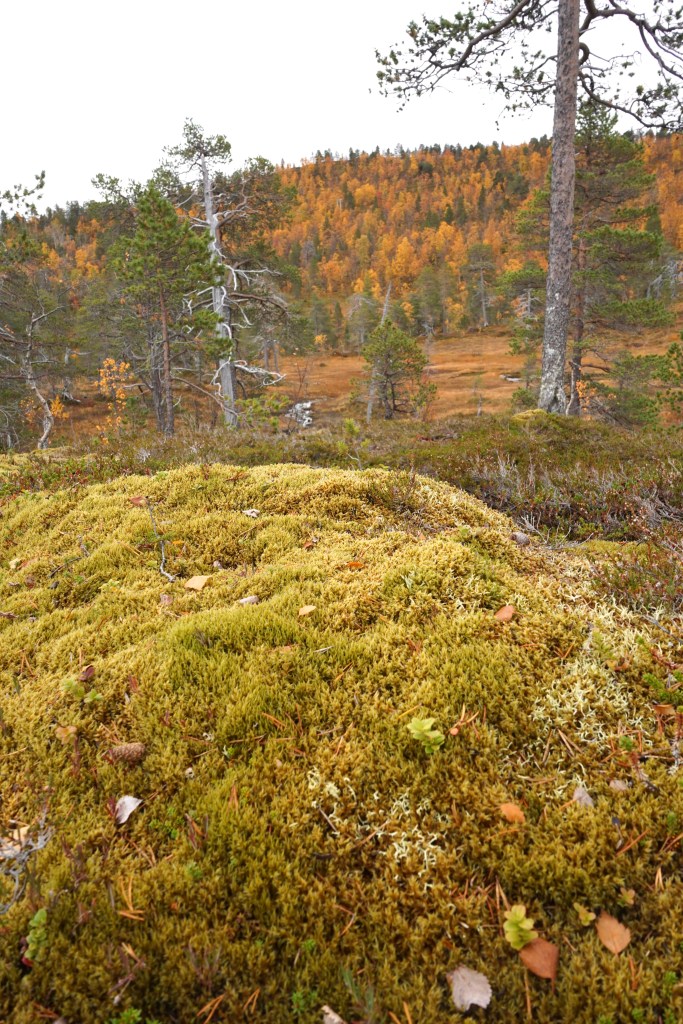
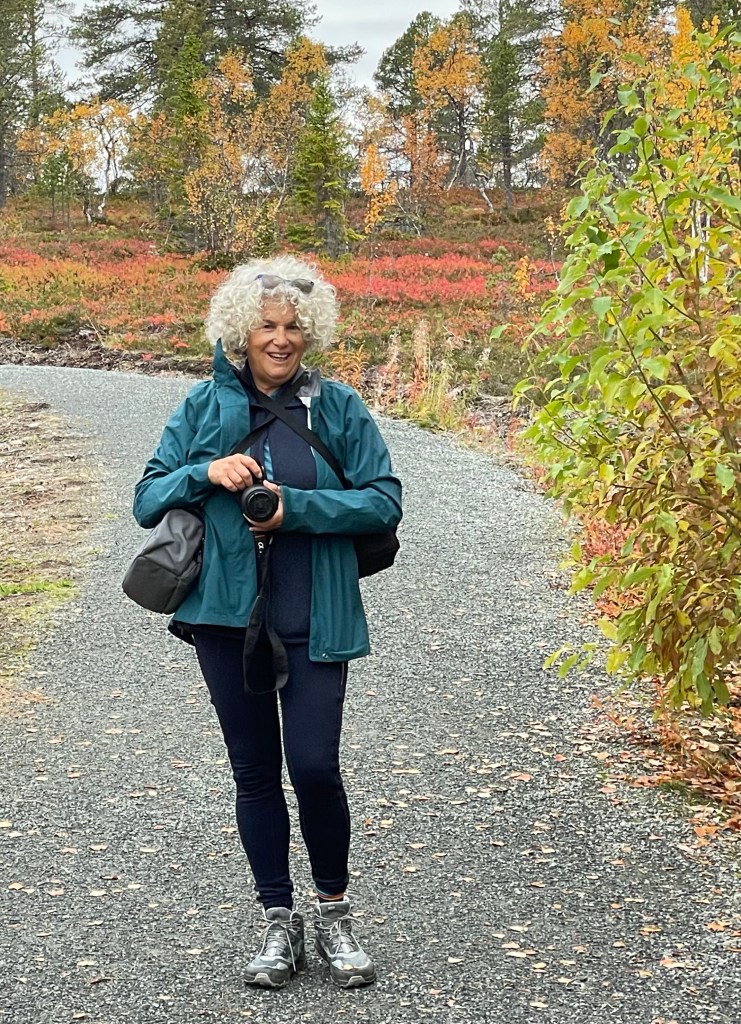
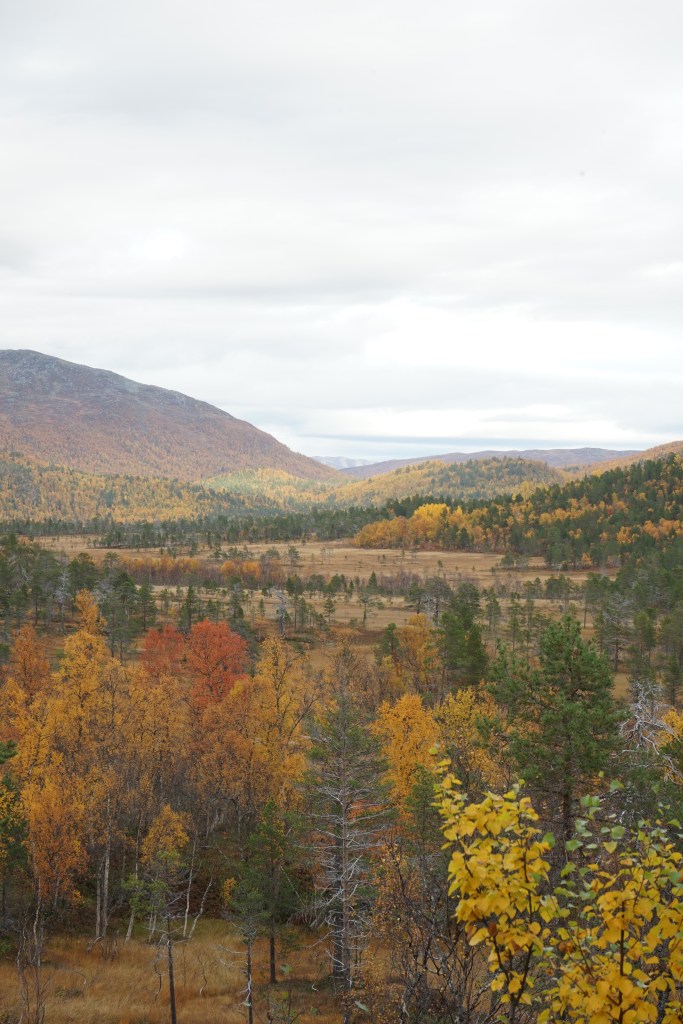
 True Love Adventures